



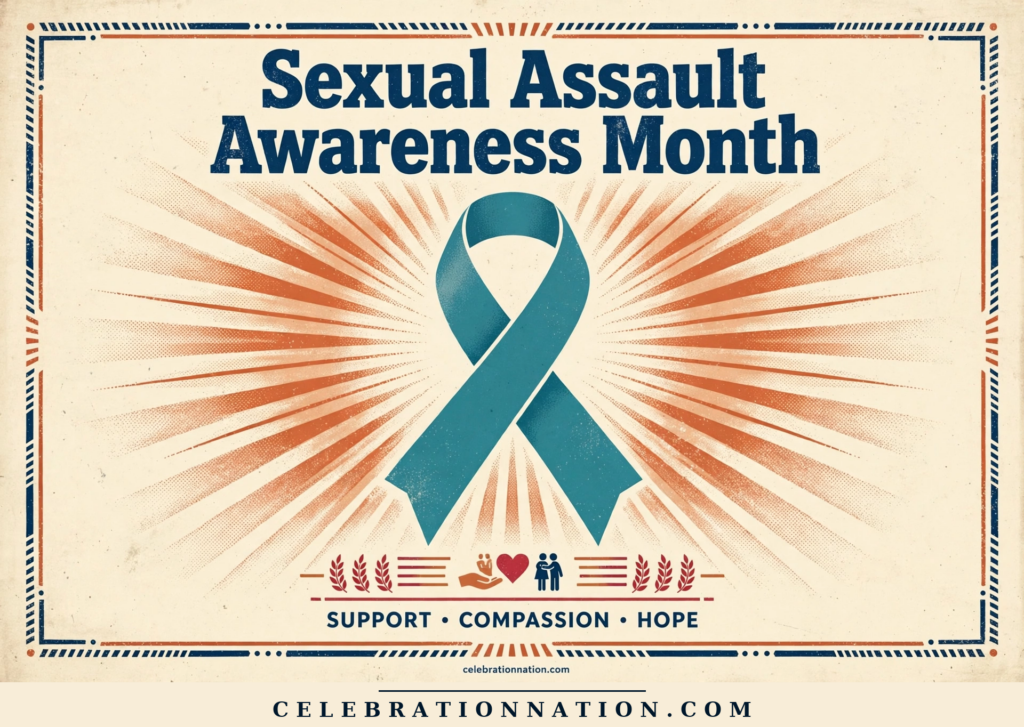
Sexual Assault Awareness Month
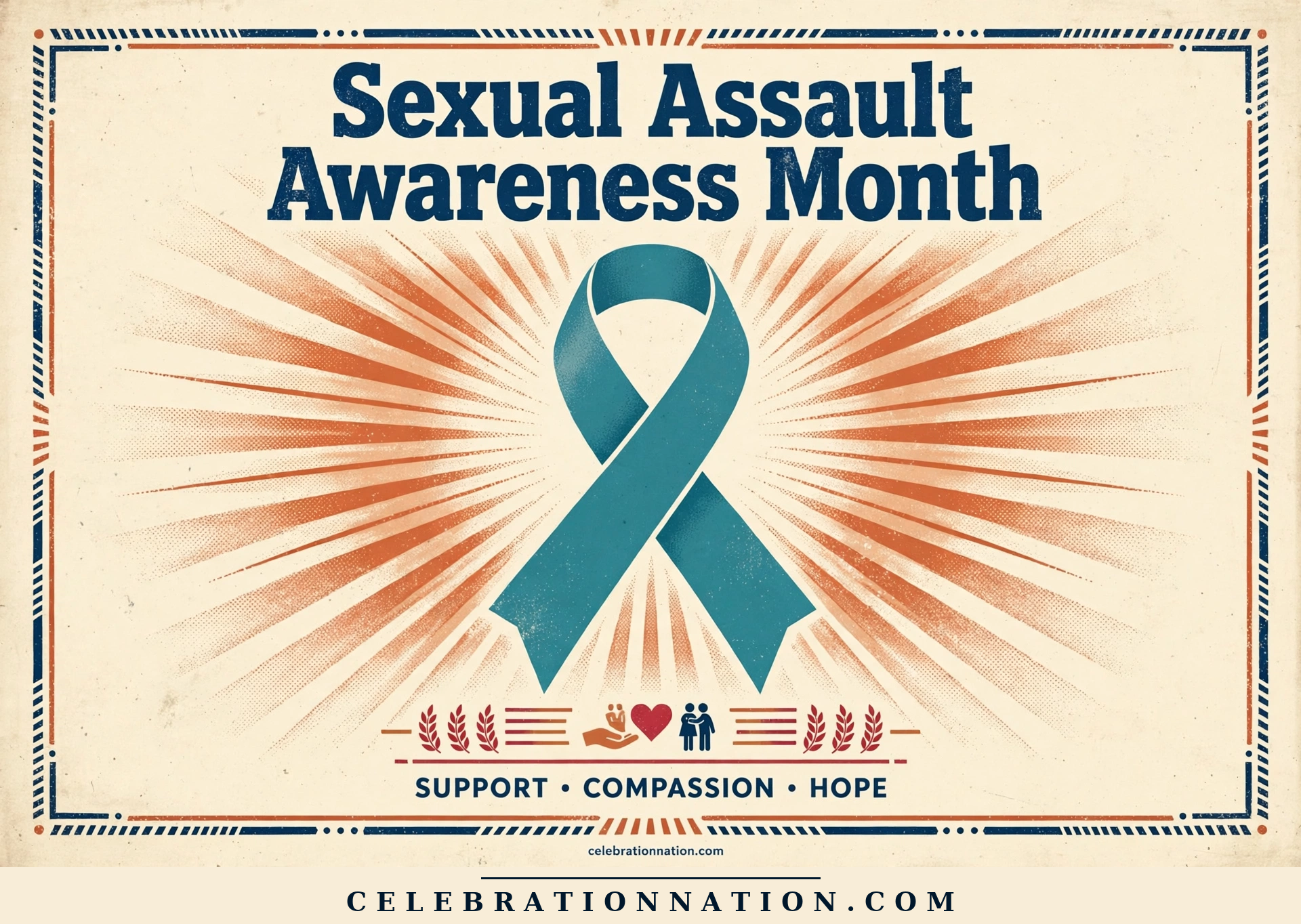
Sexual Assault Awareness Month isn't about diagnosis — it's about dignity. About showing up, showing support, and pushing for change.
- Roots
- Established in 2001 by the National Sexual Violence Resource Center
- Vibe
- A call for community engagement and support.
- Hashtag
- #SexualAssaultAwarenessMonth
Ways to celebrate
Small, doable ways to celebrate Sexual Assault Awareness Month.
- Share one reputable resource with your network.
- Donate to a patient-led organization working on sexual assault awareness.
- Check in on someone you know who's living with it.
- Book the screening or appointment you've been putting off.
- Listen more than you speak.
Fast facts
The story
Sexual Assault Awareness Month (SAAM) has been recognized every April since 2001, initiated by the National Sexual Violence Resource Center (NSVRC). The month serves as a vital opportunity for individuals and communities to engage in conversations about sexual violence, its impact, and how to prevent it. By raising awareness, SAAM aims to foster a culture of understanding and support for survivors.
Read the full story
Throughout April, various events take place across the country, including educational workshops, community outreach programs, and advocacy campaigns. These initiatives focus on promoting informed discussions about consent, healthy relationships, and the resources available for survivors. By participating, individuals can contribute to a larger movement toward ending sexual violence.
In addition to local events, social media plays a significant role in spreading awareness during SAAM. Organizations and individuals use platforms to share educational content, survivor stories, and resources. The teal ribbon, a symbol of support for survivors, is prominently featured throughout the month, encouraging everyone to wear it as a sign of solidarity.
Support for survivors is crucial, and many organizations provide hotlines, counseling, and legal assistance. Engaging with these resources not only helps individuals in need but also strengthens community ties. Sexual Assault Awareness Month reminds us that we all have a role to play in creating safer environments for everyone.
Worth knowing
Support Survivors
Offer a listening ear or resources.
Raise Your Voice
Advocate against sexual violence.
Educate Yourself
Learn about consent and prevention.
Get Involved
Join local organizations working for change.
Did you know?
Historical Context
The first Sexual Assault Awareness Month was established in 2001.
Global Reach
Sexual violence awareness is recognized worldwide.
Impact Statistics
Nearly half of women and more than 1 in 6 men experience contact sexual violence in their lifetimes.
Community Engagement
Local events can increase awareness and provide resources.
Survivor Support
Many organizations offer confidential support services.
Advocacy Efforts
Advocating for policy change can help protect vulnerable populations.
Cultural Sensitivity
Understanding cultural contexts is crucial in addressing sexual violence.
Around the world
Every culture celebrates a little differently.
- USUnited StatesVarious organizations promote awareness and provide resources.
- CACanadaInitiatives focus on prevention and survivor support.
- GBUnited KingdomAwareness campaigns aim to educate the public.
- AUAustraliaCommunity events address the issue of sexual violence.
- DEGermanySupport systems for survivors are strengthened.
- INIndiaEfforts are made to improve legal protections for women.
Coming up next
See the calendar

Celebrate every day, all year
Official gear from the people who track 1,700+ celebrations.
Browse the shop 2027 National Day Desk CalendarA new celebration every morning. Daily tear-off.
Never miss a reason to celebrate.
One quick morning email with today's celebrations, ideas and posters. Free, unsubscribe anytime.
🎉 You're on the list! Watch your inbox for The Daily Confetti.