


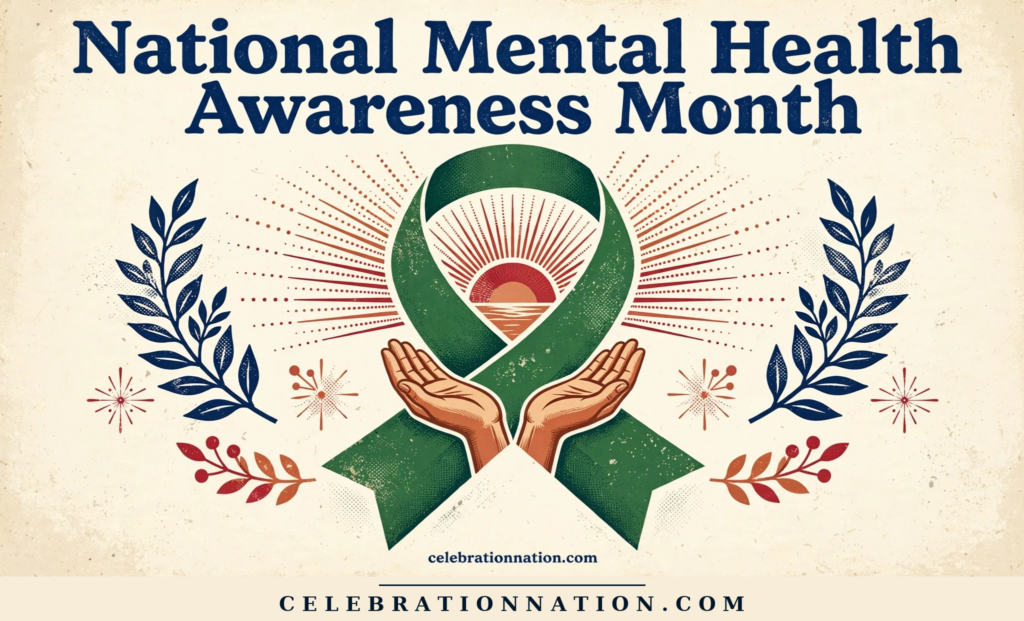
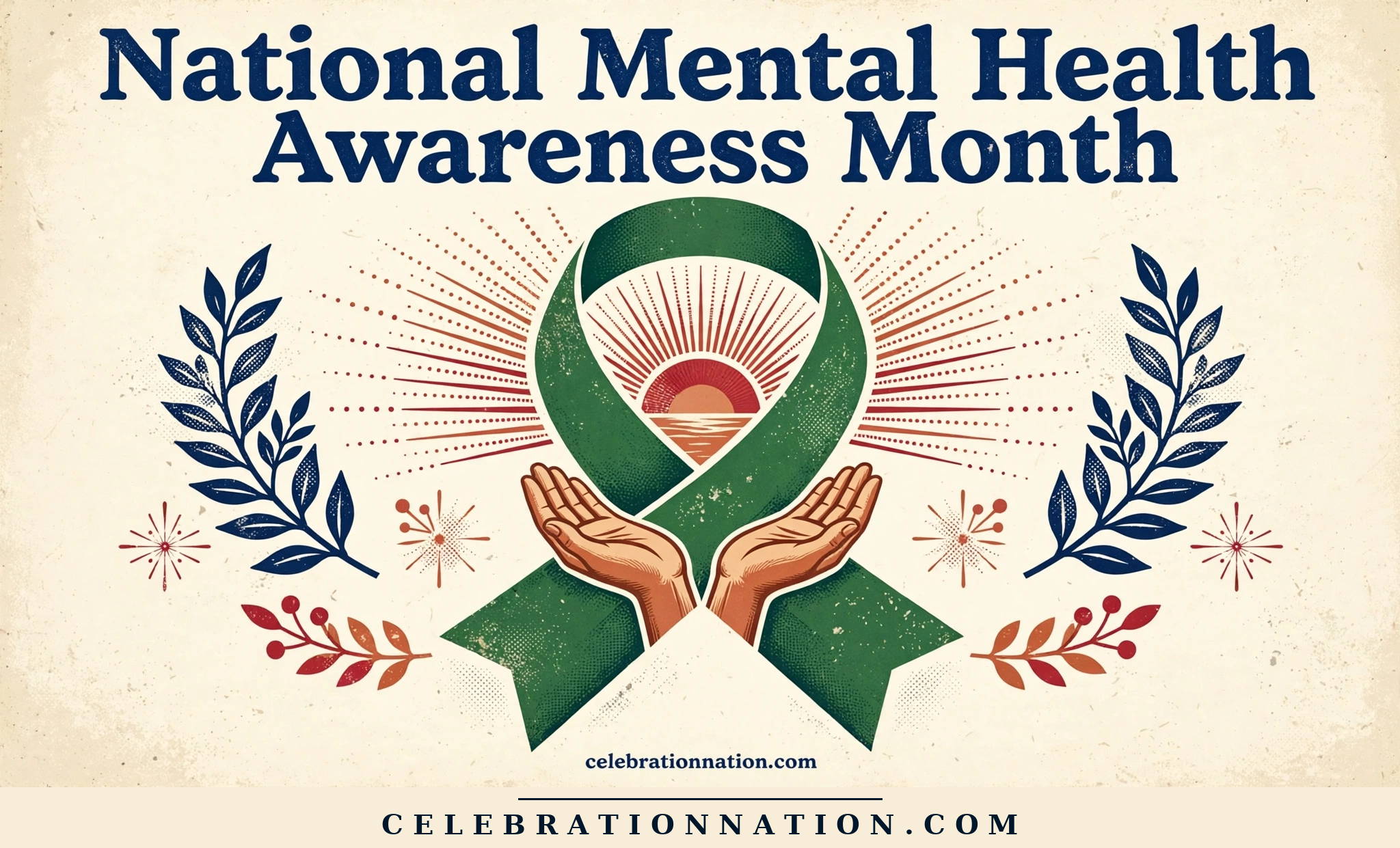
National Mental Health Awareness Month
National Mental Health Awareness Month is a hand extended — to the patients, caregivers, researchers, and families living with mental health awareness.
- Roots
- Founded by the Mental Health America organization
- Vibe
- Aiming to reduce stigma and promote understanding
- Hashtag
- #NationalMentalHealthAwarenessMonth
Ways to celebrate
Small, doable ways to celebrate National Mental Health Awareness Month.
- Share one reputable resource with your network.
- Donate to a patient-led organization working on mental health awareness.
- Check in on someone you know who's living with it.
- Book the screening or appointment you've been putting off.
- Listen more than you speak.
Fast facts
The story
National Mental Health Awareness Month began in 1949 as a way to educate the public and advocate for mental health issues. Each May, organizations across the United States join forces to raise awareness, share resources, and promote conversations regarding mental health. The observance aims to diminish the stigma associated with mental illnesses, helping those affected feel more accepted and understood.
Read the full story
The importance of mental health has gained significant attention in recent years, especially in light of challenges posed by the COVID-19 pandemic. Reports indicate a rise in anxiety, depression, and other mental health disorders among various demographics, highlighting the necessity for accessible mental health resources and support systems. Mental Health America plays a pivotal role in providing information and tools to navigate these issues.
Throughout May, various events and campaigns are organized to foster discussions about mental health. Schools, workplaces, and community organizations host workshops and seminars, while social media platforms are flooded with hashtags aimed at sharing personal stories and experiences. These initiatives encourage individuals to seek help and support, furthering the mission of understanding mental health.
As we observe National Mental Health Awareness Month, it’s crucial to remember that mental health is as important as physical health. By prioritizing mental well-being and encouraging open dialogue, we can create a more compassionate society. This May, let us come together to support one another and advocate for mental health resources in our communities.
Worth knowing
Understanding Mental Health
Explore the various aspects of mental health and its significance in daily life.
Start the Conversation
Encourage discussions about mental health in your community.
Educational Resources
Share valuable information and resources regarding mental health.
Support Systems
Connect with friends and family to build a support network.
Did you know?
Historical Significance
Mental Health Month has been observed since 1949.
Global Movement
Many countries participate in similar mental health awareness initiatives.
Youth Impact
Mental health issues affect children and adolescents significantly.
Workplace Awareness
Businesses are increasingly focusing on employee mental wellness.
Community Events
Various events are held throughout May to promote mental health resources.
Social Media Influence
Hashtags like #MentalHealthAwareness help spread information.
Support Groups
Support groups play a crucial role in mental health recovery.
Around the world
Every culture celebrates a little differently.
- USUnited StatesMental Health Awareness Month is recognized nationwide, encouraging discussions around mental health.
- CACanadaCanada observes Mental Health Week in May, parallel to the U.S. efforts.
- GBUnited KingdomIn the UK, Mental Health Awareness Week is celebrated to raise awareness.
- AUAustraliaAustralia also promotes mental health awareness through various initiatives.
- NZNew ZealandMental health campaigns are prevalent in New Zealand, focusing on well-being.
- DEGermanyGermany also runs initiatives to address mental health issues in society.
Coming up next
See the calendar

Celebrate every day, all year
Official gear from the people who track 1,700+ celebrations.
Browse the shop 2027 Wall Calendar, signed by Marlo AndersonSigned by the founder of National Day Calendar.
Never miss a reason to celebrate.
One quick morning email with today's celebrations, ideas and posters. Free, unsubscribe anytime.
🎉 You're on the list! Watch your inbox for The Daily Confetti.