



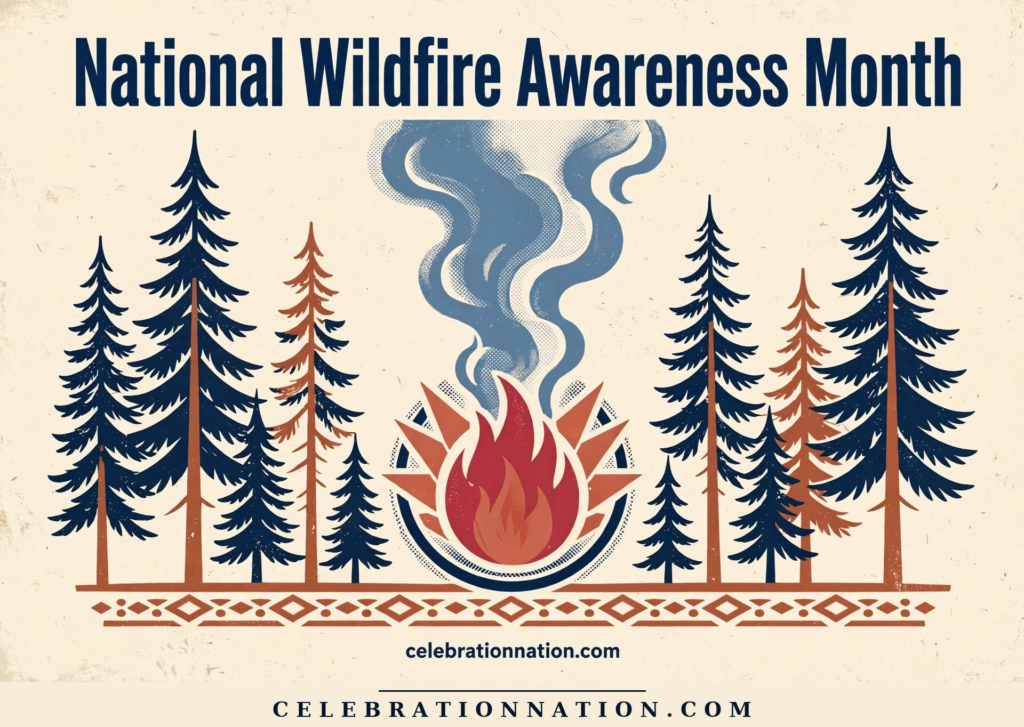
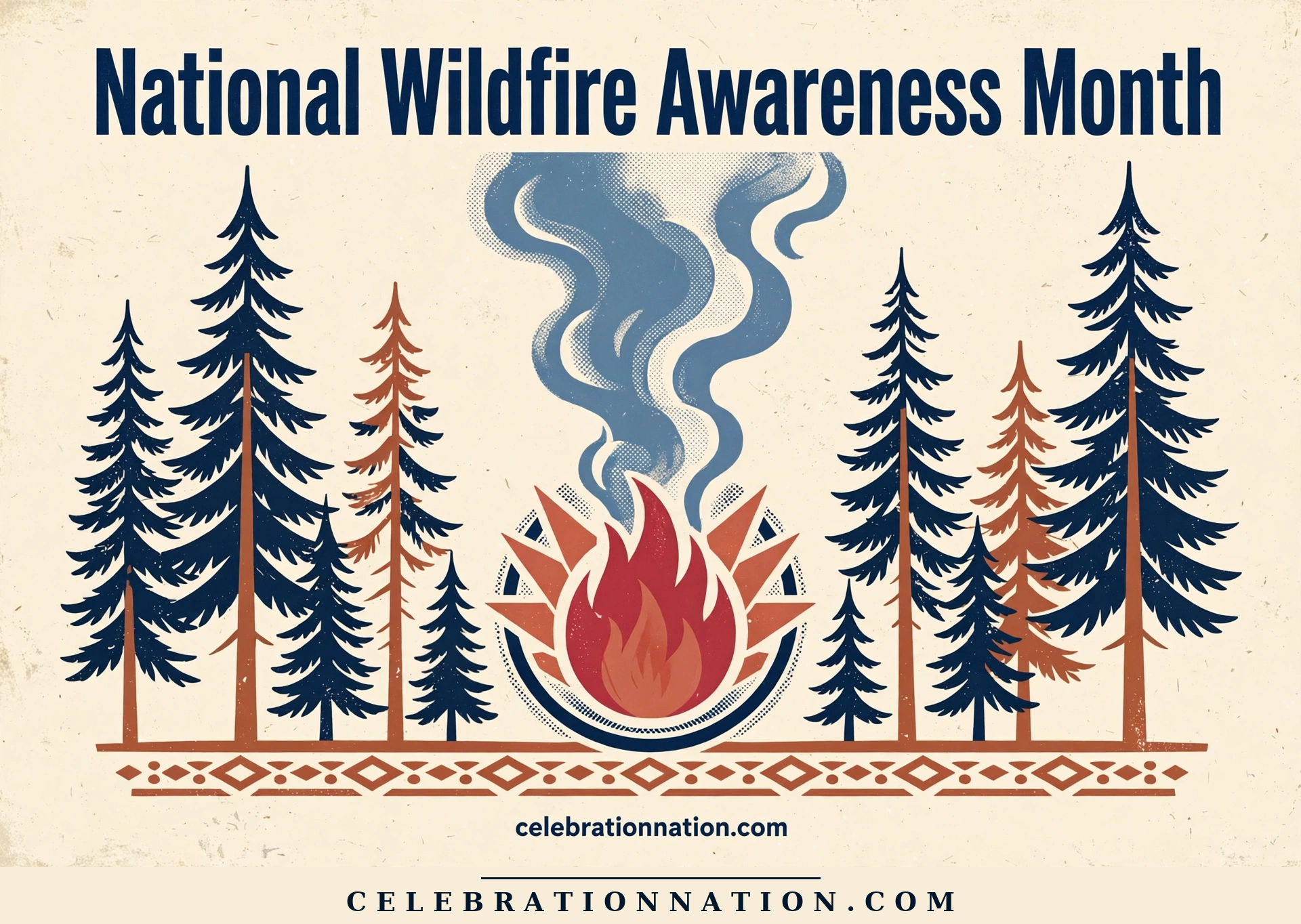
National Wildfire Awareness Month
On National Wildfire Awareness Month, we listen louder, learn more, and make sure no one feels invisible.
- Roots
- Declared in western states to boost wildfire prevention
- Vibe
- Community-focused and proactive awareness
- Hashtag
- #NationalWildfireAwarenessMonth
Ways to celebrate
Small, doable ways to celebrate National Wildfire Awareness Month.
- Share one reputable resource with your network.
- Donate to a patient-led organization working on wildfire awareness.
- Check in on someone you know who's living with it.
- Book the screening or appointment you've been putting off.
- Listen more than you speak.
Fast facts
The story
As the weather warms and the landscape dries, May marks National Wildfire Awareness Month, a time dedicated to educating the public about the dangers of wildfires and the importance of prevention strategies. The month-long observance, declared in a number of western states, promotes awareness and encourages communities to prepare for the wildfire season. Given the increasing frequency and intensity of wildfires across the United States, this initiative has become more vital than ever.
Read the full story
Wildfires can start from natural causes, such as lightning strikes, or human activities, including campfires left unattended, discarded cigarettes, and power lines. In 2021 alone, the U.S. experienced over 58,000 wildfires, resulting in over 7 million acres burned. The repercussions extend beyond the immediate destruction of property and landscapes; they also threaten air quality and biodiversity, impacting both human health and wildlife habitats. Education and preparedness are essential in mitigating these risks.
Many states have adopted proactive measures to reduce wildfire threats, including controlled burns and community engagement programs. For instance, California, which faces significant wildfire risks, has implemented statewide initiatives aimed at creating defensible spaces around homes and educating residents about fire-safe landscaping. During this month, communities are encouraged to participate in local workshops and outreach programs designed to foster a culture of wildfire awareness and prevention.
As we recognize National Wildfire Awareness Month, it is crucial to remember that fire safety is a shared responsibility. Individuals, families, and communities must work together to reduce the risk of wildfires through education, preparedness, and active participation in fire prevention efforts. By taking steps to increase awareness and understanding of fire safety, we can protect our homes, our loved ones, and the natural landscapes we cherish.
Worth knowing
Be Informed
Understand local wildfire risks and alerts.
Prepare Your Home
Create defensible space and firebreaks.
Family Safety
Develop and practice an evacuation plan.
Community Efforts
Participate in local fire prevention programs.
Did you know?
Human-Caused Fires
Humans cause an average of 68% of U.S. wildfires each year.
Firefighting History
The U.S. Forest Service was established in 1905.
Famous Wildfire
The Great Fire of 1910 burned 3 million acres.
Fire Season
Wildfire seasons start earlier due to climate change.
Fire Ecology
Some ecosystems rely on fire for regeneration.
2020 Fire Season
Wildfires burned over 10 million acres in the U.S. in 2020.
Firefighter Risks
Wildfire fighting is one of the most dangerous jobs.
Around the world
Every culture celebrates a little differently.
- USUnited StatesHome to some of the most intense wildfires.
- AUAustraliaFaces severe bushfire seasons annually.
- CACanadaExperiences significant wildfire activity each summer.
- ESSpainWildfires threaten Mediterranean regions.
- ZASouth AfricaWildfires pose risks during dry seasons.
- BRBrazilDeforestation increases wildfire risks in the Amazon.
Coming up next
See the calendar

Celebrate every day, all year
Official gear from the people who track 1,700+ celebrations.
Browse the shop National Day Celebration Card GameA party in a box, any day of the year.
Never miss a reason to celebrate.
One quick morning email with today's celebrations, ideas and posters. Free, unsubscribe anytime.
🎉 You're on the list! Watch your inbox for The Daily Confetti.