
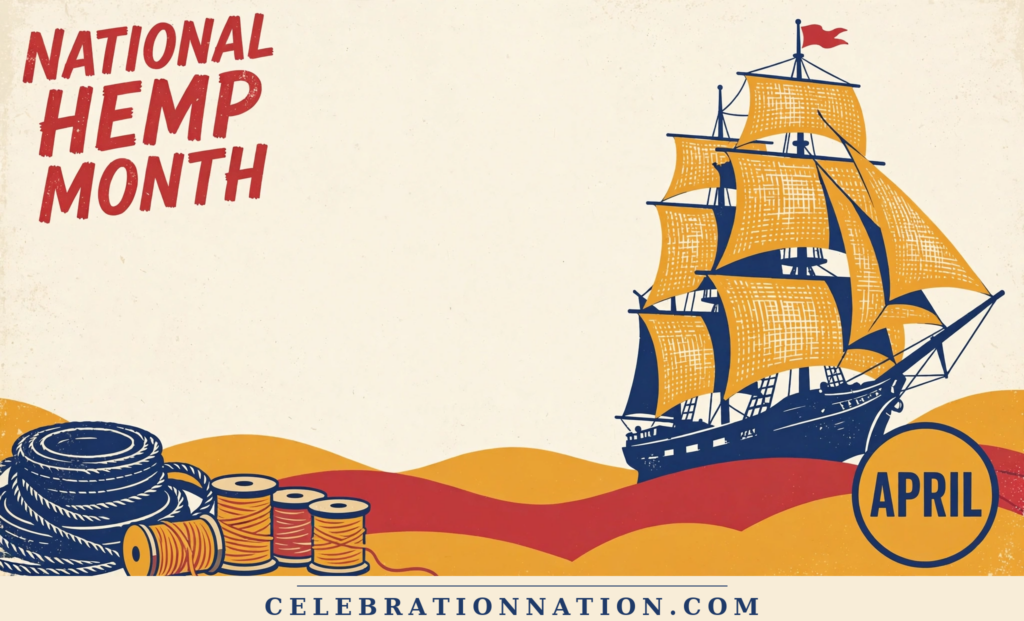
National Hemp Month
July is a time to recognize the importance of hemp in our lives and its potential for a sustainable future, let's explore its many facets together.
- Roots
- Founded by cbdMD and first observed in 2020.
- Vibe
- A growing movement towards sustainability and eco-consciousness.
- Hashtag
- #NationalHempMonth
Fast facts
The story
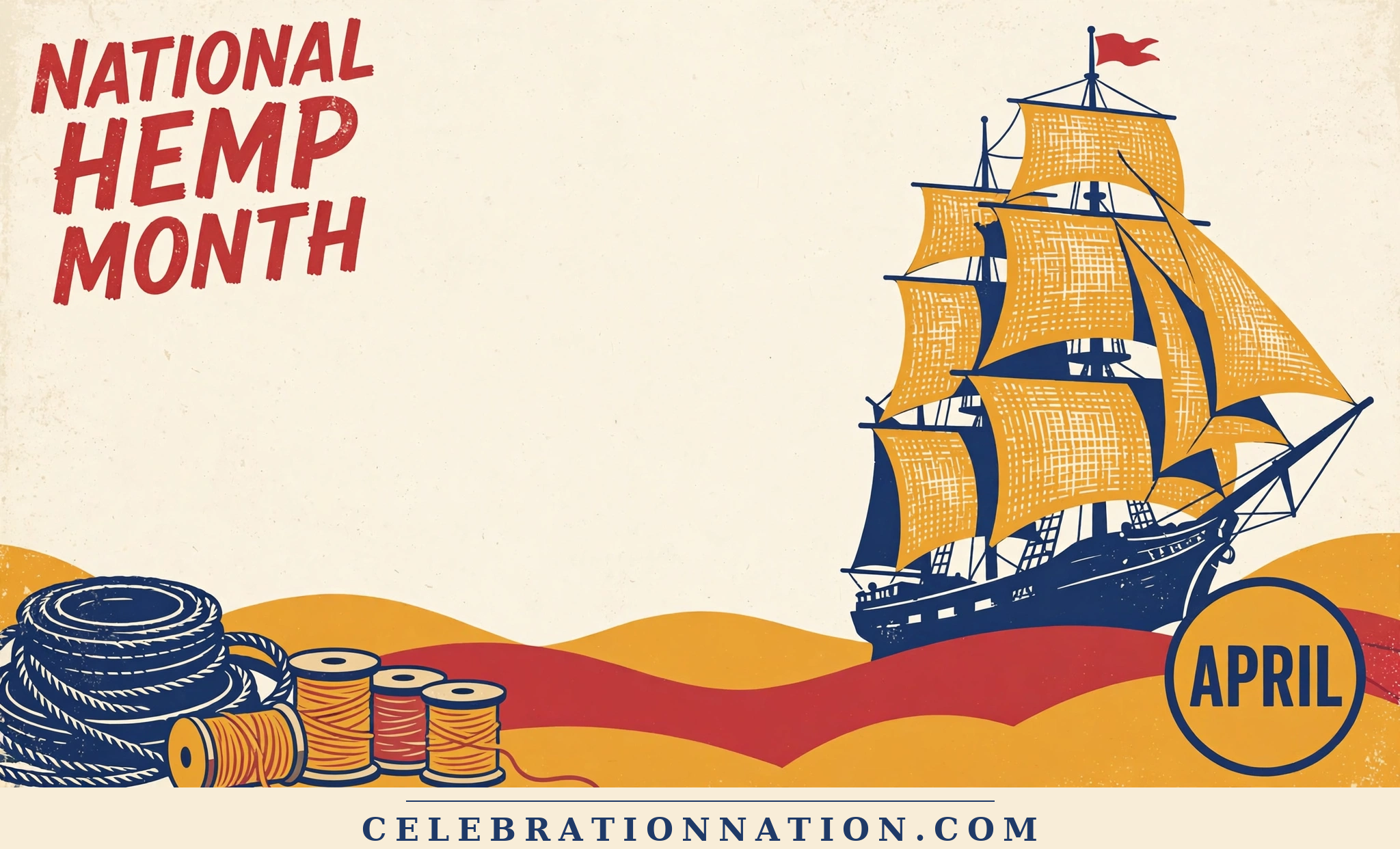
Hemp has long been a staple crop in the United States, with its use tracing back to colonial times. Early American farmers grew hemp for various purposes, including rope, clothing, and even paper. However, the crop faced significant legal challenges throughout the 20th century, leading to its decline. In recent years, the legalization of hemp under the 2018 Farm Bill has sparked a resurgence in its cultivation and use. As we observe National Hemp Month, we celebrate this remarkable comeback.
Read the full story
Hemp is recognized for its sustainability benefits, as it grows quickly and requires fewer pesticides than many traditional crops. It can also improve soil health and reduce carbon emissions. This month, a variety of organizations and activists are promoting the environmental advantages of hemp, encouraging both consumers and producers to consider it as a viable alternative to more resource-intensive plants. From biodegradable plastics to eco-friendly textiles, hemp is paving the way for a greener future.
As we delve deeper into the realm of hemp, it’s essential to acknowledge the cultural significance it holds for many communities. George Washington and Thomas Jefferson both cultivated hemp, continuing a tradition from colonial times. By honoring these traditions, we can foster a broader understanding of hemp's role not just as a crop, but as a symbol of resilience and innovation.
Celebrating National Hemp Month invites us to explore the diverse applications of hemp in our daily lives. From hemp-based foods rich in omega-3 fatty acids to innovative building materials, the possibilities are endless. As more Americans embrace the benefits of hemp, we can contribute to a sustainable future while honoring a plant that has been intertwined with our history for millennia.
Worth knowing
What is Hemp?
Hemp is a variety of the Cannabis sativa plant species, specifically bred for industrial use. It is non-psychoactive and offers numerous applications.
Hemp in Textiles
Hemp has been used for centuries to make textiles. Its fibers are strong, durable, and biodegradable, making it an excellent alternative to cotton.
Sustainable Energy
Hemp can produce biofuels that are renewable and environmentally friendly. Its potential in the energy sector is being researched and developed.
Nutritional Benefits
Hemp seeds are packed with protein, essential fatty acids, and vitamins. They can be enjoyed in various dishes, from smoothies to salads.
Did you know?
Historical Use
Hemp has been used for over 10,000 years, making it one of the oldest cultivated plants.
Economic Impact
Legal advancements are changing how people view and access hemp.
Textile Innovation
Hemp fibers are strong, durable, and biodegradable.
Carbon Sequestration
As a crop, hemp helps clean pollutants from the soil.
Versatile Crop
Hemp can be used to create paper, building materials, biofuels, and even food.
Legal Status
Hemp was federally legalized in the U.S. in December 2018, allowing farmers to cultivate it legally.
Culinary Uses
Hemp seeds are a superfood, rich in protein, fiber, and essential fatty acids.
Around the world
Every culture celebrates a little differently.
- USUnited StatesThe U.S. is one of the leading producers of hemp, especially after the 2018 legalization.
- CACanadaCanada has been a pioneer in the hemp industry, cultivating it legally since the late 1990s.
- GBUnited KingdomThe UK has seen a resurgence in hemp farming, focusing on sustainable practices.
- DEGermanyGermany is known for its advanced research in hemp applications, particularly in textiles.
- AUAustraliaAustralia is increasingly adopting hemp for both food and textile industries.
- NZNew ZealandNew Zealand promotes hemp as a sustainable crop, benefiting from its favorable growing conditions.
Coming up next
See the calendar
Celebrate every day, all year
Official gear from the people who track 1,700+ celebrations.
Browse the shop 2027 National Day Wall CalendarGet the 2026 edition free. 1,700+ observances.
Never miss a reason to celebrate.
One quick morning email with today's celebrations, ideas and posters. Free, unsubscribe anytime.
🎉 You're on the list! Watch your inbox for The Daily Confetti.