




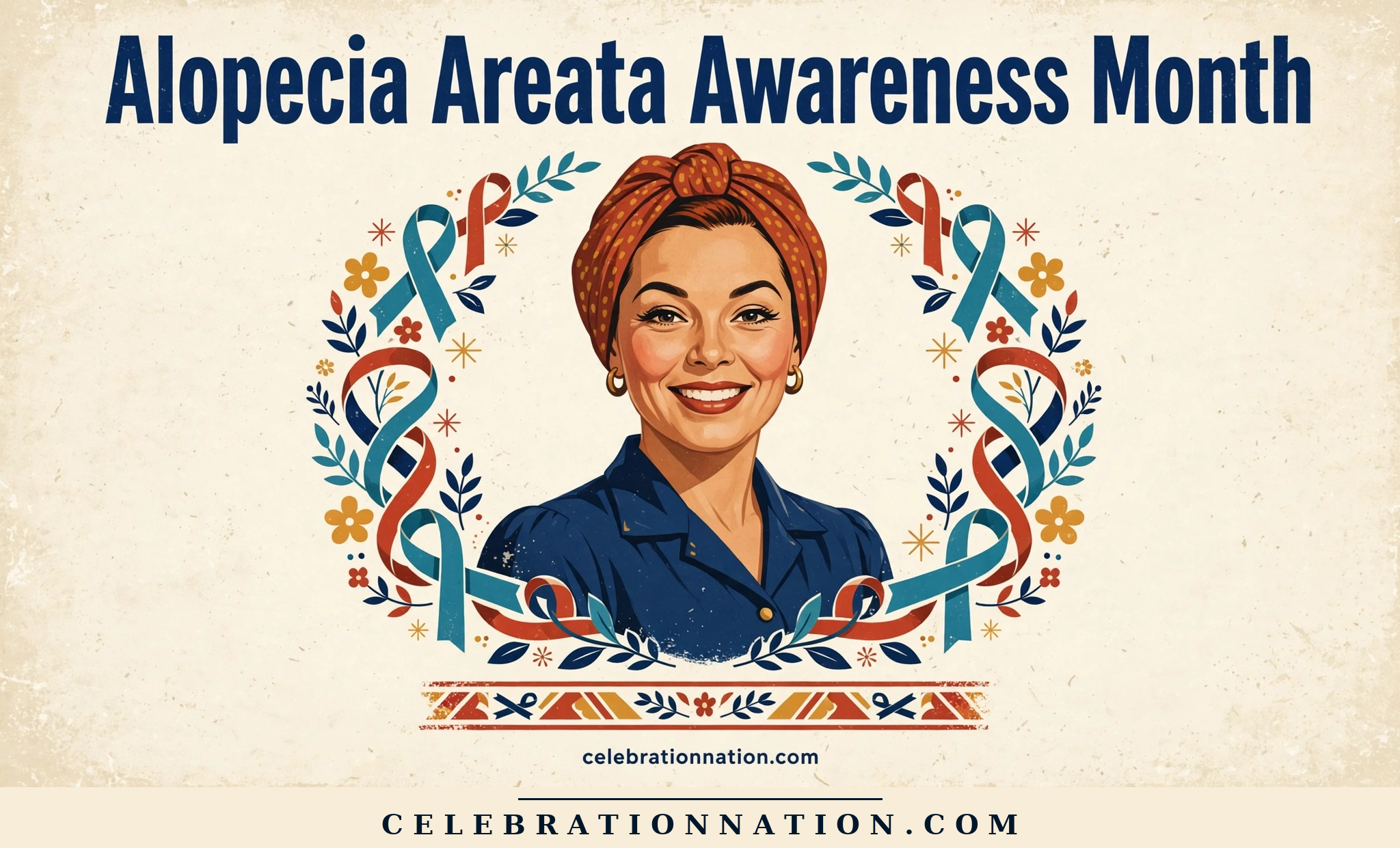
Alopecia Areata Awareness Month
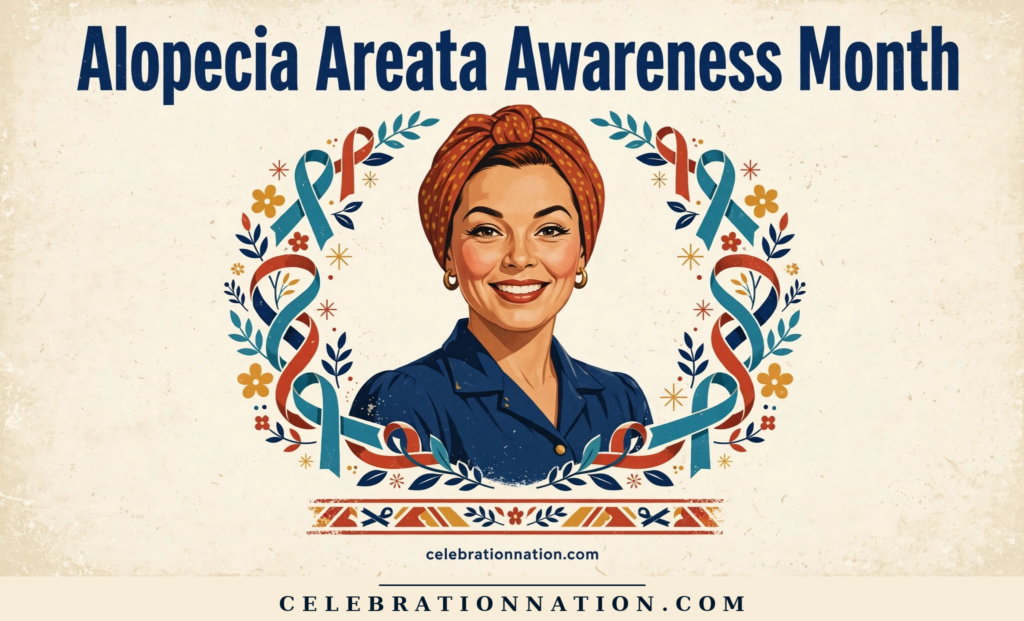
This month, we're shining a light on alopecia areata awareness and the importance of supporting those affected by the condition.
- Roots
- National Alopecia Areata Foundation
- Vibe
- Supportive and informative
- Hashtag
- #AlopeciaAreataAwarenessMonth
Fast facts
The story
Alopecia areata is an autoimmune disease that causes the body's immune system to attack the hair follicles, resulting in hair loss. The condition can affect anyone, regardless of age or gender, and its exact cause is still unknown. Researchers believe that a combination of genetic and environmental factors may contribute to the development of alopecia areata.
Read the full story
The symptoms of alopecia areata can vary from person to person, with some people experiencing a small patch of hair loss, while others may lose all of their hair. The condition can be unpredictable, with hair loss occurring suddenly and without warning. In some cases, the hair may grow back on its own, while in other cases, it may not.
The emotional toll of alopecia areata should not be underestimated, living with hair loss can be challenging and affect a person's self-esteem and confidence. It's essential to provide support and understanding to those affected by the condition, and to raise awareness about alopecia areata to help reduce stigma and promote acceptance.
In addition to its physical effects, alopecia areata can also have a significant impact on a person's mental health. The condition can cause feelings of anxiety, depression, and isolation, which can be debilitating and affect a person's overall well-being. It's crucial to provide emotional support and understanding to those affected by alopecia areata, and to encourage them to seek professional help if needed.
Worth knowing
Alopecia Areata Facts
Learn about the symptoms and effects of alopecia areata.
Alopecia Areata Resources
Find organizations and support groups for those with alopecia areata.
Fundraising Events
Participate in walks, runs, and other events to support alopecia areata research.
Alopecia Areata Awareness
Share your story and help raise awareness about the condition.
Did you know?
Alopecia Areata Prevalence
Alopecia areata affects approximately 2% of the global population.
Alopecia Areata Symptoms
The condition can cause hair loss on the scalp, face, and body.
Alopecia Areata Treatment
There is no cure for alopecia areata, but treatment options are available to help manage the condition.
Alopecia Areata Research
Researchers are working to develop new treatments and therapies for alopecia areata.
Alopecia Areata Awareness Month
September is recognized as Alopecia Areata Awareness Month.
Alopecia Areata Support Groups
Many organizations provide support and resources for those affected by alopecia areata.
Alopecia Areata Mental Health
The condition can have a significant impact on a person's mental health and well-being.
Around the world
Every culture celebrates a little differently.
- USAlopecia Areata in the USThe US has a high prevalence of alopecia areata, with approximately 6.8 million people affected.
- GBAlopecia Areata in EuropeAlopecia areata affects millions of people in Europe, with the UK and Germany having the highest prevalence.
- AUAlopecia Areata in AustraliaAustralia has a significant number of people affected by alopecia areata, with many organizations providing support and resources.
- CAAlopecia Areata in CanadaCanada has a growing number of people affected by alopecia areata, with many organizations working to raise awareness and support research.
- JPAlopecia Areata in AsiaAlopecia areata is a significant health concern in many Asian countries, with Japan and China having a high prevalence.
- ZAAlopecia Areata in AfricaAlopecia areata affects millions of people in Africa, with many countries lacking access to adequate healthcare and resources.
Coming up next
See the calendar


Celebrate every day, all year
Official gear from the people who track 1,700+ celebrations.
Browse the shop 2027 Wall Calendar, signed by Marlo AndersonSigned by the founder of National Day Calendar.
Never miss a reason to celebrate.
One quick morning email with today's celebrations, ideas and posters. Free, unsubscribe anytime.
🎉 You're on the list! Watch your inbox for The Daily Confetti.