




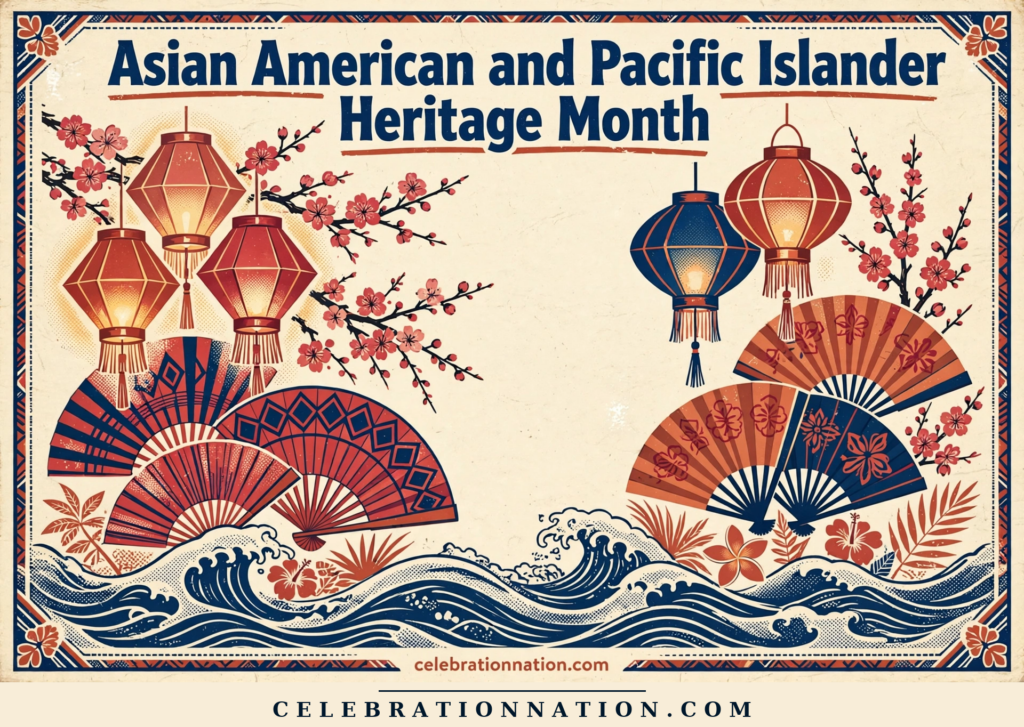
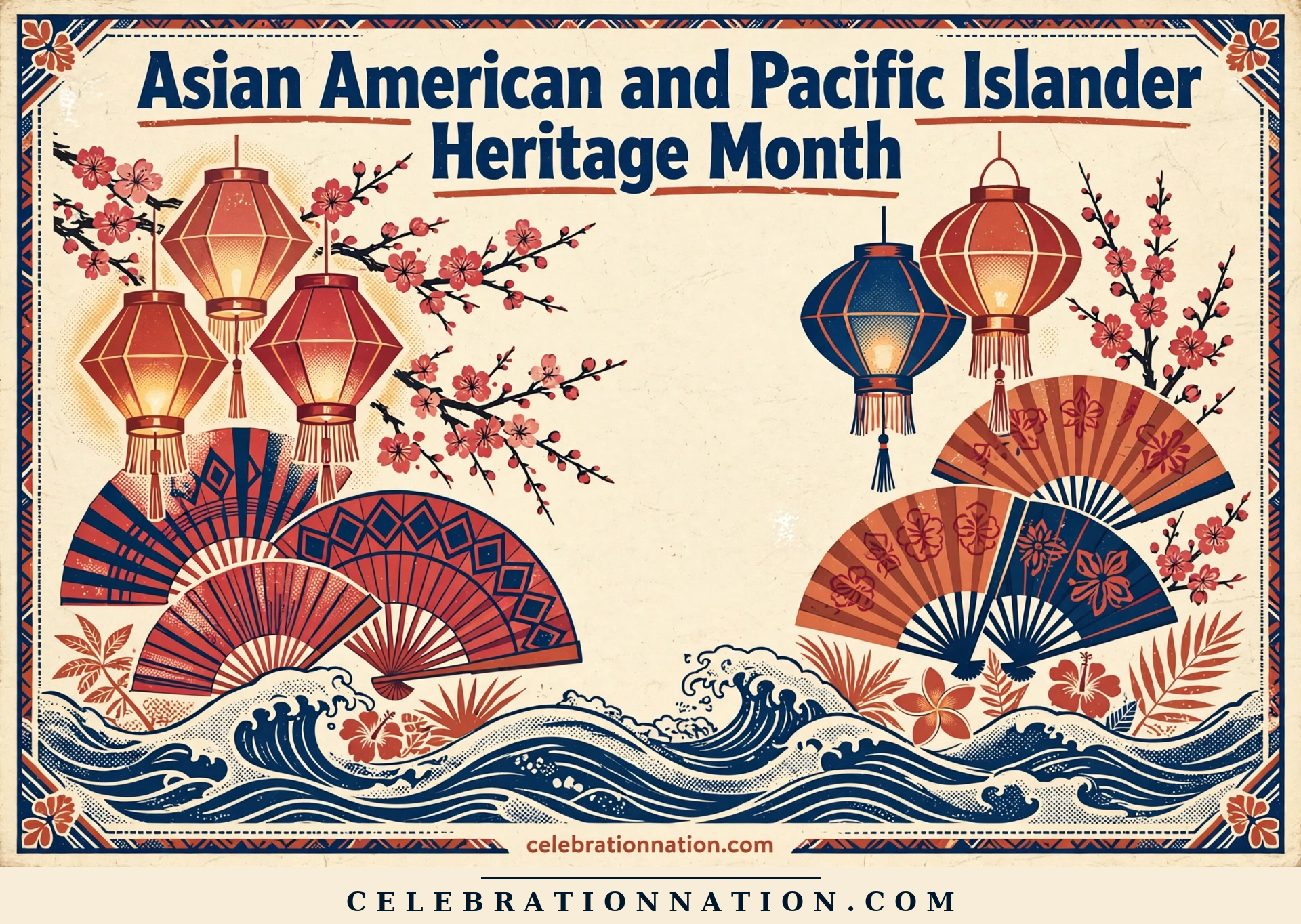
Asian American and Pacific Islander Heritage Month
On Asian American and Pacific Islander Heritage Month, we stretch our view past the state line and remember how connected all of this really is.
- Roots
- Began in 1978 as Asian Pacific American Heritage Week
- Vibe
- A time for reflection, celebration, and education
- Hashtag
- #AsianAmericanAndPacificIslanderHeritageMonth
Ways to celebrate
Small, doable ways to celebrate Asian American and Pacific Islander Heritage Month.
- Read or watch something made outside the U.S. today.
- Cook a dish from a country you've been curious about.
- Donate to an international organization doing good work.
- Learn one word in a language you don't speak.
- Send a message to a friend who lives elsewhere.
Fast facts
The story
Asian American and Pacific Islander Heritage Month has its roots in the 1970s, when Congress passed a 1978 joint resolution and President Jimmy Carter proclaimed the first Asian Pacific American Heritage Week, held the week of May 4, 1979. This was later expanded to the entire month of May in 1990. The month was chosen to commemorate the arrival of the first Japanese immigrants to the United States on May 7, 1843, and to honor the contributions of Chinese laborers who helped build the transcontinental railroad, completed in May 1869.
Read the full story
Throughout the month, numerous events and programs take place across the country, showcasing the rich diversity of AAPI cultures. From traditional music and dance performances to art exhibitions and food festivals, communities come together to celebrate their heritage. Schools often incorporate lessons about AAPI history, ensuring that younger generations understand the significance of these contributions to American culture.
A strong sense of community and shared experience defines the AAPI narrative, one that spans across multiple cultures, languages, and traditions. Celebrating this month gives us an opportunity to acknowledge the challenges faced by these communities, including discrimination and underrepresentation. It also highlights the resilience and achievements of AAPI individuals who have shaped the American landscape in various fields such as arts, politics, business, and science.
As we engage in celebrations this May, let us remember that the stories of Asian Americans and Pacific Islanders are integral to the larger narrative of the United States. By sharing these stories and participating in cultural events, we create a more inclusive society that values diversity and promotes understanding among all its members.
Worth knowing
Cultural Festivals
Many cities host festivals featuring traditional music, dance, and food from AAPI cultures. Participating in these events is a great way to experience and appreciate the richness of AAPI heritage.
Literary Exploration
Reading books by AAPI authors or about AAPI history can provide insight into the diverse experiences within these communities. It’s a wonderful way to deepen your understanding.
Culinary Delights
Cooking and sharing traditional AAPI dishes can be a fun and delicious way to celebrate this month. Explore recipes from different AAPI cultures with family and friends.
Community Discussions
Engaging in conversations about AAPI issues and contributions can help raise awareness and foster understanding. Consider hosting a discussion group or attending one in your community.
Did you know?
AAPI Population
AAPI communities in the U.S. trace their heritage to dozens of countries across Asia and the Pacific Islands.
Historical Figures
Prominent figures like Dalip Singh Saund, the first Indian American elected to Congress, highlight AAPI political contributions.
Cultural Influence
AAPI arts, including film and literature, have gained significant recognition and awards.
Diverse Languages
AAPI communities in the U.S. speak many different languages, reflecting their diverse origins.
Economic Impact
AAPI-owned businesses contribute to communities and industries across the U.S. economy.
Higher Education
AAPI students consistently achieve high educational attainment rates, contributing to various fields.
Grassroots Activism
AAPI communities have been at the forefront of social justice movements, advocating for equity and representation.
Around the world
Every culture celebrates a little differently.
- JPJapanJapanese Americans have significantly influenced U.S. culture, from cuisine to arts.
- CNChinaChinese immigrants played a crucial role in building the American West.
- INIndiaIndian Americans are one of the fastest-growing immigrant groups in the U.S.
- PHPhilippinesFilipino Americans are known for their contributions in healthcare and the arts.
- KRKoreaKorean Americans have established vibrant communities across the U.S.
- VUVietnamVietnamese Americans have enriched American culture with their cuisine and traditions.
Coming up next
See the calendar

Celebrate every day, all year
Official gear from the people who track 1,700+ celebrations.
Browse the shop 2027 Wall + Desk Calendar BundleCelebrate every day at home and at work.
Never miss a reason to celebrate.
One quick morning email with today's celebrations, ideas and posters. Free, unsubscribe anytime.
🎉 You're on the list! Watch your inbox for The Daily Confetti.