



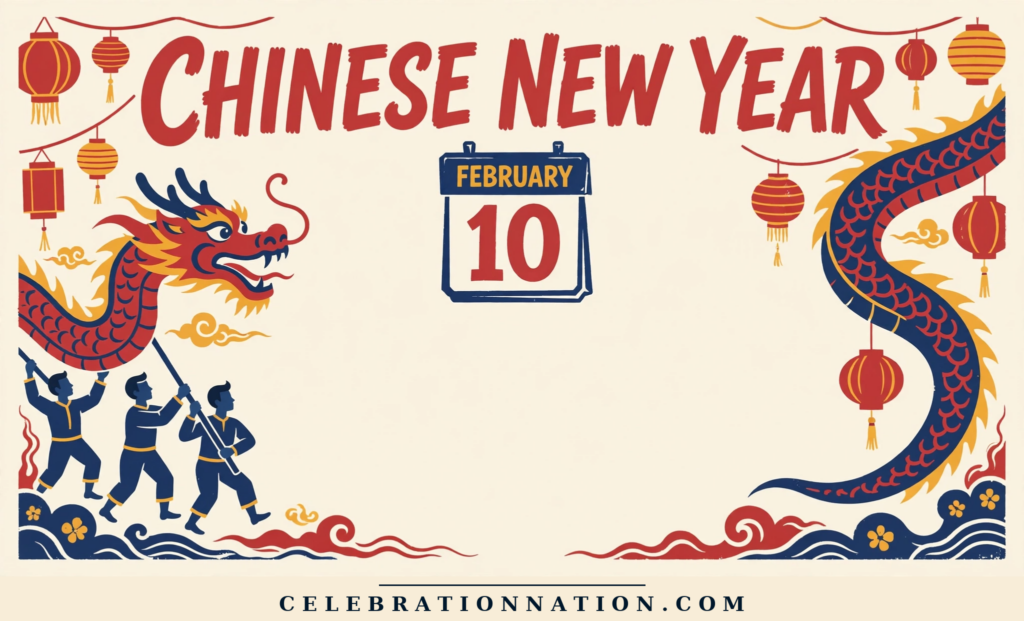
Chinese New Year
Chinese New Year is a time for family reunions and cultural celebration.
- Roots
- The festival dates back to the Shang Dynasty (1600–1046 BC).
- Vibe
- Family-oriented, vibrant, and filled with hope.
- Hashtag
- #ChineseNewYear
Fast facts
The story
Chinese New Year, also known as the Spring Festival, is the most important traditional holiday for Chinese communities worldwide. It typically falls between January 21 and February 21, depending on the lunar calendar. The celebrations last for 15 days, culminating in the Lantern Festival. Families gather to honor ancestors, enjoy meals, and participate in various cultural activities.
Read the full story
The roots of this festival trace back to the Shang Dynasty, when sacrificial ceremonies honored gods at the beginning of the year and welcomed the coming of spring. Each year is associated with one of the 12 animals in the Chinese zodiac, each with its own symbolism and traits.
During the festivities, families partake in rituals to ensure good luck and prosperity for the coming year. They typically clean their homes to sweep away misfortune and decorate with red, a color that symbolizes happiness and good luck. One of the most beloved traditions is the giving of red envelopes, or hongbao, containing money, which are exchanged among family and friends. This practice is intended to pass on wealth and blessings.
Chinese New Year is not only celebrated in China but also in many countries with significant Chinese populations, including the United States. Major cities like San Francisco, New York, and Los Angeles host grand parades featuring lion dances, fireworks, and cultural performances. As communities come together to celebrate, they share their rich heritage and traditions, fostering a deeper understanding and appreciation of this vibrant holiday.
Worth knowing
Red Envelopes
In Chinese culture, red envelopes filled with money are exchanged during the New Year to symbolize good luck and prosperity. They are often given to children and younger family members.
The Dragon Dance
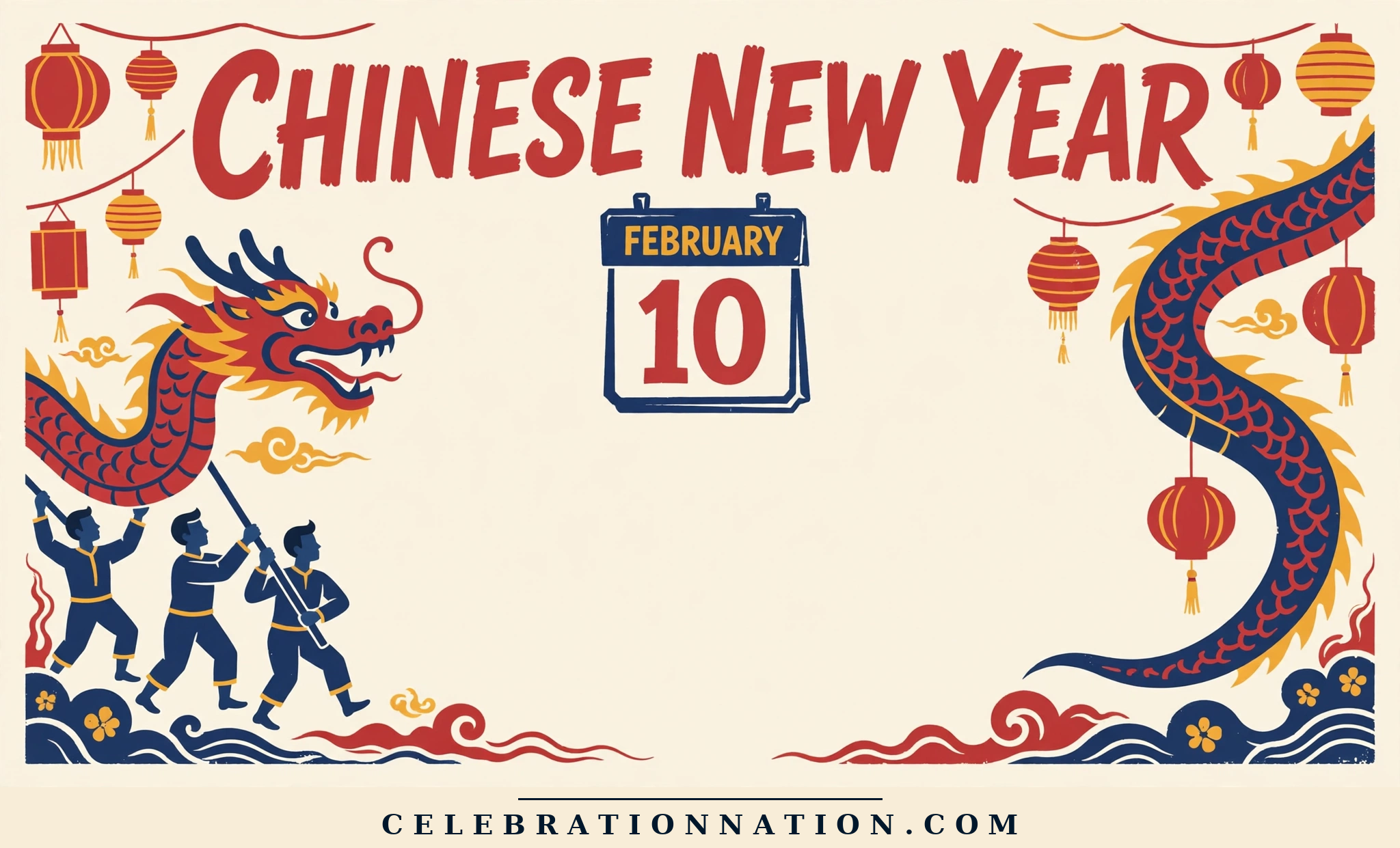
The dragon dance is a traditional performance during Chinese New Year, symbolizing strength and good luck. It is often performed in parades, accompanied by loud drums and cymbals.
Dumplings
Dumplings are a staple of Chinese New Year meals, representing wealth and prosperity. Families often gather to make and eat dumplings together, strengthening family bonds during the holiday.
Lantern Festival
The Lantern Festival marks the end of Chinese New Year celebrations. People light and release lanterns into the sky, symbolizing the letting go of the past and welcoming new beginnings.
Did you know?
Lunar Calendar
Chinese New Year is based on the lunar calendar, which differs from the Gregorian calendar used in most of the world.
Family Reunion
It is the largest annual human migration in the world, as millions travel home to be with family.
Cleaning Ritual
Cleaning the house before the New Year is believed to sweep away bad luck.
Firecrackers
Firecrackers are set off to scare away evil spirits and bring good luck.
Symbol of Wealth
The color red is associated with good fortune and wealth in Chinese culture.
Cultural Significance
Each year of the zodiac carries its own unique traits and characteristics.
Lanterns
Lanterns are lit to symbolize the letting go of the past and the welcoming of new beginnings.
Around the world
Every culture celebrates a little differently.
- CNChinaThe birthplace of Chinese New Year, where traditions and customs are deeply rooted.
- HKHong KongFamous for its spectacular fireworks and vibrant street celebrations.
- TWTaiwanKnown for its festive markets and family-oriented celebrations.
- USUnited StatesMajor cities host parades and events celebrating Chinese culture.
- SGSingaporeRenowned for its elaborate light displays and cultural performances.
- MOMacauCelebrates with unique traditions, parades, and fireworks.
Coming up next
See the calendar
Celebrate every day, all year
Official gear from the people who track 1,700+ celebrations.
Browse the shop 2027 Wall Calendar, signed by Marlo AndersonSigned by the founder of National Day Calendar.
Never miss a reason to celebrate.
One quick morning email with today's celebrations, ideas and posters. Free, unsubscribe anytime.
🎉 You're on the list! Watch your inbox for The Daily Confetti.