




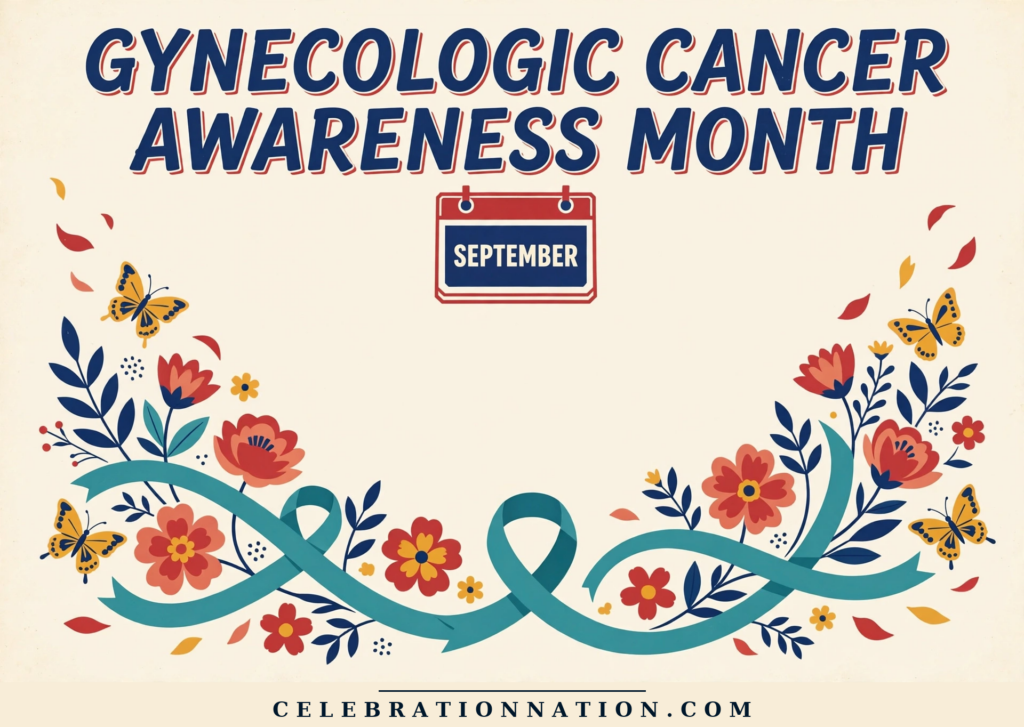
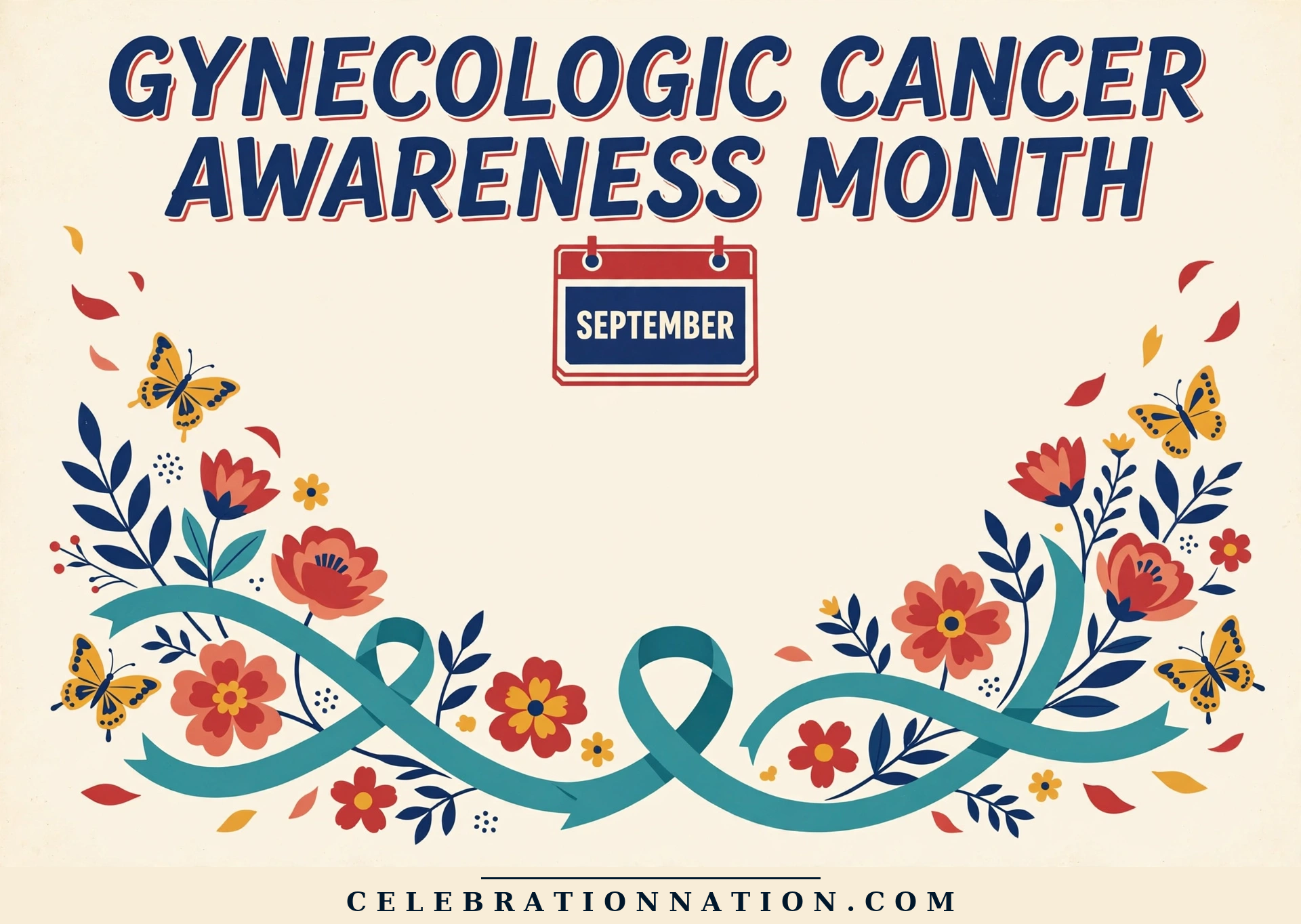
Gynecologic Cancer Awareness Month
Join us in recognizing Gynecologic Cancer Awareness Month and make a lasting impact in the lives of those affected.
- Roots
- Established in 1999 by the Gynecologic Cancer Foundation
- Vibe
- Encouraging early detection and education to improve outcomes
- Hashtag
- #GynecologicCancerAwarenessMonth
Fast facts
The story
Gynecologic Cancer Awareness Month serves as a reminder for women to prioritize their health and seek regular gynecological care. With the right information and resources, many gynecologic cancers can be detected early, significantly improving survival rates. Awareness is not only about statistics; it's about empowering women with knowledge that can save lives.
Read the full story
Throughout September, various organizations across the United States host events to raise funds and educate the public. These activities include walks, health fairs, and informational webinars, all aimed at fostering a supportive community for those affected by gynecologic cancers. Engaging in these events can also help break the stigma surrounding women's health issues.
One of the key components of awareness is understanding the symptoms associated with gynecologic cancers. Women should be vigilant about changes in their bodies and seek medical advice if they experience abnormal bleeding, persistent pelvic pain, or unusual discharge. Recognizing these warning signs can lead to earlier diagnoses and better treatment options.
In addition to awareness, advocacy plays a crucial role in improving research funding and healthcare policies. Individuals and communities are encouraged to participate in advocacy efforts that push for better resources and support systems for women battling these cancers. Together, we can create a more informed society that prioritizes women's health and well-being.
Worth knowing
Know the Risks
Understanding the risk factors for gynecologic cancers, such as age or family history, can empower women to take proactive steps in their health.
Schedule Regular Screenings
Routine screenings are vital for early detection of gynecologic cancers. Stay informed about necessary exams at different life stages.
Speak Up
Encouraging open discussions about women's health can help diminish stigma and promote awareness. Share your knowledge with friends and family.
Support Research
Contributing to research organizations can help advance the understanding of gynecologic cancers and improve treatment options for future generations.
Did you know?
Gynecologic Cancer Types
There are five main types of gynecologic cancers: ovarian, uterine, cervical, vulvar, and vaginal.
Survival Rates
Survival rates vary significantly by cancer type, with early detection being crucial.
Advancements in Treatment
Research continues to improve treatment options and outcomes for women with gynecologic cancers.
Age Factor
Most gynecologic cancers are diagnosed in women aged 30 and older.
Cervical Cancer Prevention
The HPV vaccine is an effective preventive measure against cervical cancer.
Personal Stories
Sharing personal experiences can help raise awareness and support others facing similar challenges.
Community Support
Support groups play a vital role in providing emotional and practical support for those affected.
Around the world
Every culture celebrates a little differently.
- USUnited StatesIn the U.S., September is recognized as Gynecologic Cancer Awareness Month.
- CACanadaCanadian organizations also observe this month, focusing on education and support.
- GBUnited KingdomIn the UK, awareness efforts include campaigns to promote early detection.
- AUAustraliaAustralia hosts various events to raise awareness during September.
- NZNew ZealandNew Zealand participates in global awareness efforts for gynecologic health.
- INIndiaIn India, awareness initiatives are growing, highlighting the importance of education and prevention.
Coming up next
See the calendar

Celebrate every day, all year
Official gear from the people who track 1,700+ celebrations.
Browse the shop 2027 National Day Wall CalendarGet the 2026 edition free. 1,700+ observances.
Never miss a reason to celebrate.
One quick morning email with today's celebrations, ideas and posters. Free, unsubscribe anytime.
🎉 You're on the list! Watch your inbox for The Daily Confetti.