


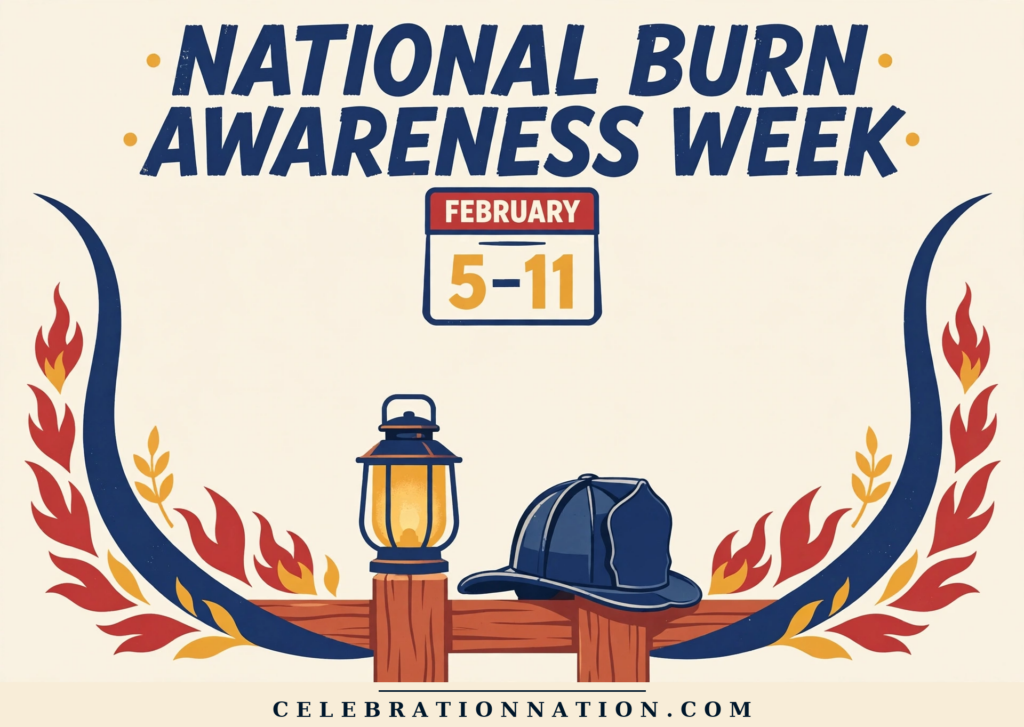
National Burn Awareness Week
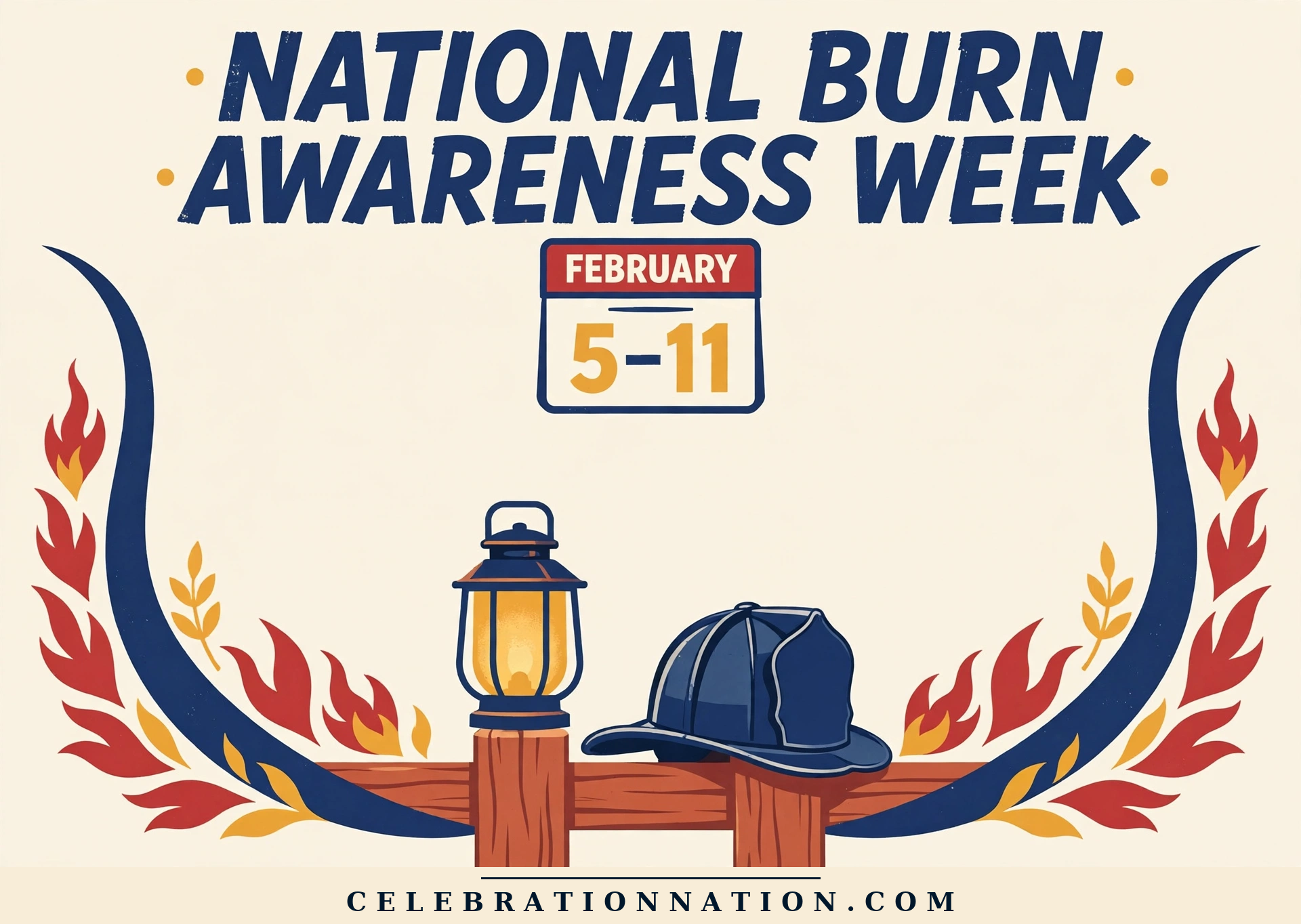
National Burn Awareness Week is a time to spread awareness about burn prevention and treatment, highlighting the importance of safety in our daily lives.
- Roots
- Promoted by the American Burn Association
- Vibe
- Focus on education, prevention, and community engagement.
- Hashtag
- #NationalBurnAwarenessWeek
Fast facts
The story
Burn injuries can have devastating effects on individuals and families, leading to physical and emotional challenges. National Burn Awareness Week serves as a critical reminder to educate ourselves and our communities about how to prevent these injuries. Each year, countless lives are impacted by burns, whether from kitchen accidents, fireworks, or electrical mishaps. Through increased awareness, we can work towards reducing these statistics.
Read the full story
The American Burn Association takes the lead in promoting this week each year. Their efforts include providing resources and materials that help individuals understand the importance of burn safety. From schools to workplaces, various organizations participate to ensure that the message of prevention reaches all corners of society. This week is not just about awareness; it’s about action and making a commitment to safety.
One of the most effective ways to prevent burns is through education. Families can engage in discussions about the risks associated with hot surfaces, open flames, and scalding liquids. Schools can incorporate burn prevention lessons into their curricula. Community events can provide demonstrations on proper first aid treatment for burns, an essential skill that could save lives. By taking these proactive steps, we can significantly reduce the incidence of burns in our communities. Together, we can create a safer environment for everyone.
As we observe National Burn Awareness Week, let us remember that awareness alone is not enough. It is our responsibility to take action, share knowledge, and advocate for safety measures. Whether it’s through social media campaigns, local events, or simply having conversations at home, each effort counts. By fostering a culture of safety, we can prevent the heartache that comes with burn injuries and protect those we care about.
Worth knowing
Kitchen Safety
Most burn incidents happen at home. Always supervise cooking activities and keep flammable materials away from the stove.
Fire Safety
Install smoke alarms on every level of your home. Test them monthly and change the batteries at least once a year.
First Aid Knowledge
Learn how to treat burns properly. Cool the burn under running water for at least 10 minutes and cover it with a clean, non-stick dressing.
Community Involvement
Get involved in local burn prevention programs. Share resources and knowledge with your neighbors to build a safer community.
Did you know?
Burn Statistics
About 29,000 burn injuries result in hospital admission each year in the U.S.
Scalding Risks
Hot liquids and steam can cause serious scald burns, especially in young children.
Fireworks Dangers
Fireworks cause injuries every year, many of which are burns.
Workplace Safety
Construction workers are at a higher risk of burn injuries due to exposure to hot materials.
Burn Treatment
Immediate first aid can minimize the severity of burn injuries and improve healing outcomes.
Burn Centers
About 94 U.S. hospitals handle roughly 81% of all burn admissions.
Cultural Practices
Many cultures have unique practices and rituals for treating burns, often using natural remedies.
Around the world
Every culture celebrates a little differently.
- USUnited StatesIn the U.S., National Burn Awareness Week is recognized in February, focusing on prevention and education.
- CACanadaCanadian organizations also participate in burn awareness campaigns, aligning with U.S. efforts to promote safety.
- GBUnited KingdomIn the UK, similar initiatives are carried out to raise awareness about burn injuries and prevention.
- AUAustraliaAustralia observes its own burn awareness campaigns, often during its summer season when burn incidents rise.
- NZNew ZealandNew Zealand organizations also work to educate the public about burn prevention.
- ·Global EffortsGlobally, burn awareness is an important health issue, with many countries recognizing the need for education and prevention.
Coming up next
See the calendar
Celebrate every day, all year
Official gear from the people who track 1,700+ celebrations.
Browse the shop National Day Celebration Card GameA party in a box, any day of the year.
Never miss a reason to celebrate.
One quick morning email with today's celebrations, ideas and posters. Free, unsubscribe anytime.
🎉 You're on the list! Watch your inbox for The Daily Confetti.