




National Cannabis Awareness Month
On National Cannabis Awareness Month, we listen louder, learn more, and make sure no one feels invisible.
- Roots
- Founded in 2016 by Kim Edwards and Suzanne Trezevant Alvarez.
- Vibe
- A growing acceptance and understanding of cannabis culture.
- Hashtag
- #NationalCannabisAwarenessMonth
Ways to celebrate
Small, doable ways to celebrate National Cannabis Awareness Month.
- Share one reputable resource with your network.
- Donate to a patient-led organization working on cannabis awareness.
- Check in on someone you know who's living with it.
- Book the screening or appointment you've been putting off.
- Listen more than you speak.
Fast facts
The story
April has become the month for an honest conversation about cannabis. National Cannabis Awareness Month dedicates thirty days to education, inviting Americans to look past old assumptions and learn how the plant, the science, and the law are actually evolving.
Read the full story
The observance was founded in 2016 by Kim Edwards and Suzanne Trezevant Alvarez of MariJ Pharmaceuticals, who wanted a dedicated time to raise awareness of the plant's benefits, its uses, and the legislation reshaping how cannabis is treated. The Registrar at National Day Calendar proclaimed it for every April, placing it alongside the long-running counterculture date of April 20.
The timing has tracked a real cultural shift. With the 2018 Farm Bill, hemp became federally legal, opening a nationwide market for hemp-derived products such as CBD oil. State by state, voters and legislatures have since expanded medical and recreational access, each jurisdiction writing its own rules on taxation, licensing, and social equity.
That patchwork is precisely why the month emphasizes learning over slogans. Cannabis now intersects with medicine, where researchers continue studying therapeutic applications; with criminal justice, where states have moved to expunge past marijuana convictions; and with the economy, where legal markets support hundreds of thousands of jobs. April's panels, teach-ins, and advocacy events aim to replace rumor with information.
The month also carries a note of responsibility: know your local laws, which vary widely, and approach the subject with care. Whether you arrive curious or skeptical, April is an invitation to read the research and join a conversation that is still being written.
Coming up next
See the calendar

Celebrate every day, all year
Official gear from the people who track 1,700+ celebrations.
Browse the shop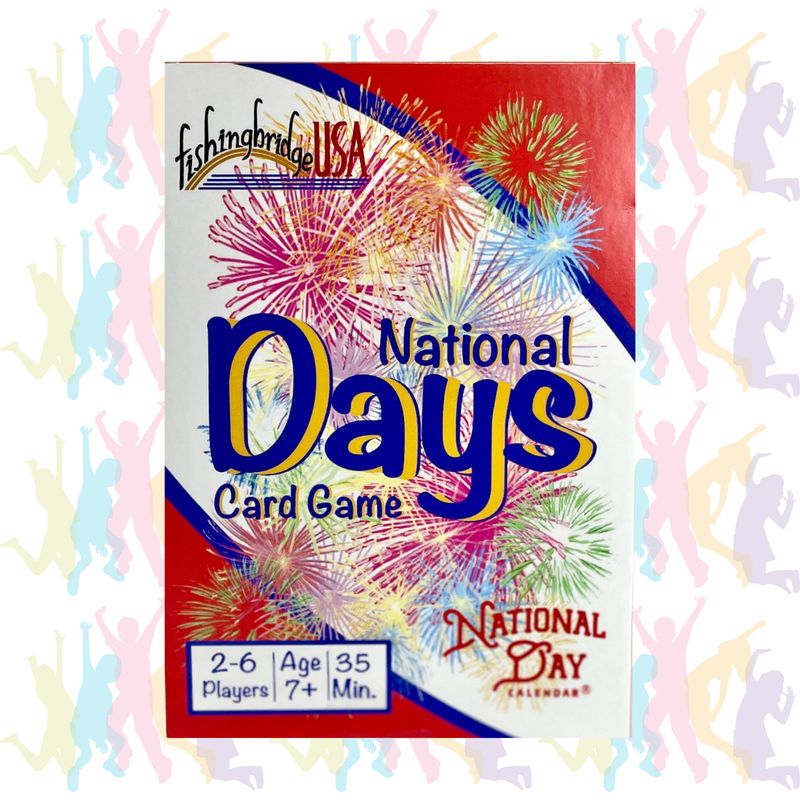 National Day Celebration Card GameA party in a box, any day of the year.
Never miss a reason to celebrate.
One quick morning email with today's celebrations, ideas and posters. Free, unsubscribe anytime.
🎉 You're on the list! Watch your inbox for The Daily Confetti.