




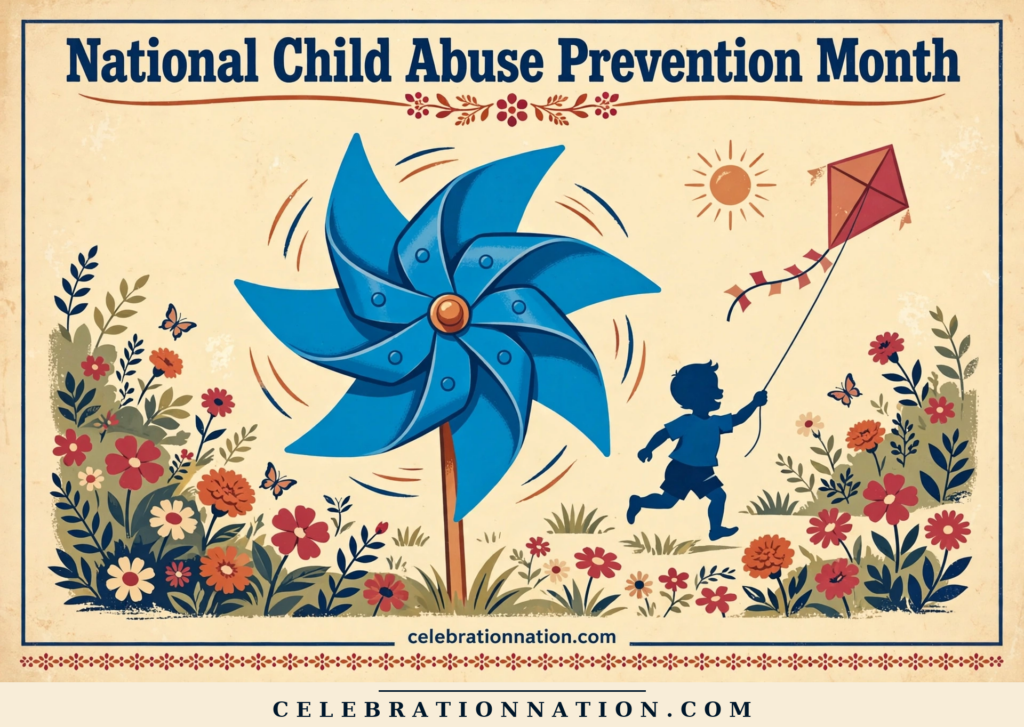
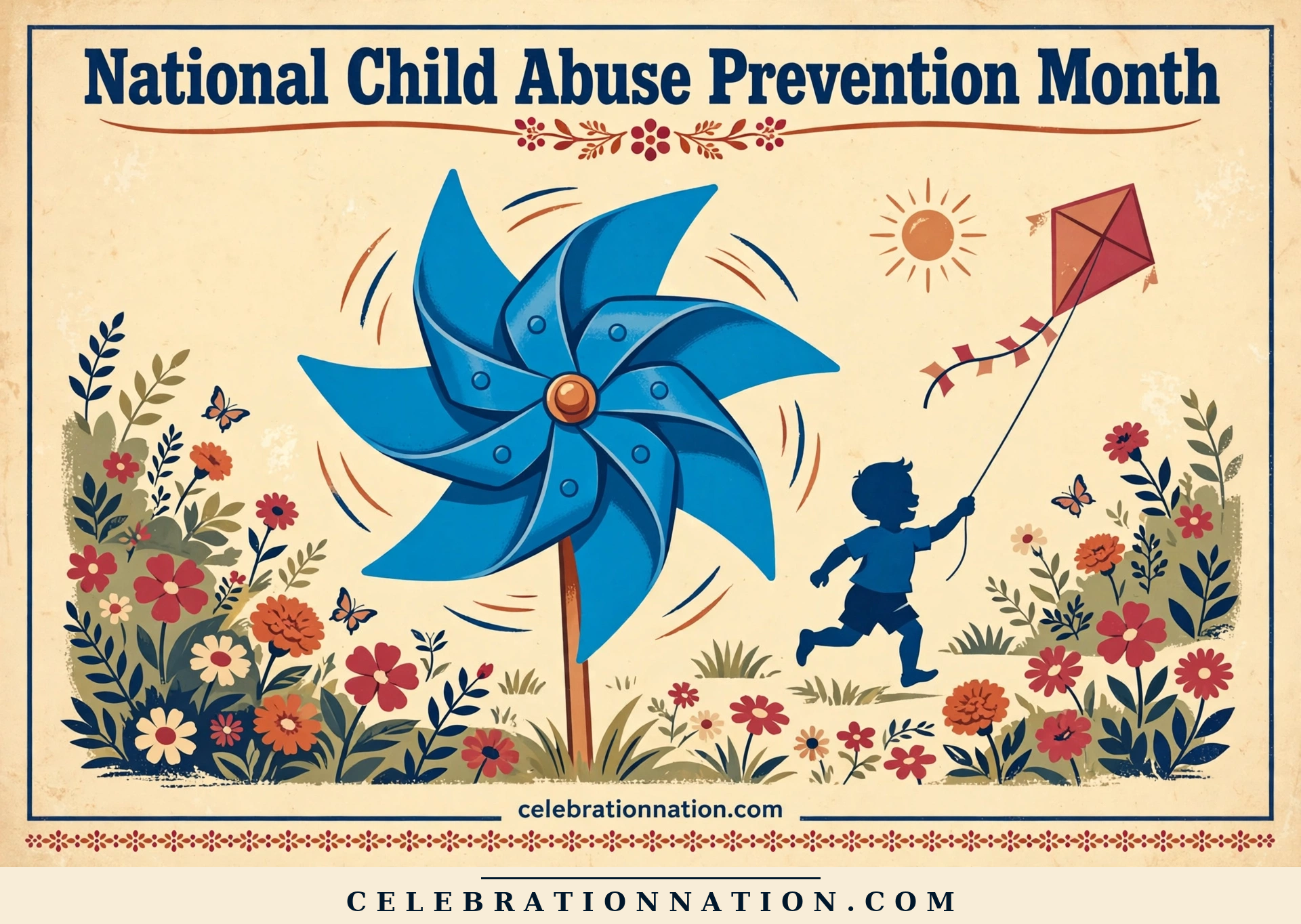
National Child Abuse Prevention Month
National Child Abuse Prevention Month isn't about diagnosis — it's about dignity. About showing up, showing support, and pushing for change.
- Roots
- First observed in 1983
- Vibe
- A collective call to action for communities and individuals.
- Hashtag
- #NationalChildAbusePreventionMonth
Ways to celebrate
Small, doable ways to celebrate National Child Abuse Prevention Month.
- Share one reputable resource with your network.
- Donate to a patient-led organization working on child abuse prevention.
- Check in on someone you know who's living with it.
- Book the screening or appointment you've been putting off.
- Listen more than you speak.
Fast facts
The story
National Child Abuse Prevention Month serves as a crucial reminder of the responsibility we all share in protecting children. Observed every April since 1983, this month highlights the importance of community involvement and awareness in preventing child abuse and neglect. Various organizations and advocates engage in efforts to educate the public and promote policies that support child welfare.
Read the full story
Throughout the month, various activities and events are held across the country to raise awareness. Local governments, schools, and community groups host workshops and seminars, while families are encouraged to engage in discussions about the importance of child safety. The National Child Abuse Prevention Month theme often emphasizes the importance of collaboration between families and communities.
One of the primary goals of this observance is to promote the idea that every child deserves a safe and nurturing environment. By participating in local events or displaying blue ribbons, individuals can symbolize their commitment to safeguarding children. The blue ribbon has become a national symbol of child abuse prevention, representing hope and awareness.
As we reflect on National Child Abuse Prevention Month, it is essential to recognize the role each of us can play in protecting children. By educating ourselves and our communities, we can foster a culture of support and vigilance. Together, we can make strides toward a future where all children are safe, healthy, and loved.
Worth knowing
Protect Our Future
Child abuse prevention is vital for a healthier future. By protecting children today, we ensure a safer society tomorrow.
Wear Blue
Show your support for child abuse prevention by wearing blue throughout April. This simple act raises awareness in your community.
Safe Spaces
Creating safe spaces for children to express themselves is essential. Encourage open dialogues in your family and community.
Educate Yourself
Knowledge is power. Learn about the signs of child abuse and how to report it to ensure the safety of children in your care.
Did you know?
Highest Risk Age
Children in families facing economic hardship experience higher rates of abuse and neglect.
Long-Term Effects
Child abuse can lead to long-term psychological issues, including depression and anxiety.
Reporting
Many child abuse cases go unreported, so official counts are likely underestimates.
Support Services
Many communities offer free counseling and support services for families in crisis.
Prevention Programs
Early intervention and prevention programs can significantly reduce instances of child abuse.
Community Role
Communities play a crucial role in providing safe environments for children.
Global Awareness
Child abuse awareness is a global issue, with many countries recognizing the need for prevention efforts.
Around the world
Every culture celebrates a little differently.
- USUnited StatesNational Child Abuse Prevention Month is recognized across the U.S., with numerous events and campaigns.
- CACanadaCanada also runs child abuse prevention campaigns, highlighting similar themes of community and awareness.
- AUAustraliaAustralia's National Child Protection Week in September emphasizes the importance of child safety and welfare.
- GBUnited KingdomIn the UK, various child welfare initiatives work year-round to protect children.
- NZNew ZealandNew Zealand promotes child protection through various campaigns, emphasizing the need for community involvement.
- DEGermanyGermany promotes child protection efforts focusing on the prevention of child abuse and neglect.
Coming up next
See the calendar


Celebrate every day, all year
Official gear from the people who track 1,700+ celebrations.
Browse the shop "Can't Wait to Celebrate" children's bookA picture book for little celebrators.
Never miss a reason to celebrate.
One quick morning email with today's celebrations, ideas and posters. Free, unsubscribe anytime.
🎉 You're on the list! Watch your inbox for The Daily Confetti.