



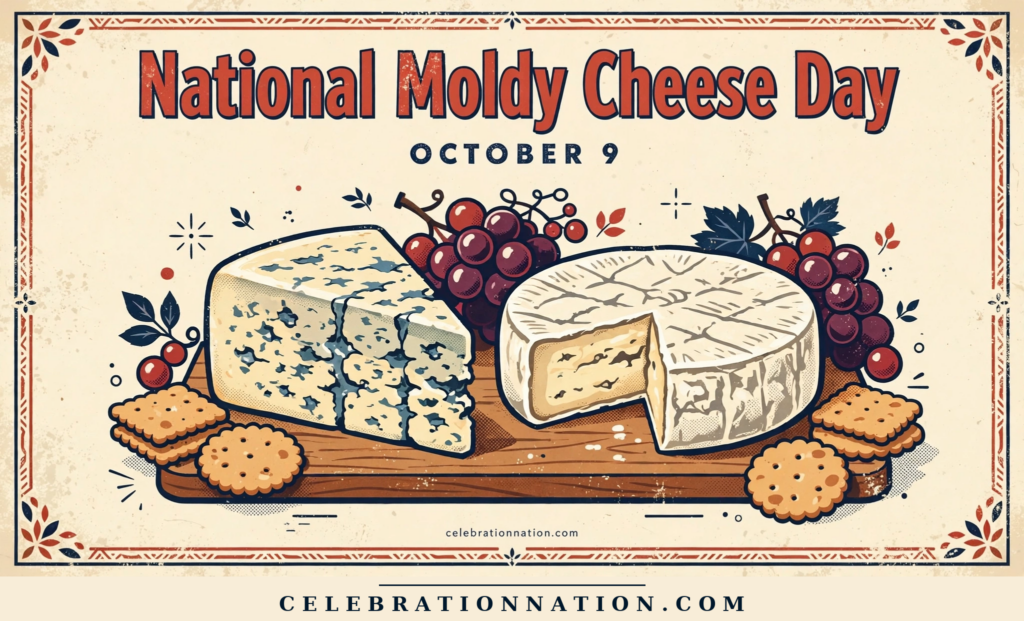
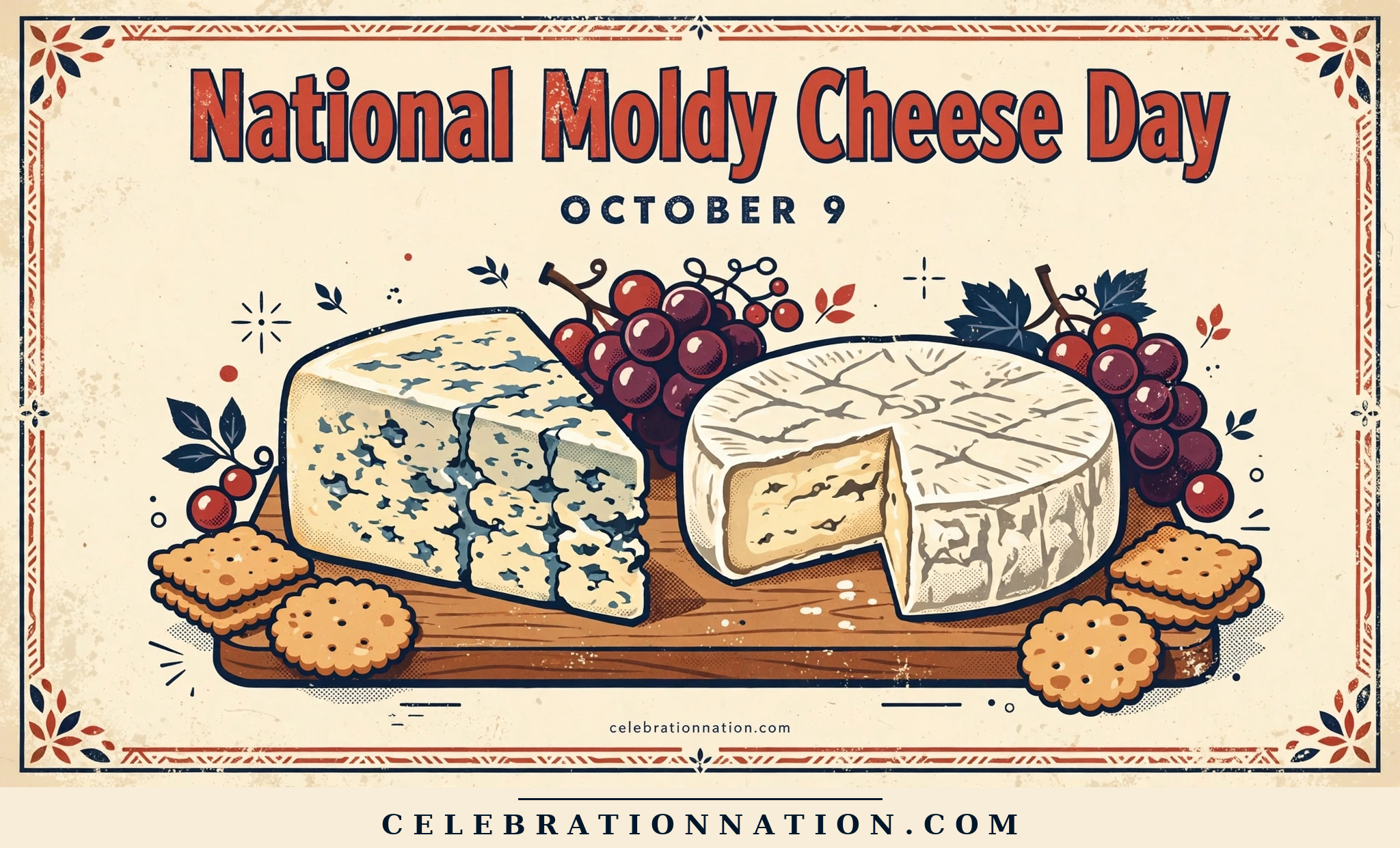
National Moldy Cheese Day
Let’s get a little cheesy today and celebrate the unique flavors of moldy cheese! Embrace the fun and creativity that comes with enjoying these tasty treats with friends or family.
- Roots
- Origins remain unknown
- Vibe
- A day of exploration and appreciation
- Also on Oct 9
- World Post Day · World Egg Day · International Beer and Pizza Day
- Hashtag
- #NationalMoldyCheeseDay
Ways to celebrate
- Host a cheese tasting party at home. Gather a selection of moldy cheeses, pair them with fruits, nuts, and your favorite crackers, and invite friends over to explore the delightful flavors together.
- Get creative in the kitchen! Try making a simple cheese dip using your favorite moldy cheese. Serve it with fresh veggies or crispy chips for a fun snack.
- Share the joy of moldy cheese with your neighbors or friends. Put together small cheese gift bags with a sample of your favorite moldy cheese and a handwritten note to spread some happiness!
Plan ahead
National Moldy Cheese Day is observed on October 9 every year. Here is where it lands for the next ten years, handy for planners, marketers and party people.
Fast facts
The story
National Moldy Cheese Day, observed on October 9, invites enthusiasts to delve into the world of moldy cheeses, a category that includes beloved varieties like Roquefort, Gorgonzola, and Stilton. These cheeses, known for their distinct blue or green veins, have been enjoyed for centuries, often being paired with fruits, nuts, and wines that enhance their unique flavors. The artistry behind moldy cheese is a testament to the skill of cheesemakers who harness the power of specific molds to create complex textures and tastes.
Read the full story
Moldy cheeses are not just a culinary delight; they also hold historical significance. The practice of ripening cheese with mold dates back centuries, with Roquefort and Gorgonzola among the oldest known blue cheeses. These cheeses have evolved over the years, with modern techniques allowing for a wider variety of flavors and textures. In recent years, the popularity of artisanal cheesemaking has skyrocketed, leading to a resurgence in interest for unique moldy varieties.
In America, states like Wisconsin and California are at the forefront of cheese production, offering an array of locally made moldy cheeses. Cheese festivals and tastings are common, where locals and visitors alike can sample the best offerings. The rise of gourmet cheese shops has made moldy cheeses more accessible, encouraging people to experiment with different pairings and recipes. This day serves as a reminder to appreciate the craftsmanship that goes into creating these flavorful cheeses.
As you celebrate National Moldy Cheese Day, consider trying something new, perhaps a cheese you've never tasted before or a unique recipe featuring moldy cheese. Whether you enjoy it on a charcuterie board, melted on a dish, or simply with a glass of wine, take the time to savor the rich history and diverse flavors that moldy cheeses bring to the table.
Did you know?
Did You Know?
The blue mold used in cheeses is called Penicillium.
Culinary History
Gorgonzola has been produced in northern Italy for centuries.
Unique Flavors
Moldy cheeses can develop earthy, nutty, and sweet notes.
Health Benefits
Roquefort must be aged in the natural Combalou caves in France.
Cultural Significance
Cheese is a staple in many cultures worldwide.
Artisan Boom
Interest in artisanal cheese has surged since the 2000s.
Annual Events
Cheese festivals are held across the U.S. every year.
Around the world
Every culture celebrates a little differently.
- USUnited StatesHome to a plethora of artisanal cheesemakers.
- FRFranceFamous for its rich and varied cheese culture.
- ITItalyKnown for Gorgonzola and Parmigiano-Reggiano.
- GBUnited KingdomHome to Stilton and other classic cheeses.
- ESSpainOffers unique blue cheeses like Cabrales.
- DKDenmarkKnown for its creamy moldy cheeses.
Keep the party going
See the calendar

Celebrate every day, all year
Official gear from the people who track 1,700+ celebrations.
Browse the shop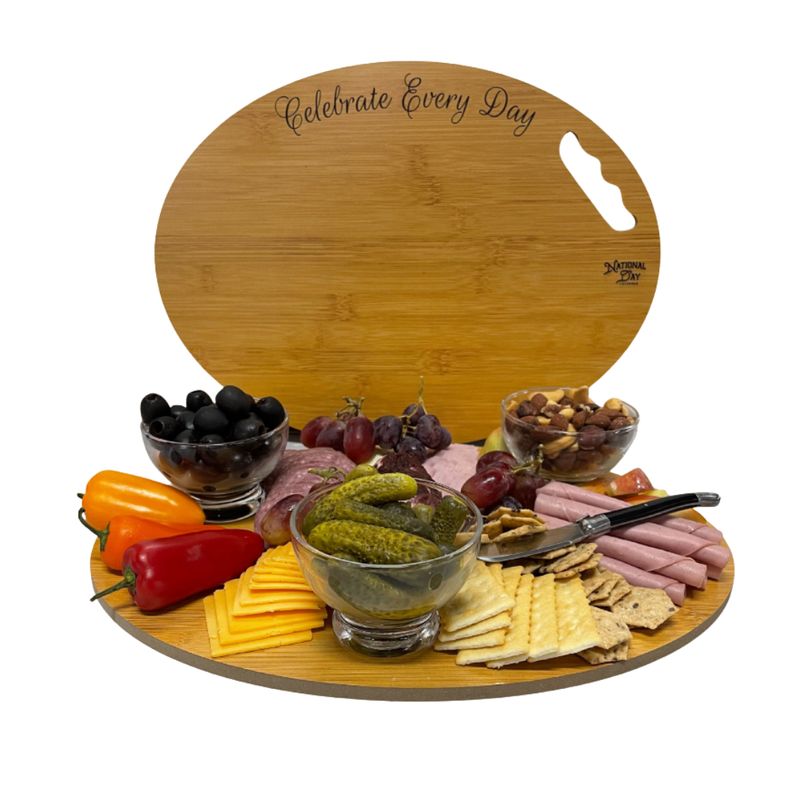 Oval wooden charcuterie boardMade for snack days and cheese days.
Never miss a reason to celebrate.
One quick morning email with today's celebrations, ideas and posters. Free, unsubscribe anytime.
🎉 You're on the list! Watch your inbox for The Daily Confetti.