
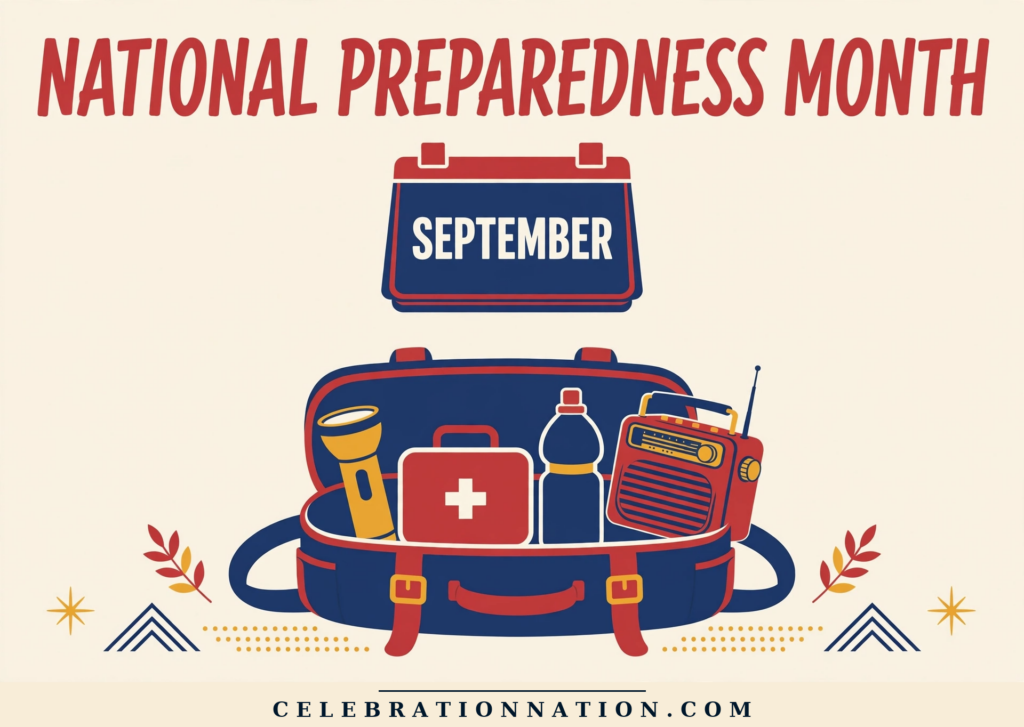
National Preparedness Month
National Preparedness Month reminds us that being ready can save lives.
- Roots
- Created by FEMA in 2004
- Vibe
- A community-driven call to action
- Hashtag
- #NationalPreparednessMonth
Fast facts
The story
National Preparedness Month was established by the Federal Emergency Management Agency (FEMA) in 2004 to encourage Americans to prepare for emergencies. The observance serves as a reminder that disasters can happen at any time, whether they are natural disasters like hurricanes and wildfires, or man-made events such as terrorism. Each September, communities across the nation engage in various activities to promote readiness and resilience.
Read the full story
One of the key components of preparedness is having an emergency plan. This plan should include communication strategies, evacuation routes, and meeting points for families. It’s essential for each family member to understand their roles and responsibilities during a crisis. By practicing this plan, families can ensure that everyone knows what to do when an emergency strikes, reducing panic and confusion.
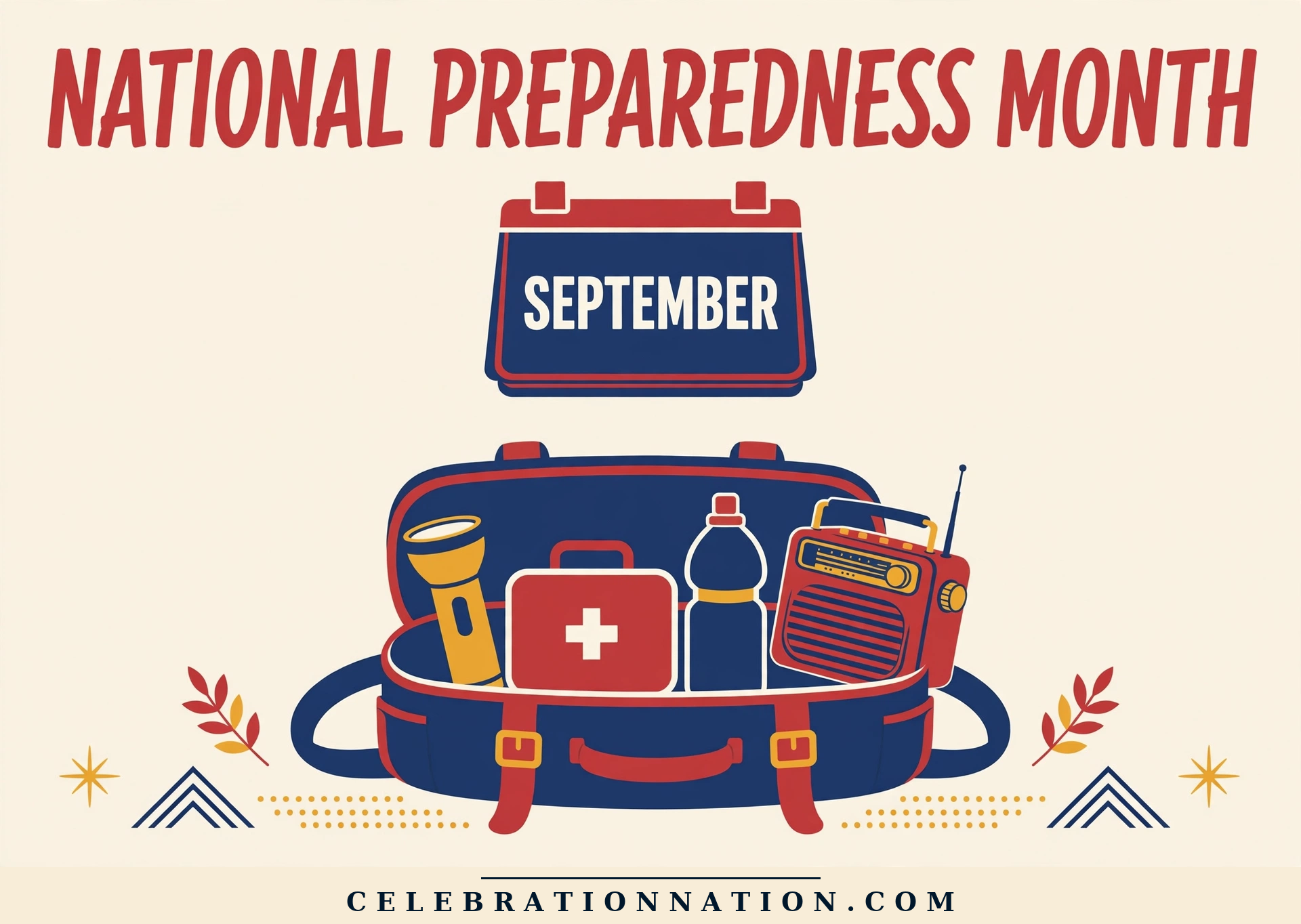
In addition to creating a plan, assembling an emergency kit is crucial. An ideal kit should contain essential supplies such as water, non-perishable food, a flashlight, batteries, first aid items, and any necessary medications. It’s advisable to review and update this kit regularly, ensuring that all items are in working condition and that food and medications are not expired.
Community involvement is also a significant aspect of National Preparedness Month. Local governments, organizations, and citizens can work together to host workshops, drills, and educational sessions. This collective effort fosters a culture of preparedness, enabling communities to respond effectively to emergencies, thereby saving lives and minimizing damage.
Worth knowing
Plan Your Emergency
Creating a comprehensive plan is the first step.
Build Your Kit
Ensure you have essential supplies ready.
Involve Everyone
Make sure all family members participate in planning.
Engage Your Community
Share knowledge and resources with neighbors.
Did you know?
FEMA's Role
FEMA leads the national preparedness campaign.
Community Resilience
Prepared communities recover faster from disasters.
Emergency Kits
Kits should be updated every six months.
Disaster Types
Natural disasters include floods and tornadoes.
International Focus
Many countries have similar preparedness campaigns.
Volunteer Opportunities
Community volunteers play a vital role in preparedness.
Educational Resources
FEMA provides free resources for families.
Around the world
Every culture celebrates a little differently.
- USUnited StatesHome to National Preparedness Month.
- CACanadaAlso emphasizes disaster preparedness.
- AUAustraliaFocuses on bushfire and flood readiness.
- GBUnited KingdomPromotes emergency planning for various scenarios.
- DEGermanyEncourages community safety initiatives.
- JPJapanKnown for earthquake preparedness efforts.
Coming up next
See the calendar
Celebrate every day, all year
Official gear from the people who track 1,700+ celebrations.
Browse the shop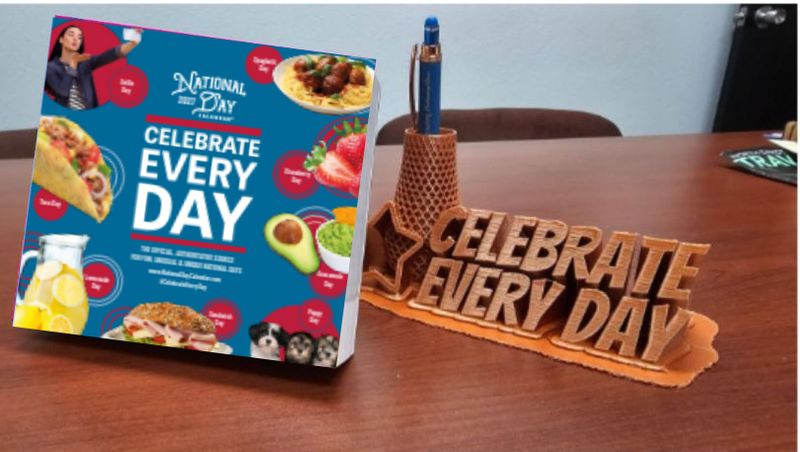 2027 National Day Desk CalendarA new celebration every morning. Daily tear-off.
Never miss a reason to celebrate.
One quick morning email with today's celebrations, ideas and posters. Free, unsubscribe anytime.
🎉 You're on the list! Watch your inbox for The Daily Confetti.