




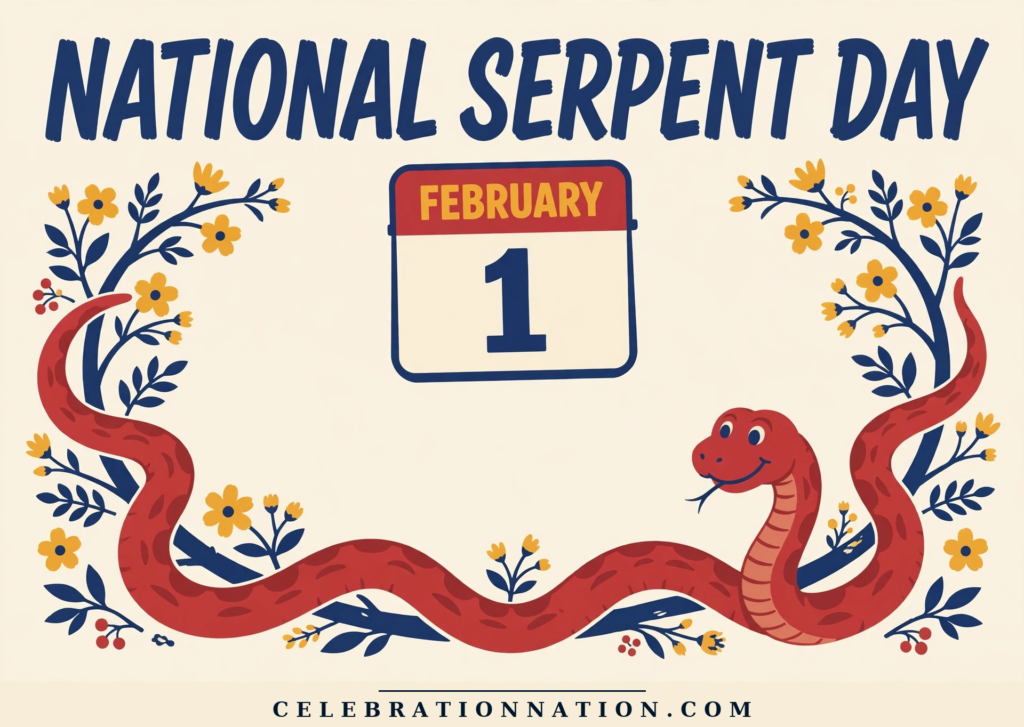
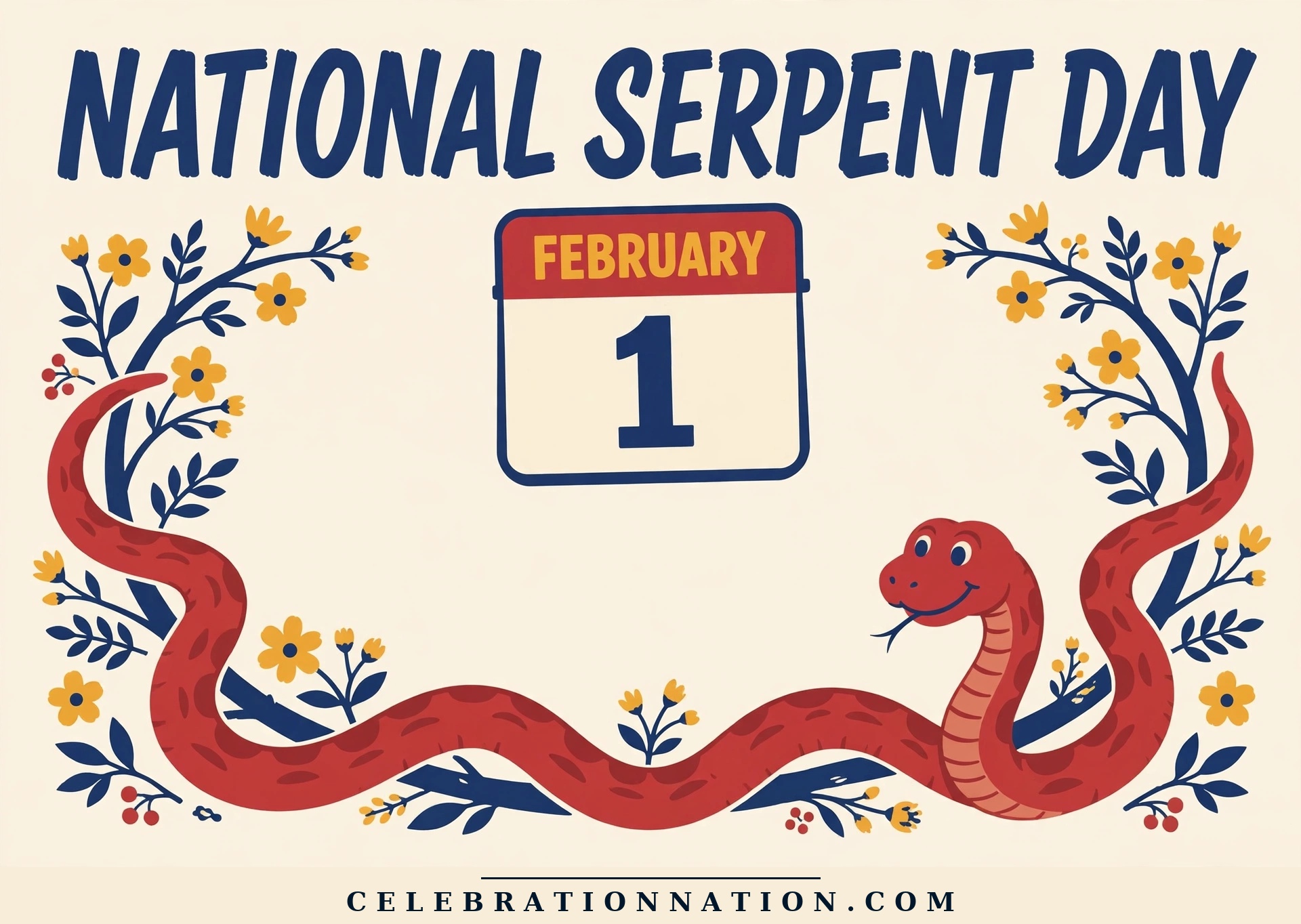
National Serpent Day
National Serpent Day is a time to appreciate the ecological importance of snakes and dispel myths surrounding them.
- Roots
- Origin unknown
- Vibe
- Educational and appreciative
- Also on Feb 1
- World Aspergillosis Day · World Hijab Day · Baked Alaska Day
- Hashtag
- #NationalSerpentDay
3 ways to celebrate
Watch a nature doc
Stream a documentary about snakes and learn how they live and hunt.
Visit a reptile house
Head to the zoo's reptile exhibit together and spot the snakes.
Share snake facts
Post five fascinating snake facts on the classroom or office board.
Plan ahead
National Serpent Day is observed on February 1 every year. Here is where it lands for the next ten years, handy for planners, marketers and party people.
Fast facts
The story
National Serpent Day, celebrated on February 1, highlights the importance of snakes in ecosystems and cultures worldwide. This observance encourages enthusiasts and the general public to learn about the various species, their habitats, and their roles in maintaining ecological balance. From the venomous rattlesnake to the harmless garter snake, each species has its unique characteristics and contributions.
Read the full story
The idea of dedicating a day to snakes emerged in 2019, with the aim of fostering a deeper understanding of these often-misunderstood reptiles. Snakes face numerous threats, including habitat destruction, climate change, and unfounded fears that lead to their killing. National Serpent Day promotes conservation efforts and educates people about the significance of snakes in controlling pests and maintaining biodiversity.
Celebrations often include visits to zoos, wildlife centers, and educational workshops. Many participants take the opportunity to share their experiences on social media, using the hashtag #NationalSerpentDay. As awareness grows, so does appreciation for the beauty and diversity of snakes, which are found on every continent except Antarctica.
In addition to educational activities, National Serpent Day is also a time for reflection on how humans can coexist with these fascinating creatures. By understanding their behavior and ecological roles, communities can foster a more positive relationship with snakes, ensuring their preservation for generations to come.
Did you know?
Snake Longevity
Some snakes can live over 20 years in captivity.
Venom vs. Poison
Venom is injected, while poison is ingested.
Shed Skin
Snakes shed their skin several times a year.
Not All Are Dangerous
Only about 15% of snake species are venomous.
Unique Movement
Snakes move by contracting their muscles and using scales.
Cultural Significance
Snakes appear in myths and folklore across cultures.
Breeding Habits
Some snakes give live birth, while others lay eggs.
Around the world
Every culture celebrates a little differently.
- USNorth AmericaHome to various snake species, including the Eastern Diamondback Rattlesnake.
- BRSouth AmericaFeatures unique species like the Anaconda and Coral Snake.
- AUAustraliaKnown for its diverse and sometimes venomous snakes.
- INAsiaHosts species such as the King Cobra and Banded Krait.
- EUEuropeIncludes species like the European Adder.
- ZAAfricaHome to the iconic Black Mamba and Puff Adder.
Keep the party going
See the calendar



Celebrate every day, all year
Official gear from the people who track 1,700+ celebrations.
Browse the shop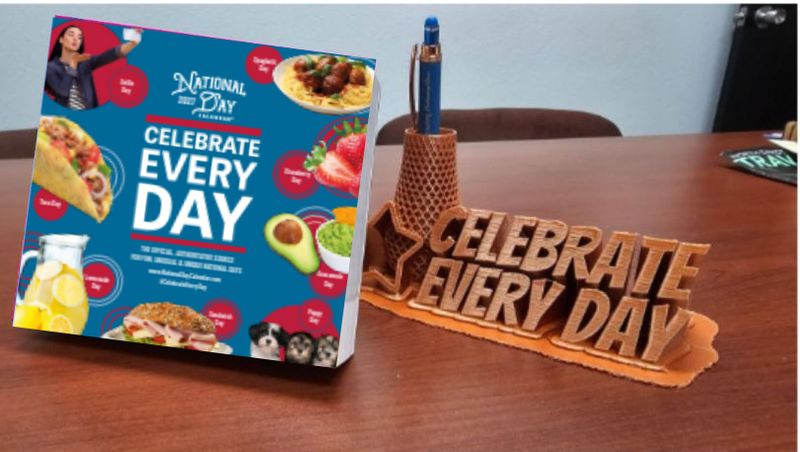 2027 National Day Desk CalendarA new celebration every morning. Daily tear-off.
Never miss a reason to celebrate.
One quick morning email with today's celebrations, ideas and posters. Free, unsubscribe anytime.
🎉 You're on the list! Watch your inbox for The Daily Confetti.