






National Silence the Shame Day
National Silence the Shame Day is the kind of day that rewards a little intention and a lot of heart.
- Roots
- Founded on May 5, 2017 by the Hip-Hop Professional Foundation; proclaimed by National Day Calendar in 2018
- Vibe
- Supportive and empowering atmosphere
- Also on May 5
- Mmiw Awareness Day · Teacher Appreciation Day · Foster Care Day
- Hashtag
- #NationalSilenceTheShameDay
Ways to celebrate
Small, doable ways to celebrate National Silence the Shame Day.
- Do one small thing that makes the day feel marked.
- Tell someone what you're celebrating and why.
- Share a post, a photo, or a memory connected to it.
- Make a tiny tradition — something you could do again next year.
- Let it be simple. Not every celebration has to be a production.
Make it your kind of celebration
Family
Do one small thing together that everyone will remember.
Kids
Turn it into a craft, a story, or a snack — meet them where they are.
Couples
Use the day as an excuse for a little intentional time together.
Office
Acknowledge the day in the team chat or at a stand-up. Small, sincere, fast.
School
Anchor a short lesson or activity around the day.
Community
Share, volunteer, or donate to make the day mean something locally.
Just me
Celebrate quietly and completely. One person can still mark a day.
Plan ahead
National Silence the Shame Day is observed on May 5 every year. Here is where it lands for the next ten years, handy for planners, marketers and party people.
Fast facts
The story
National Silence the Shame Day was founded in 2016 by Shanti Das and Gregory M. Williams to raise awareness about mental health and combat the stigma that often surrounds it. Each year, this day encourages individuals to share their stories, fostering a supportive community where mental health discussions can thrive. The initiative aims to empower people to speak openly about their experiences, thereby reducing the shame that many feel when confronting mental health challenges.
Read the full story
Mental health affects millions of Americans, with statistics indicating that one in five adults will experience mental illness in their lifetime. However, despite the prevalence of these conditions, a significant portion of individuals often feels too ashamed to seek help. National Silence the Shame Day serves as a pivotal opportunity to change this narrative, highlighting the importance of dialogue in promoting understanding and compassion in the face of mental health struggles.
Events and discussions held on this day range from social media campaigns to community workshops, encouraging participants to share their experiences and insights. Many organizations and mental health advocates take part in these initiatives, providing resources and support to those in need. The collective aim is to create a culture where mental health is discussed openly and stigma is diminished, allowing individuals to feel empowered to seek treatment.
As we observe National Silence the Shame Day, it is essential to remember that mental health is just as important as physical health. By talking about our experiences, we not only help ourselves but also create a safe space for others to do the same. Let us honor this day by supporting one another, sharing our stories, and advocating for mental health awareness in our communities.
Did you know?
First Observance
The first National Silence the Shame Day was in 2016.
Mental Health Myths
Many believe mental illness is a personal flaw, not a medical condition.
Outreach Programs
Numerous organizations provide resources for mental health support.
Cultural Impact
Stigma varies significantly across different cultures.
Global Movement
Mental health awareness is becoming a global initiative.
Support Groups
Many find healing in peer-led support groups.
Advocacy Growth
Mental health advocacy is rapidly growing in the U.S.
Around the world
Every culture celebrates a little differently.
- USNorth AmericaIn the U.S., mental health awareness is a growing focus.
- GBEuropeMany European countries recognize mental health as a key issue.
- AUAustraliaAustralia promotes mental health through various campaigns.
- CACanadaCanada supports mental health initiatives and research.
- INAsiaAsian countries are increasingly addressing mental health stigma.
- BRSouth AmericaMental health awareness is rising across South America.
Keep the party going
See the calendar




Celebrate every day, all year
Official gear from the people who track 1,700+ celebrations.
Browse the shop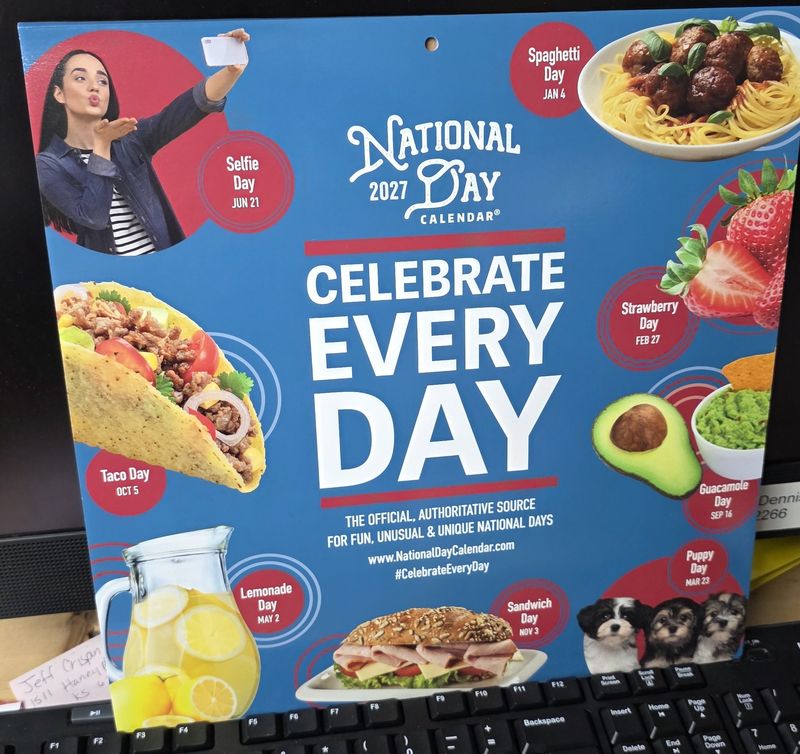 2027 Wall + Desk Calendar BundleCelebrate every day at home and at work.
Never miss a reason to celebrate.
One quick morning email with today's celebrations, ideas and posters. Free, unsubscribe anytime.
🎉 You're on the list! Watch your inbox for The Daily Confetti.