

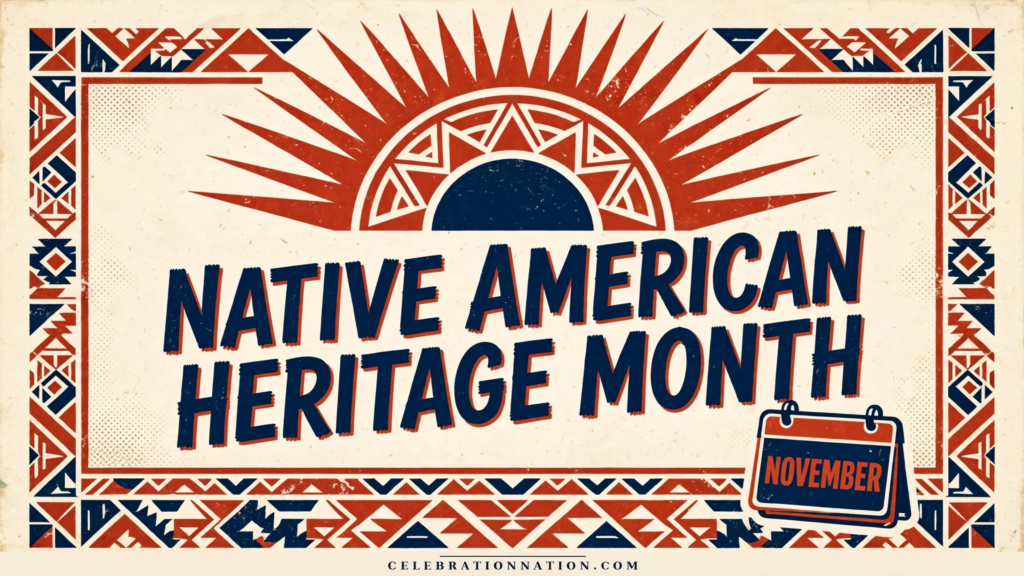
Native American Heritage Month
November is a time for reflection and celebration.
- Roots
- Established in 1990 by President George H.W. Bush
- Vibe
- A month of education, celebration, and remembrance
- Hashtag
- #NativeAmericanHeritageMonth
Fast facts
The story
Native American Heritage Month was first established in 1990, following decades of lobbying for recognition of Indigenous peoples' contributions and history in America. This month is a time to acknowledge the resilience of Native communities and their rich cultural heritage. Various events, including storytelling, art showcases, and traditional performances, are held across the country to celebrate the diverse cultures of Native Americans. Schools, museums, and community organizations play a vital role in hosting activities that educate the public about Native histories and contemporary issues.
Read the full story
Throughout history, Native Americans have made significant contributions to the fabric of American society. From agriculture to government, many aspects of contemporary American life are influenced by Indigenous knowledge and practices. For example, the agricultural techniques developed by Native peoples laid the groundwork for modern farming. Additionally, the Iroquois Confederacy's governance model inspired aspects of the U.S. Constitution. These connections highlight the importance of recognizing and celebrating Native American heritage.
Despite centuries of challenges, Native American communities continue to thrive and revitalize their cultures. Many tribes are involved in efforts to preserve their languages, arts, and traditions. Young Native artists and activists are leading the way in advocating for cultural renewal and social justice. This month provides an opportunity for everyone to support these initiatives, whether through participation in local events or by amplifying Indigenous voices in the media.
As we observe Native American Heritage Month, it is essential to remember that honoring Indigenous peoples involves more than acknowledgment, it's about understanding their histories, listening to their stories, and supporting their rights. Engaging with Native communities and their perspectives can foster a deeper appreciation for their contributions and the ongoing struggles they face. This month serves as a reminder that celebrating diversity enriches our collective experience.
Worth knowing
Cultural Events
Participate in local festivities celebrating Native cultures.
Educational Resources
Explore literature and documentaries about Native histories.
Art and Music
Support Indigenous artists and musicians.
Shop Local
Visit Native-owned businesses for unique gifts.
Did you know?
Longest-Standing Tribes
The Navajo Nation, established in 1868, is one of the largest tribes in the U.S.
Languages
There are over 300 Native languages spoken in the U.S.
Traditional Foods
Native Americans cultivated crops like corn, beans, and squash.
Art Forms
Many tribes have unique pottery, weaving, and beadwork traditions.
Contributions to Governance
The Iroquois Confederacy's principles influenced American democracy.
Cultural Revitalization
Many tribes are actively working to revive their languages and traditions.
Land Acknowledgment
Recognizing traditional lands is an important practice in many communities.
Around the world
Every culture celebrates a little differently.
- USUnited StatesHome to over 574 federally recognized tribes.
- CACanadaRecognizes Indigenous Heritage Month in June.
- MXMexicoCelebrates Indigenous peoples on August 9.
- AUAustraliaObserves NAIDOC Week to honor Aboriginal cultures.
- BRBrazilPromotes Indigenous Rights Day on April 19.
- ESSpainRecognizes Indigenous cultures in its territories.
Coming up next
See the calendar
Celebrate every day, all year
Official gear from the people who track 1,700+ celebrations.
Browse the shop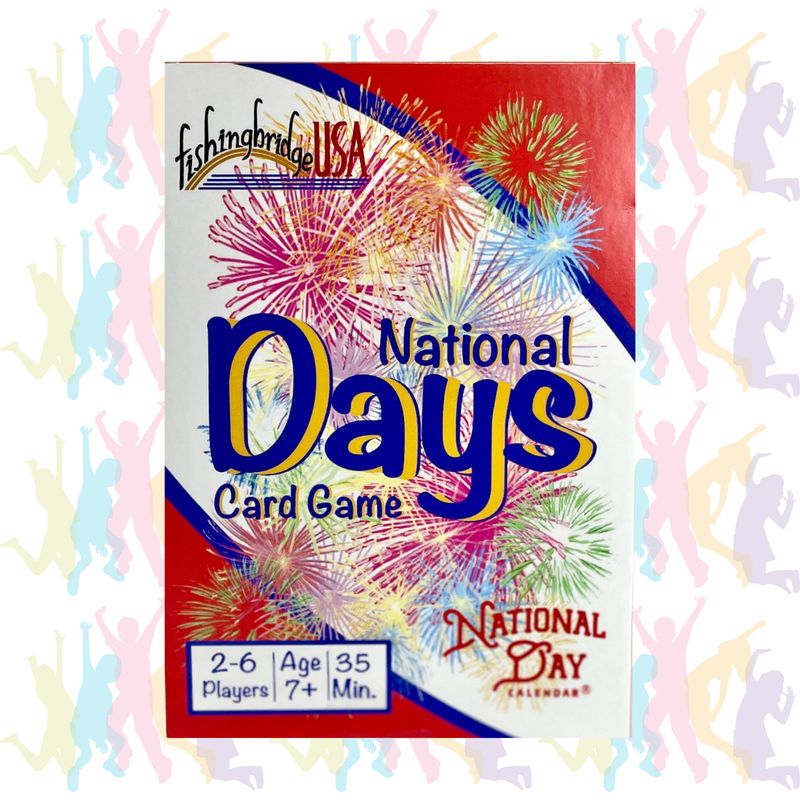 National Day Celebration Card GameA party in a box, any day of the year.
Never miss a reason to celebrate.
One quick morning email with today's celebrations, ideas and posters. Free, unsubscribe anytime.
🎉 You're on the list! Watch your inbox for The Daily Confetti.