

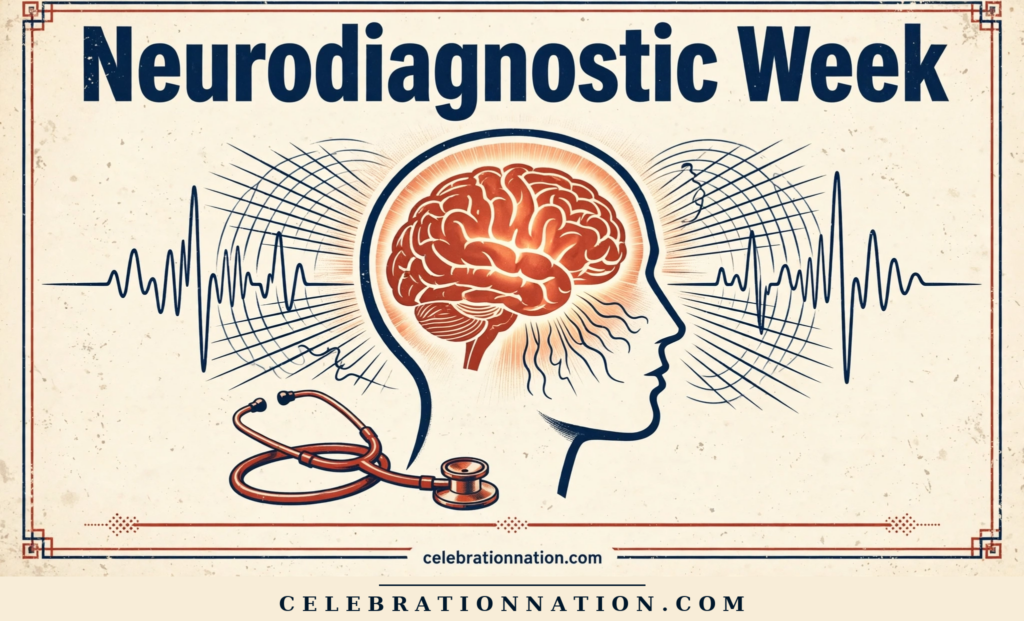
Neurodiagnostic Week
Neurodiagnostic Week is a small but real reason to pause, notice, and celebrate — together if we can.
- Roots
- Established in 2014 by the American Society of Electroneurodiagnostic Technologists
- Vibe
- A week filled with awareness and appreciation
- Hashtag
- #NeurodiagnosticWeek
Ways to celebrate
Small, doable ways to celebrate Neurodiagnostic Week.
- Do one small thing that makes the day feel marked.
- Tell someone what you're celebrating and why.
- Share a post, a photo, or a memory connected to it.
- Make a tiny tradition — something you could do again next year.
- Let it be simple. Not every celebration has to be a production.
Fast facts
The story
Neurodiagnostic Week serves as an annual reminder of the importance of professionals who specialize in diagnosing and treating neurological disorders. From epilepsy to sleep disorders, these experts utilize advanced technologies to provide critical insights into brain and nerve function. Their work is essential not only for accurate diagnosis but also for developing effective treatment plans for patients.
Read the full story
Originating in 2014, this week is championed by the American Society of Electroneurodiagnostic Technologists (ASET), which aims to elevate public awareness and appreciation for neurodiagnostic services. As the medical field continues to evolve, neurodiagnostic professionals play a pivotal role in integrating new diagnostic techniques and technologies, ensuring patients receive the best care possible.
Throughout the week, various events and educational opportunities are hosted across the country. Hospitals and clinics often hold open houses, workshops, and community discussions to inform the public about the significance of neurodiagnostic practices. Engaging the community fosters a greater understanding of neurological health and encourages individuals to seek help when necessary.
As we celebrate Neurodiagnostic Week, it is essential to recognize the dedication of neurodiagnostic professionals. Their commitment to patient care and ongoing education not only advances the field but also significantly impacts the lives of individuals living with neurological conditions. By supporting and acknowledging their work, we can help raise awareness for better neurological health for all.
Worth knowing
Understanding Neurology
Explore the basics of neurological health and disorders.
Join Local Events
Check for workshops and seminars in your area.
Educate Yourself
Read up on neurodiagnostic techniques and research.
Support Professionals
Thank neurodiagnostic staff at your local hospitals.
Did you know?
First EEG
The first electroencephalogram (EEG) was recorded in 1924.
Common Disorders
Epilepsy and migraines are among the most common neurological disorders.
Technological Advances
Neurodiagnostic technology has evolved significantly over the past two decades.
Global Impact
Neurological disorders affect over 1 billion people worldwide.
Career Opportunities
There are numerous career paths within neurodiagnostics.
Patient Care
Neurodiagnostic professionals often work closely with neurologists.
Awareness Importance
Raising awareness can lead to earlier diagnoses and better outcomes.
Around the world
Every culture celebrates a little differently.
- USUnited StatesHome to thousands of neurodiagnostic professionals.
- CACanadaCelebrating advancements in neurodiagnostic technologies.
- GBUnited KingdomRecognizing the importance of neurological health awareness.
- AUAustraliaEngaging communities in discussions about neurological disorders.
- DEGermanyInnovative research and practices in neurodiagnostics.
- INIndiaGrowing interest in neurological health initiatives.
Coming up next
See the calendar

Celebrate every day, all year
Official gear from the people who track 1,700+ celebrations.
Browse the shop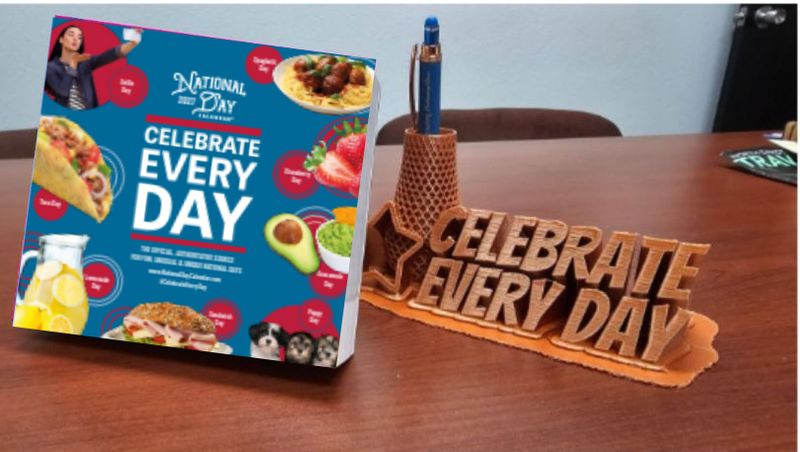 2027 National Day Desk CalendarA new celebration every morning. Daily tear-off.
Never miss a reason to celebrate.
One quick morning email with today's celebrations, ideas and posters. Free, unsubscribe anytime.
🎉 You're on the list! Watch your inbox for The Daily Confetti.