





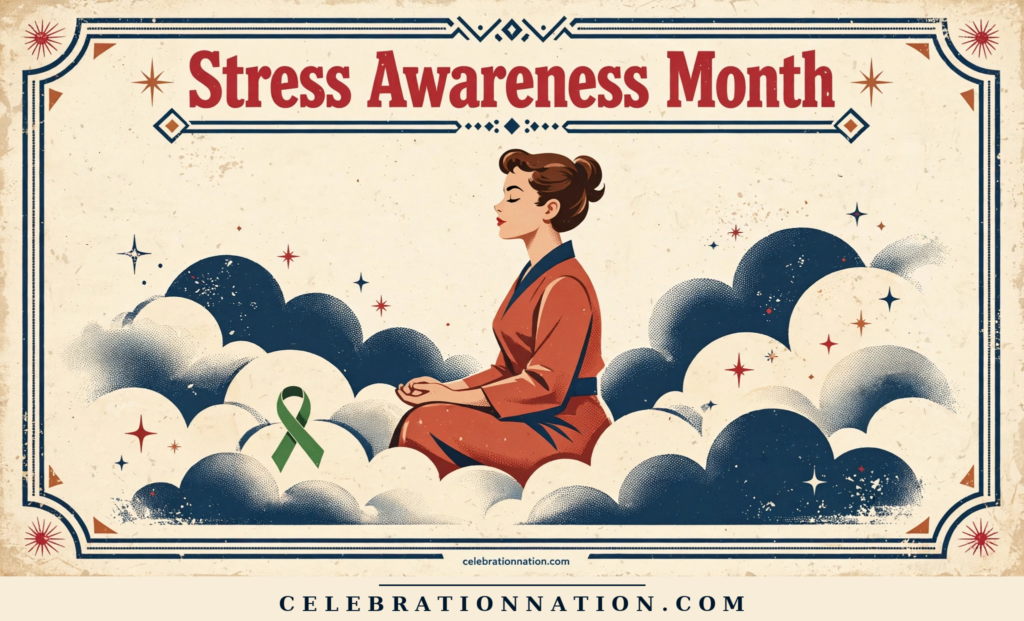
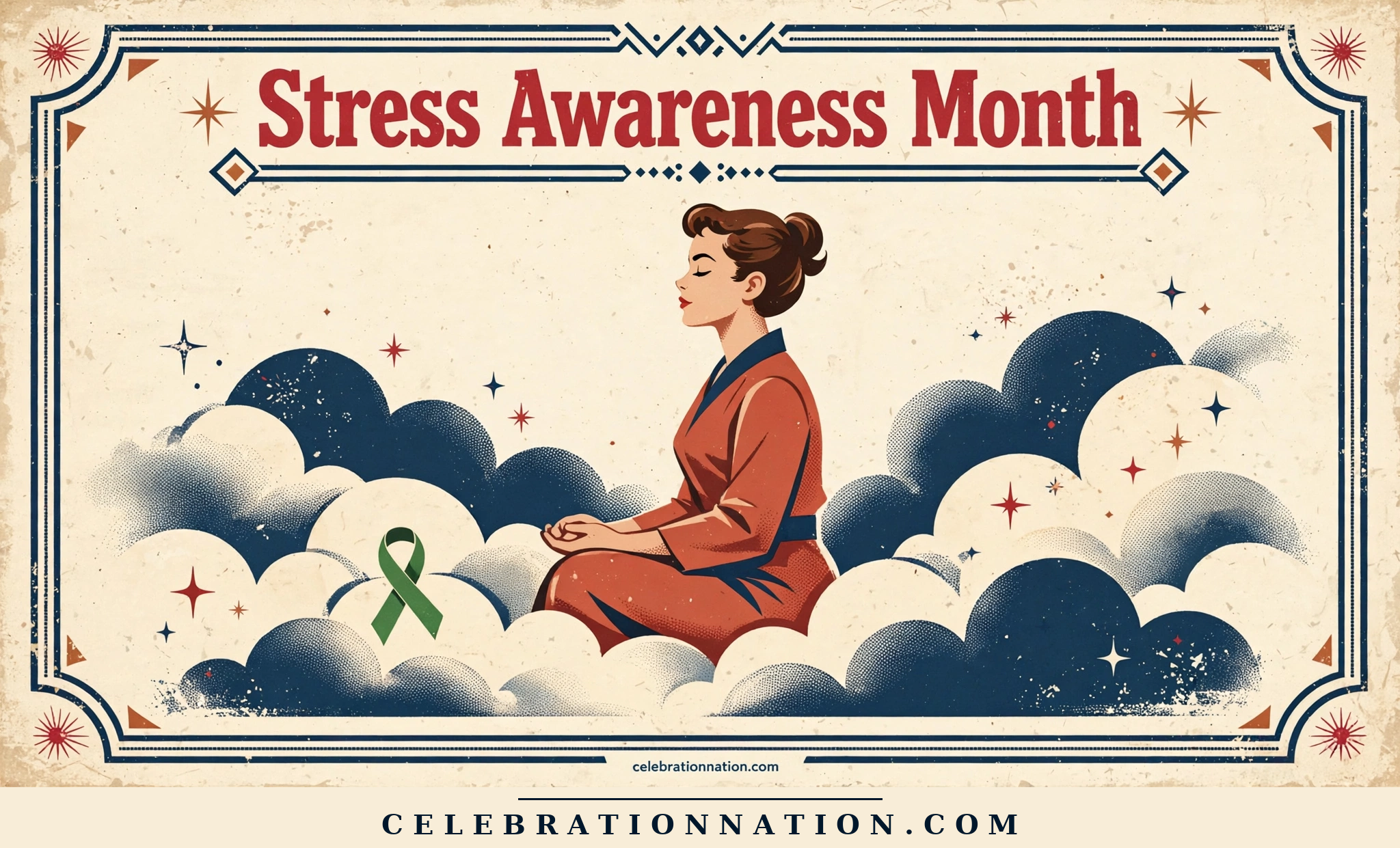
Stress Awareness Month
Stress Awareness Month is a hand extended — to the patients, caregivers, researchers, and families living with stress awareness.
- Roots
- Established in 1992
- Vibe
- Supportive and educational
- Hashtag
- #StressAwarenessMonth
Ways to celebrate
Small, doable ways to celebrate Stress Awareness Month.
- Share one reputable resource with your network.
- Donate to a patient-led organization working on stress awareness.
- Check in on someone you know who's living with it.
- Book the screening or appointment you've been putting off.
- Listen more than you speak.
Fast facts
The story
Every April, Stress Awareness Month invites individuals to engage in conversations about mental health and the impact of stress on daily life. Since its inception in 1992, it has aimed to raise awareness about stress management techniques and the importance of mental well-being. With the hustle and bustle of modern life, understanding how stress affects us is more critical than ever.
Read the full story
Stress can show up as physical symptoms, including fatigue, headaches, and digestive issues. Stress can lead to severe health consequences, making it essential to address it proactively. This month provides an opportunity to learn about effective coping strategies, such as mindfulness, physical activity, and social support.
Communities and organizations across the nation host events and workshops throughout April, offering resources and guidance on managing stress. From seminars on stress reduction techniques to yoga classes and community walks, individuals can participate in activities that promote mental wellness. It's a time for solidarity and support, as many people face similar challenges in today's fast-paced world.
Internationally, countries recognize the importance of mental health, with various initiatives aimed at promoting well-being. For example, the United Kingdom observes Stress Awareness Day in November, while other nations focus on mental health through campaigns and community events. Stress Awareness Month serves to remind us that we are not alone in our struggles and that seeking help is a strength.
Worth knowing
Understand Your Stress
Recognize what triggers your stress and how it affects your life.
Practice Self-Care
Engage in activities that promote relaxation and well-being.
Talk About It
Share your feelings with friends, family, or professionals.
Grow Together
Support others in their journey to manage stress.
Did you know?
Origin of Stress Awareness Month
It has been observed every April since 1992.
Impact on Health
Chronic stress can lead to serious health issues like heart disease.
Stress Statistics
Money is a commonly cited source of stress.
Mindfulness Benefits
Mindfulness practices can help people manage stress.
Workplace Stress
Work is a common source of stress for many people.
Coping Strategies
Physical activity and social support are effective stress relievers.
Global Mental Health
Mental health challenges affect people in every part of the world.
Around the world
Every culture celebrates a little differently.
- USUnited StatesStress Awareness Month is observed nationwide, emphasizing mental health.
- CACanadaCanadians participate in mental health initiatives throughout April.
- GBUnited KingdomThe UK's Stress Management Society supports Stress Awareness Month each April.
- AUAustraliaAustralian communities promote well-being and stress management.
- DEGermanyGermany hosts various mental health awareness events.
- FRFranceMental health initiatives in France emphasize prevention and support.
Coming up next
See the calendar


Celebrate every day, all year
Official gear from the people who track 1,700+ celebrations.
Browse the shop 2027 Wall + Desk Calendar BundleCelebrate every day at home and at work.
Never miss a reason to celebrate.
One quick morning email with today's celebrations, ideas and posters. Free, unsubscribe anytime.
🎉 You're on the list! Watch your inbox for The Daily Confetti.