
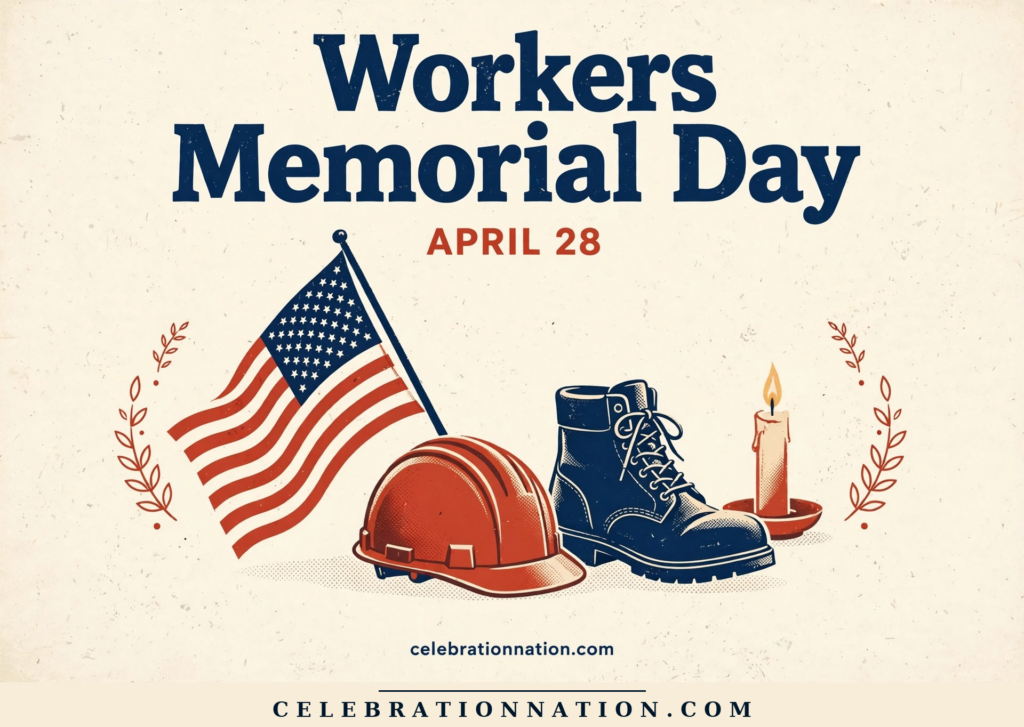
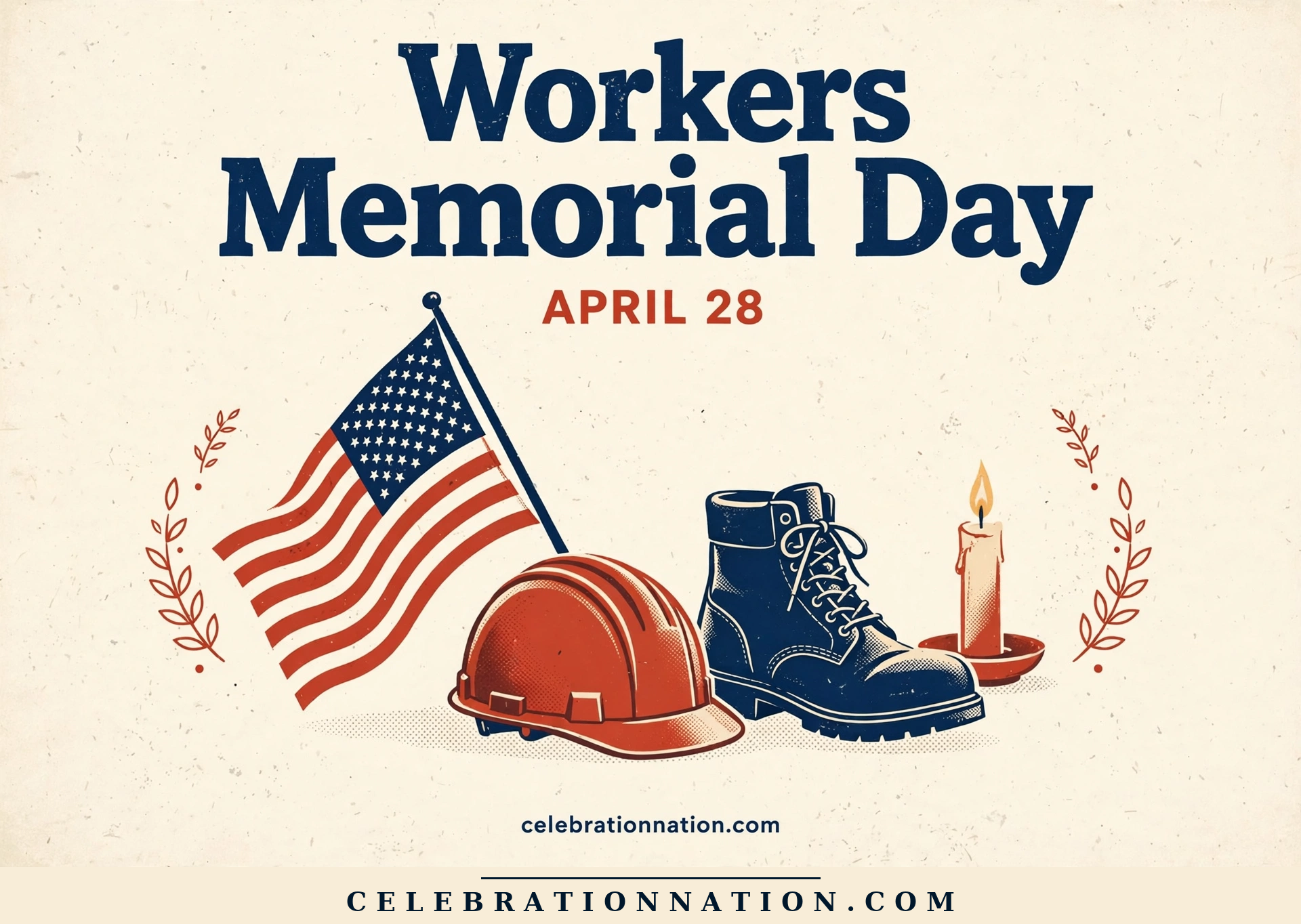
Workers’ Memorial Day
Workers’ Memorial Day is a day to pause, remember, and thank the people whose service made our ordinary days possible.
- Roots
- First observed in 1989
- Vibe
- Reflective and advocacy-driven
- Also on Apr 28
- World Day for Safety and Health at Work · Global Pay It Forward Day · Blueberry Pie Day
- Hashtag
- #Workers8217MemorialDay
Ways to celebrate
Small, doable ways to celebrate Workers’ Memorial Day.
- Send a note to someone who has served.
- Attend a local ceremony or observance if there is one.
- Fly a flag properly, or don't fly one you can't maintain.
- Donate to a veterans' service organization.
- Teach a kid one piece of local history they don't know yet.
Make it your kind of celebration
Family
Watch a documentary or read a local history piece together and discuss it.
Kids
Help them write a short thank-you card to a veteran or service member.
Couples
Attend a local ceremony or observance together.
Office
Host a moment of recognition — a short announcement, a card circulated, a donation drive.
School
Invite a local veteran to speak, or visit a nearby historic site.
Community
Volunteer with an organization that serves veterans and their families.
Just me
Read one first-person account by someone who served. Let it sit.
Plan ahead
Workers’ Memorial Day is observed on April 28 every year. Here is where it lands for the next ten years, handy for planners, marketers and party people.
Fast facts
The story
Workers' Memorial Day, observed annually on April 28, serves as a solemn reminder of the lives lost and injuries sustained while performing work duties. Established in 1989 by the American Federation of Labor and Congress of Industrial Organizations (AFL-CIO), the day is marked by memorial services, educational programs, and advocacy for safer working conditions across the United States. In recent years, the observance has gained international recognition, aligning with similar events globally, highlighting the universal need for workplace safety.
Read the full story
In the United States, statistics reveal that over 5,000 workers lose their lives each year due to workplace accidents, while more than 3 million suffer non-fatal injuries. These staggering numbers underscore the importance of safety regulations and the ongoing fight for workers' rights. Community events and memorials on this day aim to raise awareness and foster discussions about the pressing need for strong safety measures in various industries, from construction to healthcare.
As families gather to honor their loved ones, the day also serves as a call to action for policymakers and employers to prioritize the health and safety of workers. Many organizations take this opportunity to advocate for legislative changes that would enhance workplace safety standards, ensuring that no worker has to fear for their life when performing their job. Memorials often include moments of silence, readings, and the sharing of personal stories to honor those who have been lost.
Workers' Memorial Day is not just a day of remembrance; it is a powerful movement aimed at improving conditions for all workers. By coming together to honor the fallen, communities can galvanize support for ongoing safety initiatives and reinforce the message that every worker deserves a safe and healthy work environment. As we observe this day, we reaffirm our commitment to ensuring that all workers can perform their jobs without the threat of injury or death.
Did you know?
First Observance
Workers' Memorial Day was first held in 1989 in the U.S.
Global Recognition
It's recognized in over 100 countries worldwide.
Safety Regulations
The Occupational Safety and Health Act took effect on April 28, 1971, the date Workers' Memorial Day commemorates.
Historical Context
Workers' rights movements gained momentum in the early 20th century.
Annual Statistics
Approximately 4,500 workers die from job-related injuries each year in the U.S.
Memorial Services
Many cities host candlelight vigils on this day.
Advocacy Groups
Organizations like AFL-CIO lead the charge for workers' safety rights.
Around the world
Every culture celebrates a little differently.
- USUnited StatesHome to the first observance of Workers' Memorial Day.
- CACanadaCelebrates similar observances to honor workers.
- GBUnited KingdomHolds memorials for workers affected by workplace incidents.
- AUAustraliaParticipates in international safety awareness campaigns.
- MXMexicoAdvocates for workers' rights and safety regulations.
- ·InternationalObserved in various countries highlighting workplace safety.
Keep the party going
See the calendar
Celebrate every day, all year
Official gear from the people who track 1,700+ celebrations.
Browse the shop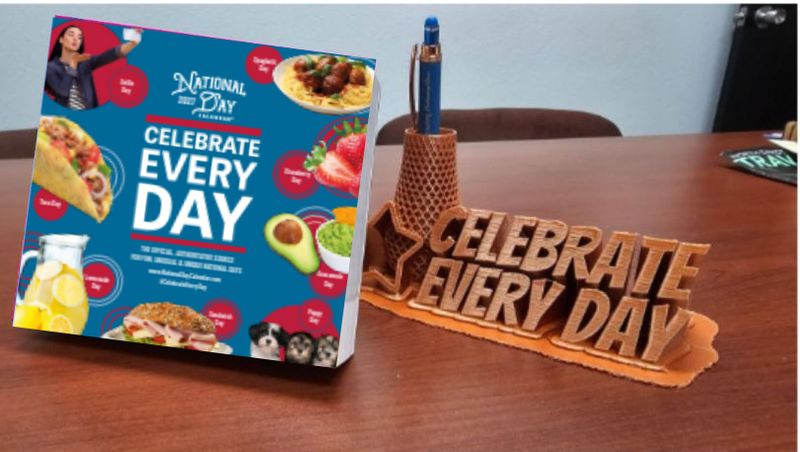 2027 National Day Desk CalendarA new celebration every morning. Daily tear-off.
Never miss a reason to celebrate.
One quick morning email with today's celebrations, ideas and posters. Free, unsubscribe anytime.
🎉 You're on the list! Watch your inbox for The Daily Confetti.