





Caffeine Addiction Recovery Month
Every October, coffee, tea, energy drink, and cola lovers are invited to take an honest look at their daily cup for Caffeine Addiction Recovery Month. Caffeine withdrawal is recognized in the DSM-5, and its symptoms, including headaches, fatigue, and irritability, can appear within 12 to 24 hours of cutting back. This month reminds us that a healthier relationship with caffeine is a goal within reach.
- Hashtag
- #CaffeineAddictionRecoveryMonth
CAFFEINE ADDICTION RECOVERY MONTH
Every October, coffee, tea, energy drink, and cola lovers are invited to take an honest look at their daily cup for Caffeine Addiction Recovery Month. Caffeine withdrawal is recognized in the DSM-5, and its symptoms, including headaches, fatigue, and irritability, can appear within 12 to 24 hours of cutting back. This month reminds us that a healthier relationship with caffeine is a goal within reach.
Caffeine Addiction Recovery Month is observed every October, beginning on October 1, the very same day as International Coffee Day. The overlap feels deliberate: a pointed invitation to the same audience celebrating coffee culture to spend the rest of the month examining their relationship with it. The observance is dedicated to the most widely consumed psychoactive substance in the world, and it asks a gentle question: has a daily habit tipped into dependence? No single founder is documented, which is common for awareness months that grew organically online. The message, however, is clear and kind: a healthier relationship with caffeine is an achievable goal. Throughout October, the campaign invites drinkers of all kinds to reflect on how much caffeine they take in, recognize the signs of physical dependence, and explore healthier habits at their own pace. The campaign treats caffeine reduction as a gradual, achievable goal rather than a strict ban, aimed at the general public rather than any single profession.
Caffeine is everywhere, which is why the question matters. An estimated 80 percent of adults worldwide consume caffeine daily, and in the United States about 90 percent of adults consume it regularly, with coffee the primary source for many. Studies have shown that 400 milligrams of caffeine in a healthy adult diet is considered safe, roughly the amount in a few cups of brewed coffee. For many people, that range is comfortable. For others, the cup count creeps higher, and the body begins to depend on the lift. Coffee remains the primary source for many, but tea, energy drinks, and cola all contribute to the daily total, often without people realizing how quickly it adds up.
Dependence has real, recognized effects. The Diagnostic and Statistical Manual of Mental Disorders recognizes caffeine withdrawal as a syndrome, acknowledging that sudden reduction brings genuine symptoms. Common withdrawal symptoms include headaches, fatigue, irritability, difficulty concentrating, and flu-like symptoms, which can appear within 12 to 24 hours after stopping. Heavy use has also been linked to disrupted sleep patterns, high blood pressure, and digestive problems. None of this makes caffeine a villain. It makes awareness worthwhile. Although caffeine is widely consumed and generally seen as harmless, the dependency can affect daily functioning and quality of life, from afternoon energy crashes to restless nights.
The Mayo Clinic lists several everyday reasons people choose to cut back: migraine headaches, insomnia, restlessness, irritability, rapid heartbeat, stomach issues, and anxiety. People taking medications that interact with caffeine may also need to discuss options with their doctors. Because caffeine hides in coffee, tea, energy drinks, cola, chocolate, and some medications, many people consume more than they realize. Tracking intake for a week is often an eye-opening first step. Those who suffer from side effects or take medications that interact with caffeine may need to curb their caffeine habit and discuss other options with a healthcare provider.
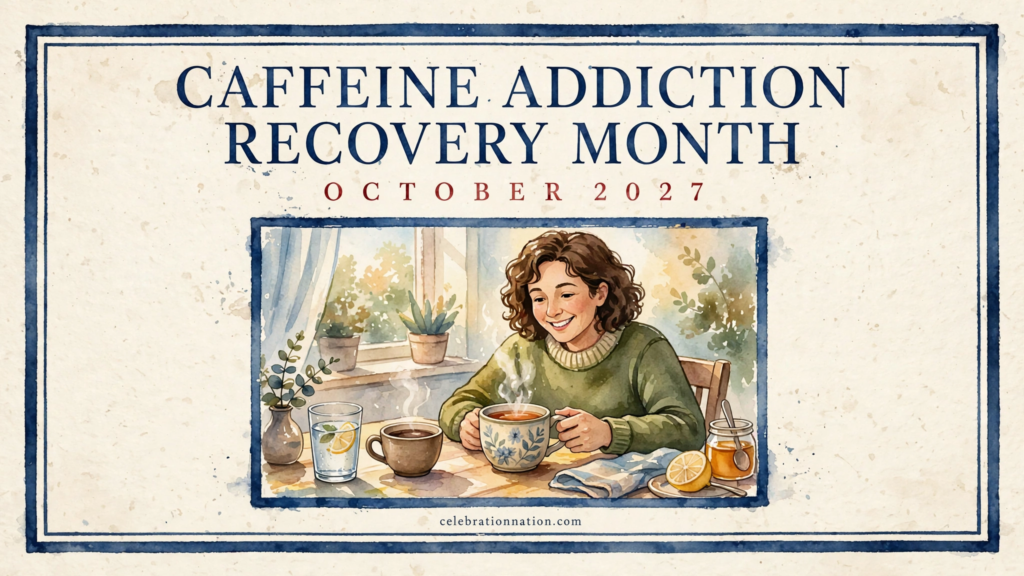
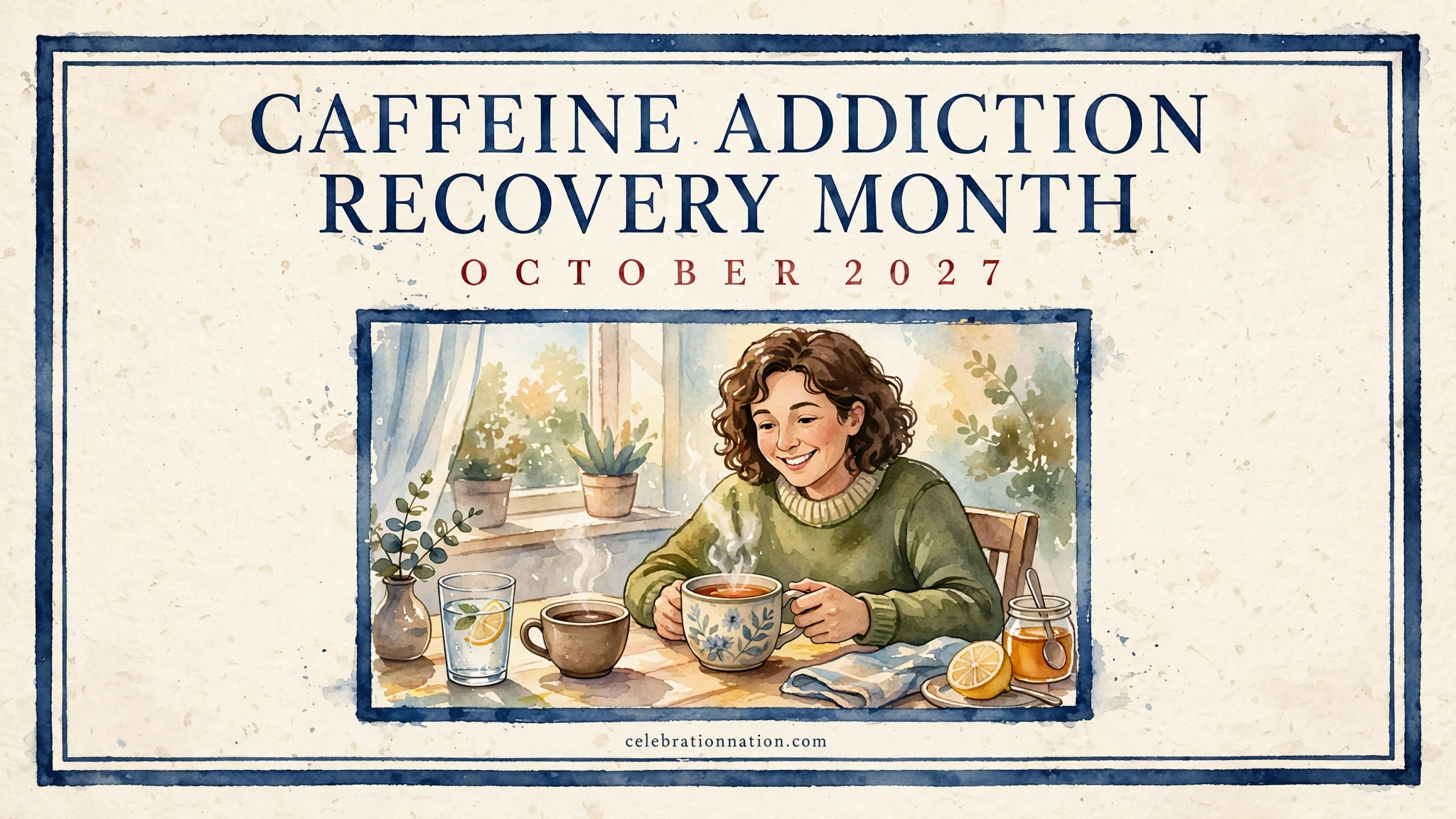
The month’s approach is gradual, not drastic. Experts advise reducing intake slowly rather than stopping suddenly, which helps avoid or lessen withdrawal symptoms. Practical strategies include replacing caffeinated drinks with non-caffeinated alternatives such as sparkling water, herbal teas, or lemon water, getting adequate sleep, and staying hydrated. Morning and afternoon walks, five-minute desk stretches, and carob powder as a chocolate-like alternative all offer rituals to replace the old ones. The goal is a balanced relationship, not a strict ban. Replacing caffeinated drinks with non-caffeinated alternatives, ensuring adequate sleep, and staying hydrated can all aid the process of cutting back gently. Many people find that a short walk, a glass of cold water with lemon, or a few minutes of stretching delivers the reset they used to seek in a refill.
October also offers a chance to support others. Friends and family members who are cutting back do better with encouragement than with judgment, and workplaces can help by offering appealing caffeine-free options. Sharing the journey on social media with #CaffeineAddictionRecoveryMonth connects people who are making the same change. Recovery, in this context, is simply the quiet work of noticing a habit and choosing what serves you better. The month is aimed at the general public rather than any single profession, and it welcomes anyone who simply wants to feel more rested, calmer, and in control of their energy. Businesses can also partner with local health organizations to promote awareness campaigns and support groups throughout October, encouraging a balanced approach to energy and well-being.
Caffeine Addiction Recovery Month does not ask anyone to give up what they love. It asks for honesty: how much are you really consuming, and how does it make you feel? The answers are personal, and the pace is yours to set. This October, try one swap, track one week, or simply notice the cup in your hand. Small, steady changes are how lasting habits are built. Whether the goal is fewer cups, better sleep, or simply knowing your number, October is a fitting time to begin, and every honest cup counted is a step toward balance.
THE STORY BEHIND CAFFEINE ADDICTION RECOVERY MONTH
📅 Every October
Caffeine Addiction Recovery Month runs the whole month of October, beginning on October 1. The observance is aimed at the general public rather than any single profession.
☕ The Coffee Day Contrast
The month begins on International Coffee Day, a deliberate-feeling contrast between celebrating coffee culture and reflecting on dependence. Observers suggest simple starts: skip the coffee for decaf or water, take a walk instead, or keep a diary of weekly caffeine intake.
📢 Recognized Withdrawal
The DSM-5 recognizes caffeine withdrawal as a syndrome, confirming that dependence and withdrawal effects are real. Symptoms can appear within 12 to 24 hours after stopping caffeine.
👥 90 Percent
About 90 percent of adults in the United States consume caffeine regularly, making it the most widely consumed psychoactive substance in the world. Globally, an estimated 80 percent of adults consume caffeine daily.
🕐 A Gentle Goal
The observance treats caffeine reduction as a gradual, achievable goal rather than a strict ban. Awareness and education offer a foundation for making informed decisions about caffeine use.
WAYS TO CELEBRATE
☕ Track Your Intake
Keep a simple diary of every caffeinated drink you have for one week and see the real total laid out in front of you.
🥀 Swap One Cup
Replace one daily coffee or energy drink with herbal tea, sparkling water, or lemon water and notice how you feel.
🕐 Take a Walk Break
When the mid-morning coffee urge hits, take a walk around the block with a friend instead and enjoy the natural lift.
Celebrate Caffeine Addiction Recovery Month
All through October 2027, take an honest look at your daily cup and take one gentle step toward balance. Track your intake, swap one drink, or trade a coffee break for a walk. A healthier relationship with caffeine is built one small choice at a time. This October, choose the change that serves you best. Notice the cup, count the cups, and take it one week at a time.
Coming up next
See the calendar



Celebrate every day, all year
Official gear from the people who track 1,700+ celebrations.
Browse the shop 2027 National Day Desk CalendarA new celebration every morning. Daily tear-off.
Never miss a reason to celebrate.
One quick morning email with today's celebrations, ideas and posters. Free, unsubscribe anytime.
🎉 You're on the list! Watch your inbox for The Daily Confetti.