

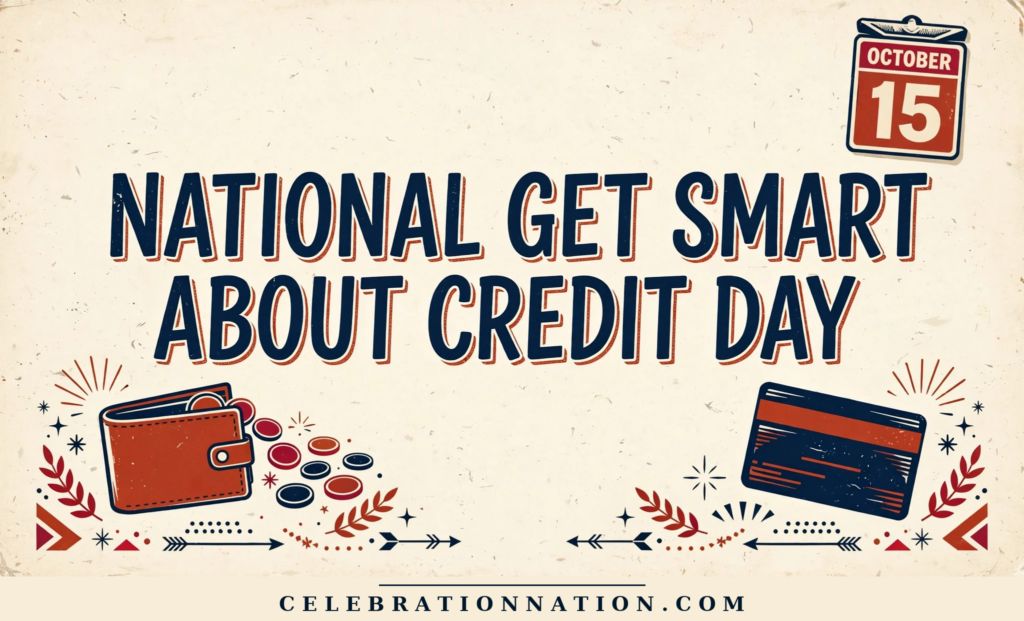
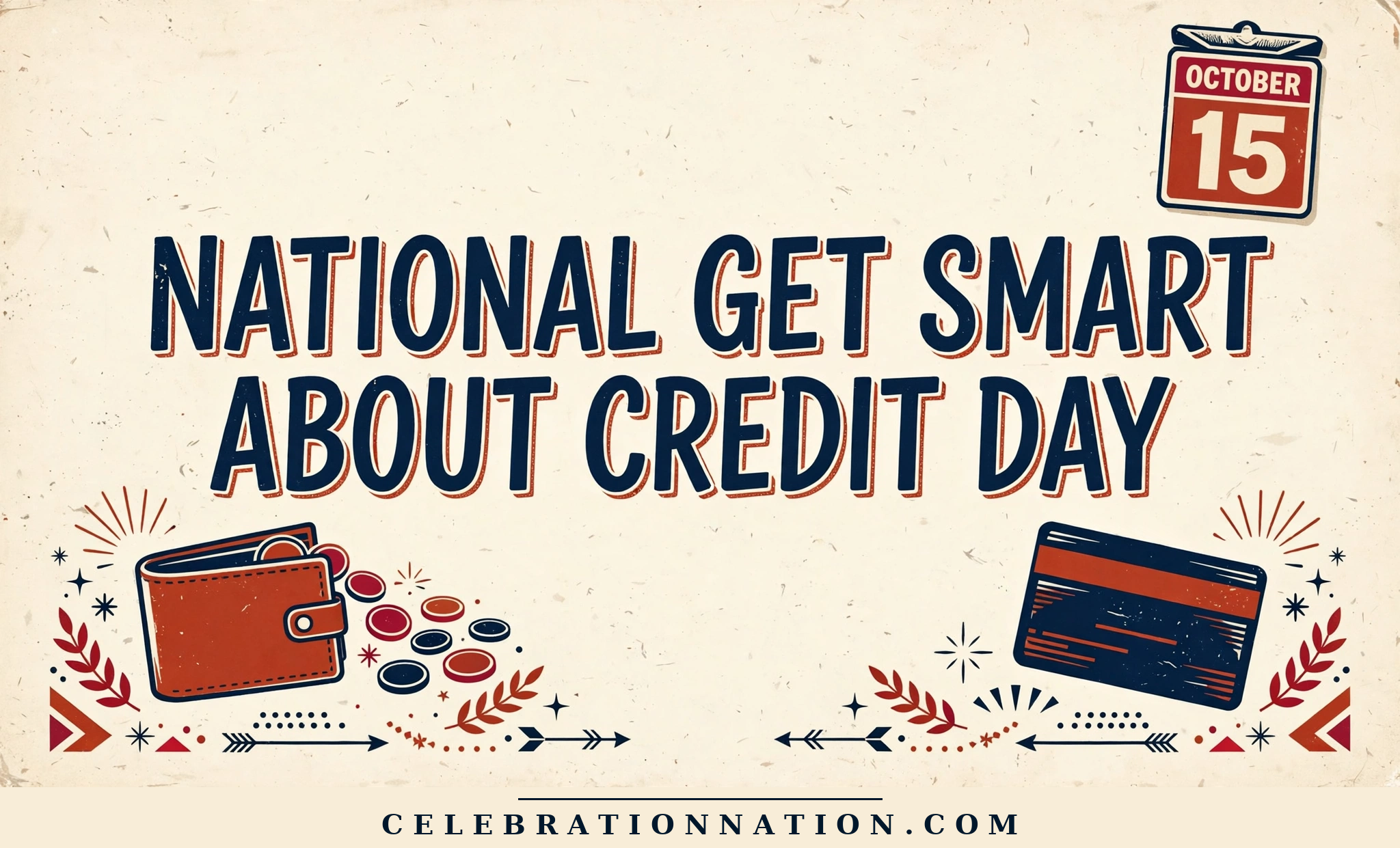
National Get Smart About Credit Day
This day serves as a reminder to empower yourself with credit knowledge.
- Roots
- Established in 2003 by the American Bankers Association
- Vibe
- A day focused on empowerment through financial education.
- Also on Oct 15
- International Day of Rural Women · International Shakeout Day · Aesthetician Day
- Hashtag
- #NationalGetSmartAboutCreditDay
3 ways to celebrate
Check your credit report
Pull your free report and review it line by line.
Swap budgeting tips
Share the money habits that actually work for you.
Host a finance talk
Invite an expert to explain credit scores simply.
Plan ahead
National Get Smart About Credit Day is observed on the third Thursday in October. Here is where it lands for the next ten years, handy for planners, marketers and party people.
Fast facts
The story
National Get Smart About Credit Day was created to raise awareness about the importance of understanding credit management. Managed by the American Bankers Association, this day highlights the need for financial literacy in a world where credit plays a crucial role in our lives. By demystifying credit, individuals can make informed decisions regarding loans, mortgages, and even job applications.
Read the full story
Across the United States, many organizations take part in this initiative by hosting workshops, webinars, and community events. These educational efforts aim to equip individuals with the tools necessary to navigate their credit journeys. For instance, local banks and credit unions often provide resources to help consumers understand their credit reports and scores.
On this day, one of the key messages is that knowledge is power, especially when it comes to managing credit. By understanding how credit works, consumers can improve their financial health and make better choices. This includes knowing the factors that affect credit scores, such as payment history and credit utilization. Having a solid grasp of these concepts can lead to more favorable lending terms and lower interest rates. Ultimately, it’s about securing a brighter financial future.
As more people engage with credit education, the potential for collective financial well-being increases. National Get Smart About Credit Day encourages individuals to take charge of their credit and to share that knowledge within their communities. By fostering conversations around credit management, we can create a culture of financial responsibility that benefits all.
Did you know?
How Many Score Ranges?
Credit scores generally range from 300 to 850, with higher scores reflecting better creditworthiness.
Impact of Late Payments
A single late payment can lower your credit score by 100 points or more.
Credit Utilization Ratio
Experts recommend keeping your credit utilization below 30% of your total available credit.
Millennial Credit Trends
Millennials are increasingly aware of their credit scores, with many checking them regularly.
Credit Freeze Facts
Freezing your credit can help prevent identity theft, as it restricts access to your credit report.
Role of Credit Bureaus
In the U.S., the three major credit bureaus are Experian, TransUnion, and Equifax.
First Credit Card
The first credit card was issued in 1950 by Diners Club, originally for dining out.
Around the world
Every culture celebrates a little differently.
- USUnited StatesThe primary focus of National Get Smart About Credit Day.
- CACanadaCanadians also benefit from understanding credit management.
- GBUnited KingdomSimilar financial literacy initiatives exist in the UK.
- AUAustraliaAustralia promotes credit education through various programs.
- DEGermanyGermany emphasizes financial literacy in schools and communities.
- FRFranceFrance has initiatives aimed at improving citizens' understanding of credit.
Keep the party going
See the calendar
Celebrate every day, all year
Official gear from the people who track 1,700+ celebrations.
Browse the shop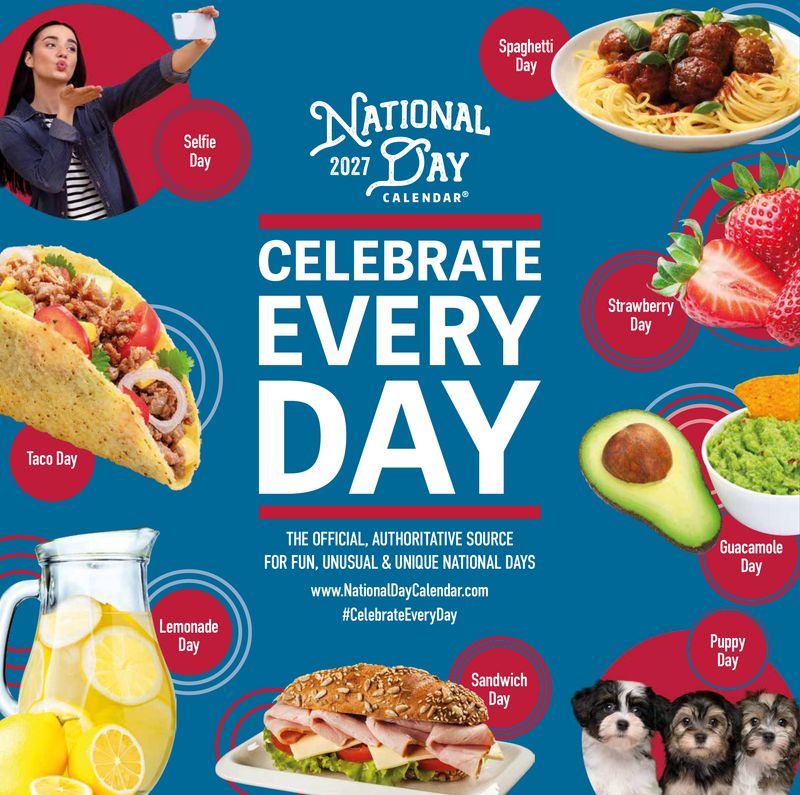 2027 National Day Wall CalendarGet the 2026 edition free. 1,700+ observances.
Never miss a reason to celebrate.
One quick morning email with today's celebrations, ideas and posters. Free, unsubscribe anytime.
🎉 You're on the list! Watch your inbox for The Daily Confetti.