


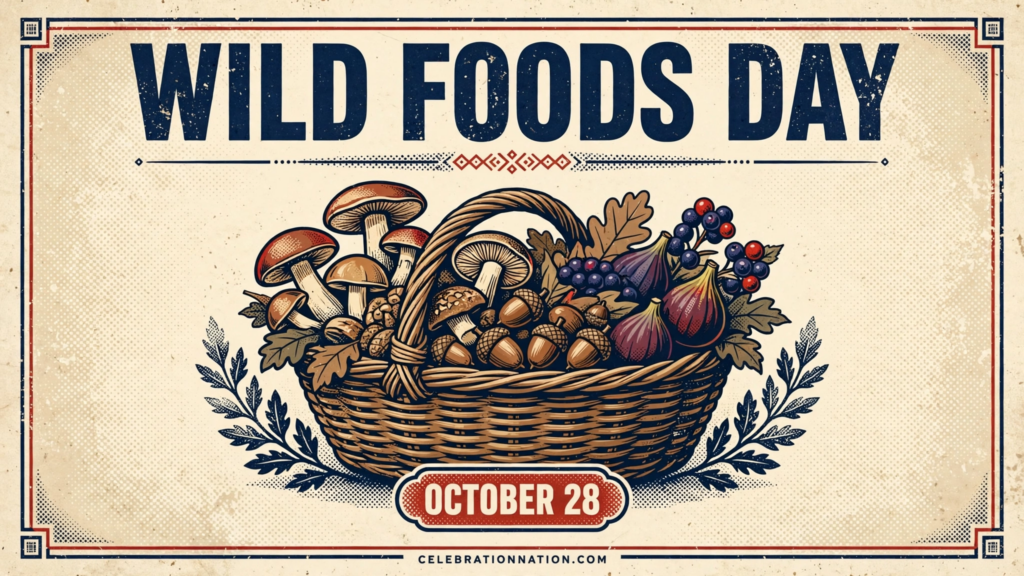
Wild Foods Day
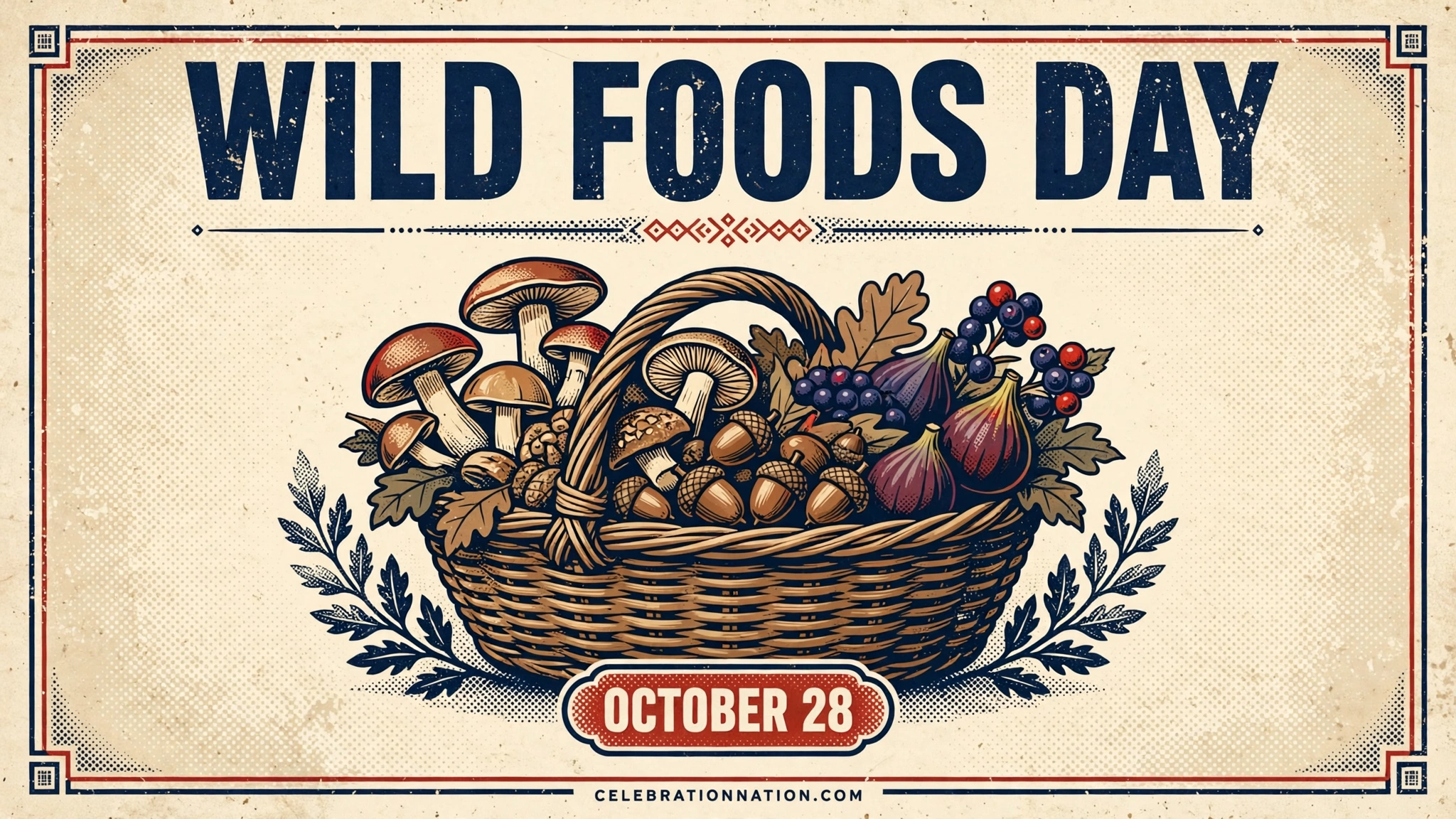
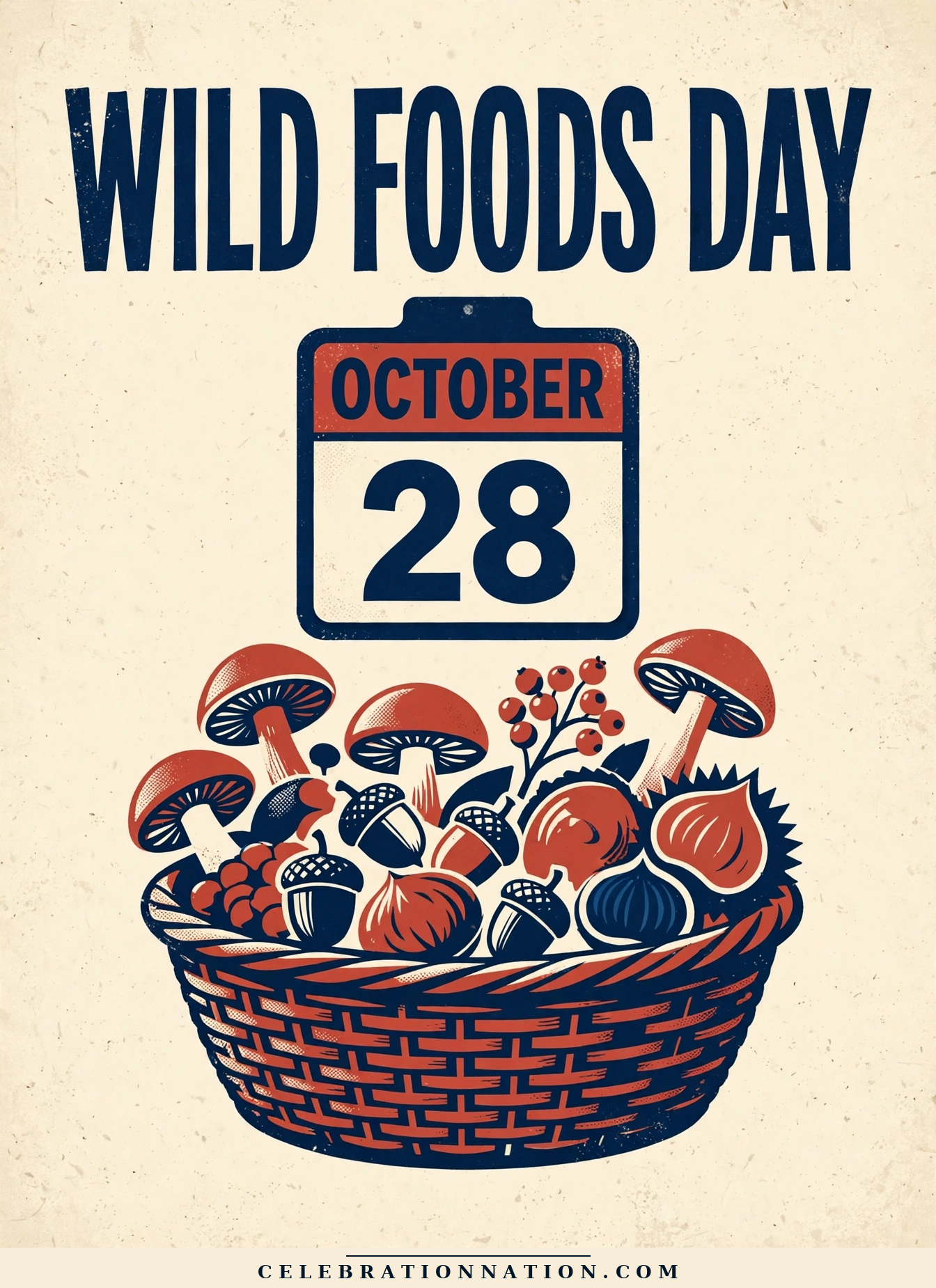
Wild Foods Day reminds us to appreciate the natural world and its offerings.
- Roots
- Inspired by forager Euell Gibbons
- Vibe
- Community-focused, educational, and adventurous
- Also on Oct 28
- International Animation Day · Chocolate Day · First Responders Day
- Hashtag
- #WildFoodsDay
3 ways to celebrate
Cook something wild
Try mushrooms, wild greens or game from a trusted market.
Host a wild potluck
Everyone brings a dish made with an unusual, foraged-style ingredient.
Share a wild snack
Bring hickory nuts, dried berries or jerky for coworkers to try.
Plan ahead
Wild Foods Day is observed on October 28 every year. Here is where it lands for the next ten years, handy for planners, marketers and party people.
Fast facts
The story
Wild Foods Day, observed annually on October 28, celebrates the practice of foraging for wild edibles. This day encourages individuals and families to immerse themselves in nature, discovering the rich variety of plants that grow in their local environments. From dandelion greens to wild berries, the day emphasizes not only the joy of cooking with these ingredients but also the importance of understanding and respecting nature.
Read the full story
The tradition of foraging has its roots deep in American history, harking back to Indigenous practices and early settlers who relied on the land for sustenance. This day aims to revive interest in these age-old practices, fostering a connection to the land and promoting sustainability. Today, several organizations and local communities hold events to educate the public on safe foraging methods and the ecological benefits of wild foods.
For those unfamiliar with foraging, Wild Foods Day provides an excellent opportunity to learn about edible plants and their uses. Workshops often feature hands-on activities, such as plant identification and cooking demonstrations. As participants gather wild greens or mushrooms, they gain insight into the natural cycles of growth and the importance of biodiversity. It’s a chance to appreciate the earth’s abundance while developing skills that can benefit both individuals and the environment.
Finally, Wild Foods Day is about more than just food, it's a celebration of community and the shared experience of exploring the outdoors together. Whether you are with family, friends, or fellow foragers, this day serves as a reminder of the connections we forge, not only with each other but with the natural world around us. Engaging in these activities can foster a deeper appreciation for the environment and inspire a lifelong love for wild foods.
Did you know?
Dandelions are Edible
Every part of the dandelion is edible, from root to flower.
Mushroom Foraging
Some wild mushrooms can be deadly; always verify.
Foraging History
Foraging dates back thousands of years to ancient cultures.
Wild Foods Festivals
Many towns host festivals celebrating wild foods.
Health Benefits
Wild foods are often richer in nutrients than cultivated varieties.
Local Laws
Always check local regulations about foraging.
Seasonal Delights
Different wild edibles are available throughout the year.
Around the world
Every culture celebrates a little differently.
- USNortheast USARich in diverse flora, perfect for foraging.
- USPacific NorthwestKnown for its mushrooms and wild berries.
- USSoutheast USAHome to a variety of edible plants.
- USMidwest USAExplore fields and forests for wild greens.
- USSouthwest USADiscover unique desert plants and cacti.
- USRocky MountainsForage high-altitude wildflowers and herbs.
Keep the party going
See the calendar
Celebrate every day, all year
Official gear from the people who track 1,700+ celebrations.
Browse the shop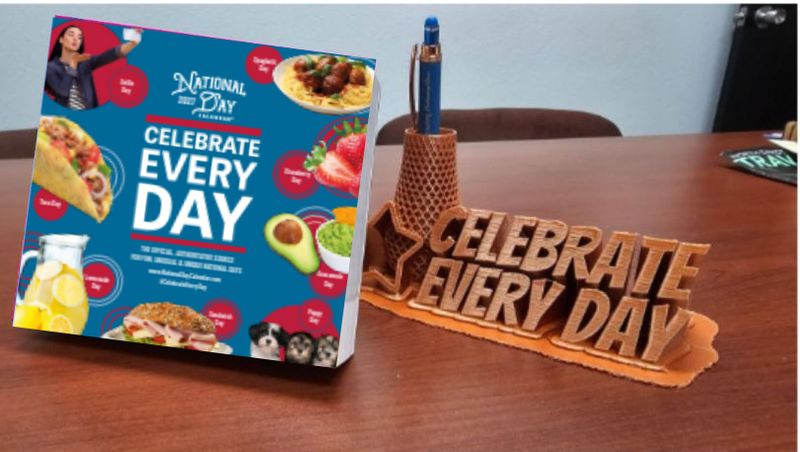 2027 National Day Desk CalendarA new celebration every morning. Daily tear-off.
Never miss a reason to celebrate.
One quick morning email with today's celebrations, ideas and posters. Free, unsubscribe anytime.
🎉 You're on the list! Watch your inbox for The Daily Confetti.