




Yom Kippur
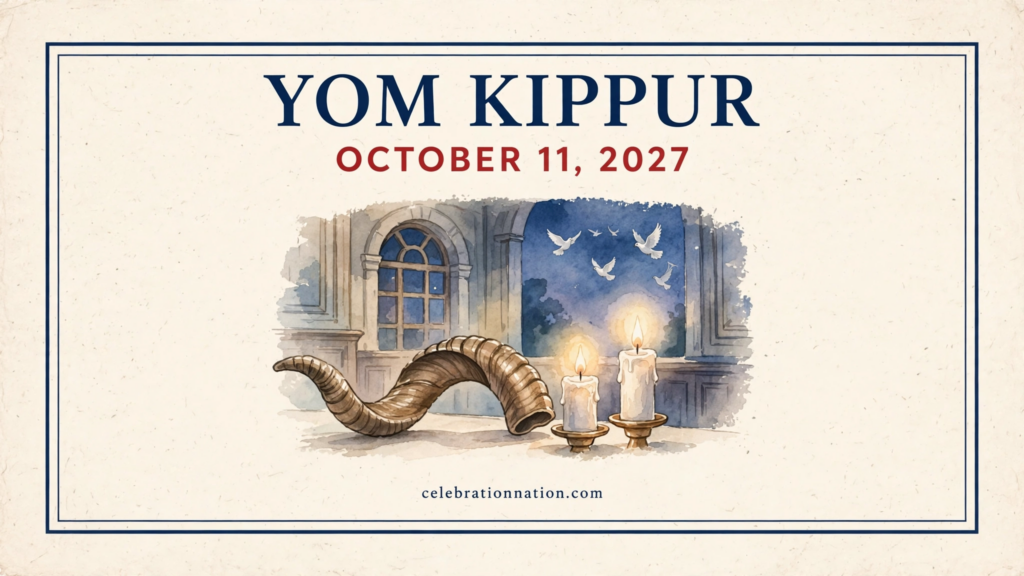
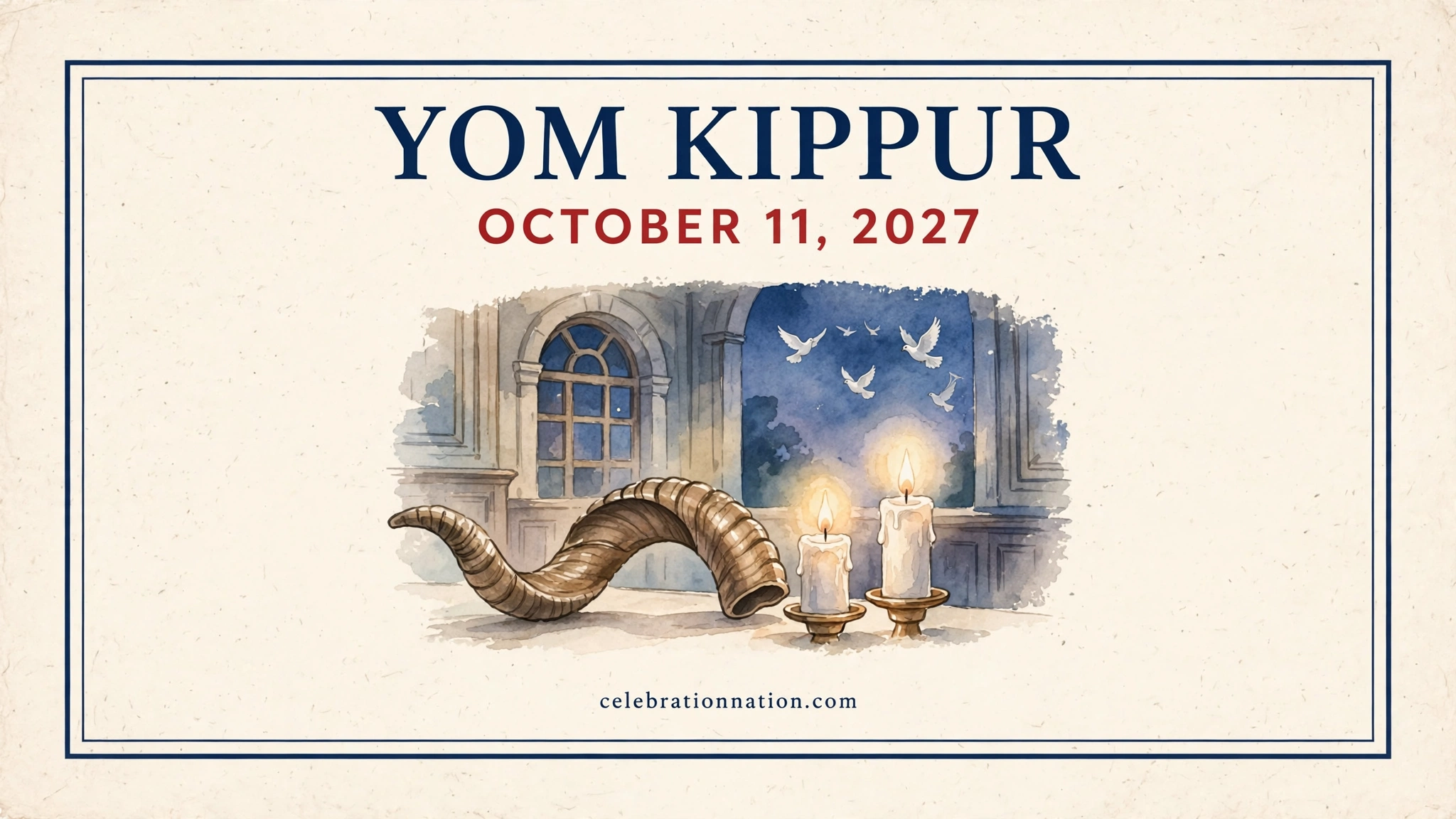
Every year on the 10th of Tishrei, the Jewish world enters its holiest day: twenty-five hours of fasting, prayer, and repentance known as the Day of Atonement. Synagogues fill from evening until nightfall as the Ten Days of Repentance reach their solemn climax. In 2027 Yom Kippur falls on Monday, October 11, beginning at sundown on Sunday, October 10. This is Yom Kippur, a day of reflection, forgiveness, and renewal.
- Hashtag
- #YomKippur
YOM KIPPUR
Every year on the 10th of Tishrei, the Jewish world enters its holiest day: twenty-five hours of fasting, prayer, and repentance known as the Day of Atonement. Synagogues fill from evening until nightfall as the Ten Days of Repentance reach their solemn climax. In 2027 Yom Kippur falls on Monday, October 11, beginning at sundown on Sunday, October 10. This is Yom Kippur, a day of reflection, forgiveness, and renewal.
Yom Kippur, the Day of Atonement, is the holiest day of the Jewish year. It is the culmination of the Ten Days of Repentance that begin with Rosh Hashanah, the Jewish New Year, which falls on October 2 in 2027. According to tradition, on Rosh Hashanah God inscribes each person’s fate for the coming year, and on Yom Kippur that judgment is sealed. The traditional greeting of the season carries the hope at the heart of the day: “Gmar chatima tova,” may you be sealed in the Book of Life for good.
The day is observed with a complete fast that runs from just before sunset until nightfall the following day, about twenty-five hours without food or drink. Traditional observance goes further, abstaining from washing, cosmetics, leather shoes, and marital relations, stripping away physical comforts so that nothing distracts from the work of the soul. Many worshippers wear white, sometimes the traditional kittel robe, as a symbol of purity and humility. Believers spend most of the day in the synagogue, and even Jews who observe little else during the year often observe this day.
Prayer gives the day its structure: five services carry worshippers from evening to nightfall. It begins with Kol Nidre on the eve, continues with Shacharit in the morning, then Musaf, then Mincha, which includes the reading of the Book of Jonah, and closes with Neilah, the final service of sealing. The day ends as it must, with the blowing of the shofar, a single long blast that releases the congregation back into the world and into the new year.
At the center of Yom Kippur stands a demanding and beautiful teaching: a person must make peace with fellow human beings before seeking forgiveness from God. The days leading up to the fast are spent honestly reckoning with the past year, apologizing to anyone who was wronged, making amends where amends can be made, and giving charity. The fast itself is the vessel for this accounting, a full day set apart to face oneself clearly and to begin again.
Around the world, the day is kept with deep reverence. In Israel, Yom Kippur is a public holiday and the entire country comes to a standstill. Friends, colleagues, and neighbors of those observing can honor the day simply: wish them an easy fast or offer a warm “Gmar chatima tova,” keep plans quiet and unhurried, and respect the solemnity of these twenty-five hours. However it is observed, Yom Kippur asks the same question of everyone: whom do you need to forgive, and from whom do you need forgiveness, before the new year truly begins?
The Book of Jonah, read during the Mincha afternoon service, gives the day one of its most beloved texts. Jonah’s story of repentance, a prophet who fled from his calling and found his way back, mirrors the journey every worshipper is asked to make: to stop running from hard truths, to turn around, and to return. The afternoon light fades as the reading ends, and the congregation gathers its strength for Neilah, the closing service whose name means the shutting of the gates, the last chance to be sealed for good before the day ends.
For those who do not observe, the kindest participation is simple respect. The common greeting is an easy one: wish someone a meaningful fast, or offer the traditional “Gmar chatima tova.” Keep the day’s plans quiet, avoid scheduling celebrations or loud gatherings with observant friends and colleagues, and understand that many will be offline, in synagogue, or with family from sundown to nightfall. A little thoughtfulness goes a long way on the holiest day of the year.
When nightfall finally comes, the release is palpable. The shofar’s long blast ends the fast, and families and communities gather for the break-fast meal, a festive table that tastes all the sweeter for the day of restraint behind it. The gates are understood to be closed, the judgment sealed, and the new year truly begun. What remains is the quiet resolve the day was designed to build: to carry its clarity forward, to do better by others and by oneself, one day at a time, until the cycle of repentance and renewal comes around again.
The evening begins with one of the most haunting sounds in religious life. Kol Nidre, the Aramaic declaration chanted by the cantor before the ark, annuls the vows made to God in the year gone by, clearing the spiritual ledger before the accounting begins. Sung to a melody centuries old, it sets the tone for everything that follows: solemn, searching, and utterly sincere. Even those unfamiliar with the words feel their weight in the music alone.
The fast itself is traditionally observed by adults; children below bar and bat mitzvah age do not fast, though many families draw them into the day’s reflection in gentler ways. The old, the ill, and pregnant women are likewise exempted or guided by their rabbi and doctor, because the tradition has always held that preserving life comes first. Yom Kippur asks for honesty, not heroics: the day’s power lies in the sincerity of the reckoning, not in the severity of the fast.
The morning also holds the Yizkor memorial service, when the congregation remembers parents, spouses, and loved ones who have died. It is one of only four times in the year that Yizkor is recited, and on Yom Kippur it carries special weight: memory itself becomes part of repentance, as the living resolve to honor the dead by living better. Many stay in the sanctuary for it even if they step out for other memorial services, unwilling to miss this quiet hour of remembrance.
THE STORY BEHIND YOM KIPPUR
📜 The Holiest Day
Yom Kippur, the Day of Atonement, falls on 10 Tishrei, the tenth day of the seventh month of the Hebrew calendar. It is the holiest day of the Jewish year and the culmination of the Ten Days of Repentance.
🌄 Twenty-Five Hours
The fast runs from just before sunset until nightfall the next day, about twenty-five hours without food or drink. In 2027 it begins on the evening of Sunday, October 10 and ends on Monday, October 11.
🕯 Five Services
Prayer structures the day: Kol Nidre on the eve, Shacharit in the morning, Musaf, Mincha with the reading of the Book of Jonah, and Neilah, the closing service. The shofar blast ends the fast.
🦂 Dressed in White
Many worshippers wear white garments, sometimes the traditional kittel robe, as a symbol of purity and humility before the day of judgment.
🤝 Forgiveness Comes First
Tradition teaches that one must seek forgiveness from people who were wronged before asking it of God, so the days before the fast are spent apologizing and making amends.
📖 Sealed for Good
On Yom Kippur the fate inscribed on Rosh Hashanah is sealed for the coming year. The greeting “Gmar chatima tova” wishes: may you be sealed in the Book of Life for good.
WAYS TO OBSERVE
🕯 Prepare With Intention
At home, light the holiday candles before sundown on October 10, set aside distractions and devices, and enter the fast with a quiet, reflective mind.
🕊 Join the Community in Prayer
Attend Kol Nidre in the evening or Neilah at day’s end. Synagogues around the world welcome all who come to reflect, repent, and begin the year anew.
🤝 Make Amends
Before the fast begins, reach out to anyone you have wronged in the past year. Apologize sincerely, make what amends you can, and start the new year with a clear heart.
Observe Yom Kippur
On October 11, 2027, may the fast be meaningful and the year ahead bring clarity and peace. Gmar chatima tova: may you be sealed in the Book of Life for good.
Plan ahead
Yom Kippur moves each year (Need to check the date each year. Changes according to the Jewish calendar.). This year it is Monday, October 11, 2027. Check back for future years.
Keep the party going
See the calendar

Celebrate every day, all year
Official gear from the people who track 1,700+ celebrations.
Browse the shop National Day Celebration Card GameA party in a box, any day of the year.
Never miss a reason to celebrate.
One quick morning email with today's celebrations, ideas and posters. Free, unsubscribe anytime.
🎉 You're on the list! Watch your inbox for The Daily Confetti.