





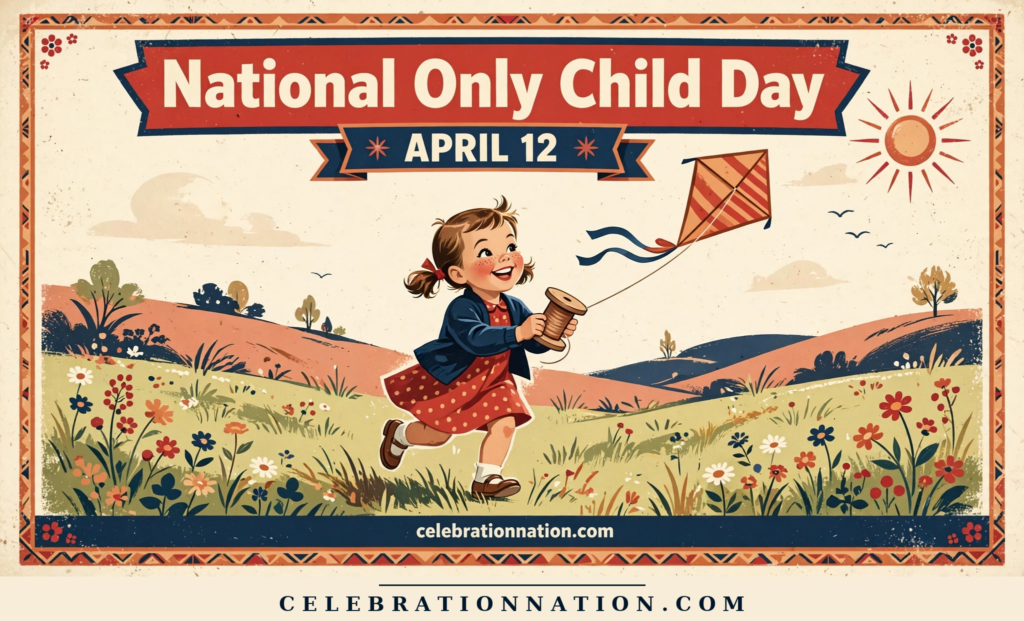
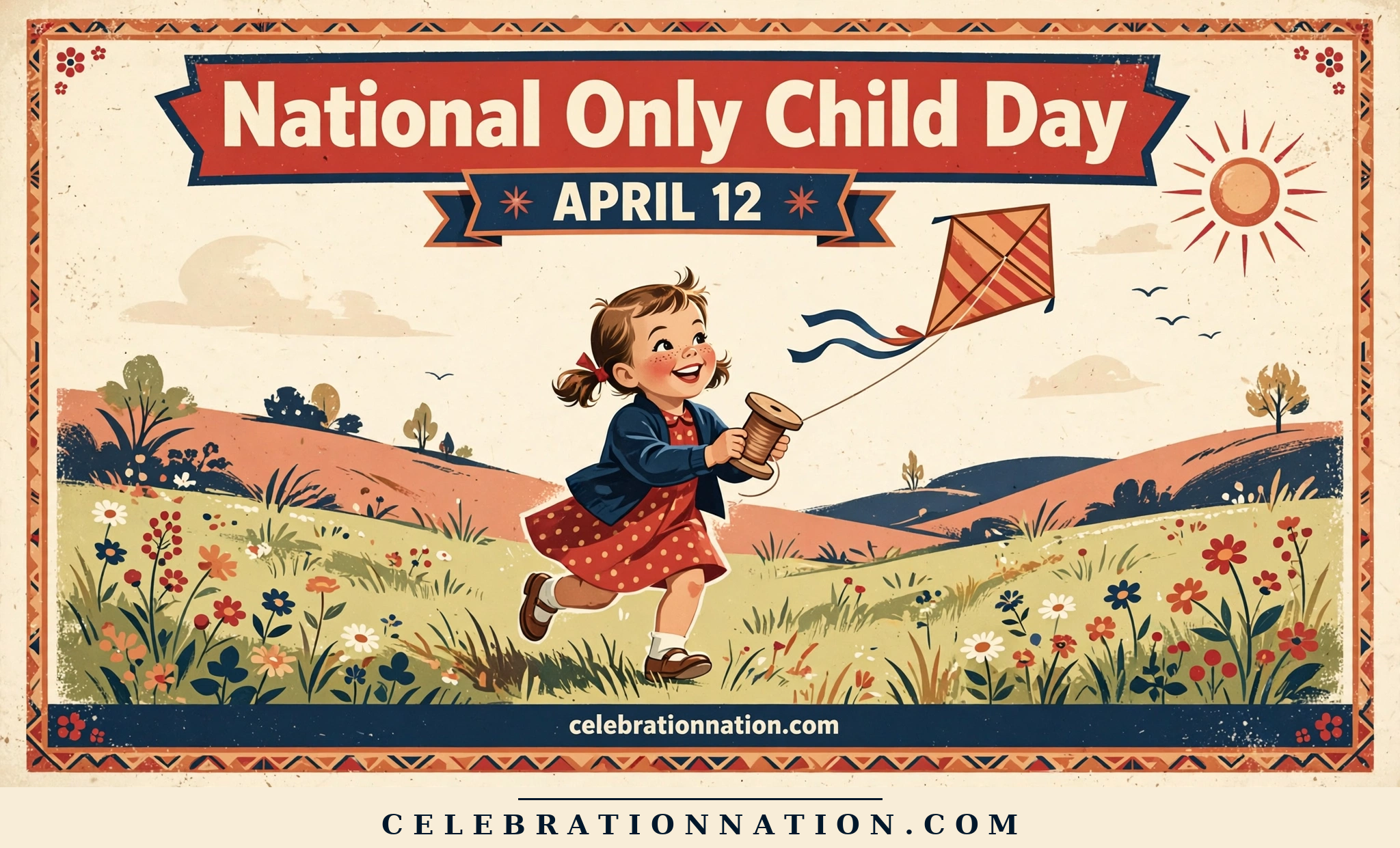
National Only Child Day
National Only Child Day is a small, loud, joyful reminder that kids are not the future — they're the present, and they're here.
- Roots
- Established to honor the experiences of only children
- Vibe
- A celebration of independence and individuality
- Also on Apr 12
- International Day for Human Space Flight · International Day of Street Children · Record Store Day
- Hashtag
- #NationalOnlyChildDay
Ways to celebrate
Small, doable ways to celebrate National Only Child Day.
- Put the phone away for an hour and follow their lead.
- Let them pick dinner, the music, or the route.
- Tell them one new story about someone in your family.
- Do one boring parenting task as a small event — folding, bath, bedtime.
- Send a photo of them to someone who'd love it.
Make it your kind of celebration
Family
Make one hour entirely kid-led. Do whatever they pick.
Kids
Let them plan the activity and see it through.
Couples
Trade one parenting chore you usually hate for a joint activity with the kids.
Office
Allow a little flex for parents on the calendar — school pickup matters.
School
Build a classroom tradition around the day — a story, a song, a simple ritual.
Community
Volunteer at a school, afterschool program, or youth center.
Just me
Reach out to a niece, nephew, godchild, or former student. Be seen.
Plan ahead
National Only Child Day is observed on April 12 every year. Here is where it lands for the next ten years, handy for planners, marketers and party people.
Fast facts
The story
National Only Child Day offers a moment to recognize the unique experiences of those who grow up without siblings. This observance, celebrated on April 12, encourages reflection on the distinct advantages and challenges faced by only children. From the freedom of having parents' undivided attention to the occasional feelings of loneliness, only children navigate a path that is quite different from their peers with siblings.
Read the full story
The phenomenon of being an only child is not limited to the United States. Globally, many cultures have seen a rise in the number of only children due to various social, economic, and personal factors. Countries such as China have experienced significant shifts due to policies affecting family size, while in places like Japan, the trend is similarly growing due to changing societal expectations.
Research shows that only children often develop strong self-reliance and creativity, traits that can be attributed to their upbringing. With fewer distractions and more opportunities for focused activities, only children frequently engage in hobbies and interests that cultivate their talents. For many, being an only child fosters a unique sense of independence that shapes their adult lives.
On this day, families and communities are encouraged to share stories, celebrate the individuality of only children, and recognize the diverse family structures that exist. Whether through personal reflections, gatherings, or community events, National Only Child Day serves as a reminder that every family dynamic is worthy of celebration.
Did you know?
Historical Context
The concept of only children has existed for centuries, influenced by cultural norms.
Famous Only Children
Notable only children include actors like Frank Sinatra and politicians like Franklin D. Roosevelt.
Psychological Insights
Studies suggest only children may excel in leadership roles.
Cultural Differences
In some cultures, being an only child is seen as a privilege.
Myths Debunked
Only children are often stereotyped as lonely, but many thrive socially.
Celebration Ideas
Families can create traditions to honor their only children.
Modern Trends
The number of only children is rising globally due to economic factors.
Around the world
Every culture celebrates a little differently.
- USUnited StatesHome to millions of only children, where family dynamics vary widely.
- CACanadaCelebrates the diverse experiences of only children.
- GBUnited KingdomExplores the impact of sibling dynamics on family life.
- AUAustraliaRecognizes the growing trend of only-child households.
- CNChinaSignificant changes in family structure due to historical policies.
- JPJapanSees a rise in only children amid changing societal norms.
Keep the party going
See the calendar



Celebrate every day, all year
Official gear from the people who track 1,700+ celebrations.
Browse the shop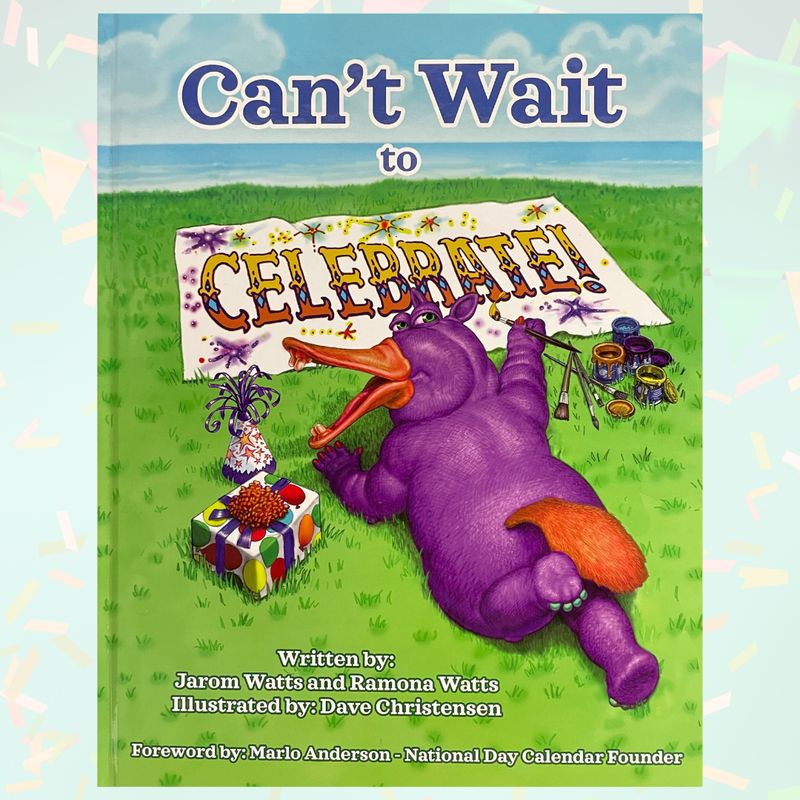 "Can't Wait to Celebrate" children's bookA picture book for little celebrators.
Never miss a reason to celebrate.
One quick morning email with today's celebrations, ideas and posters. Free, unsubscribe anytime.
🎉 You're on the list! Watch your inbox for The Daily Confetti.