
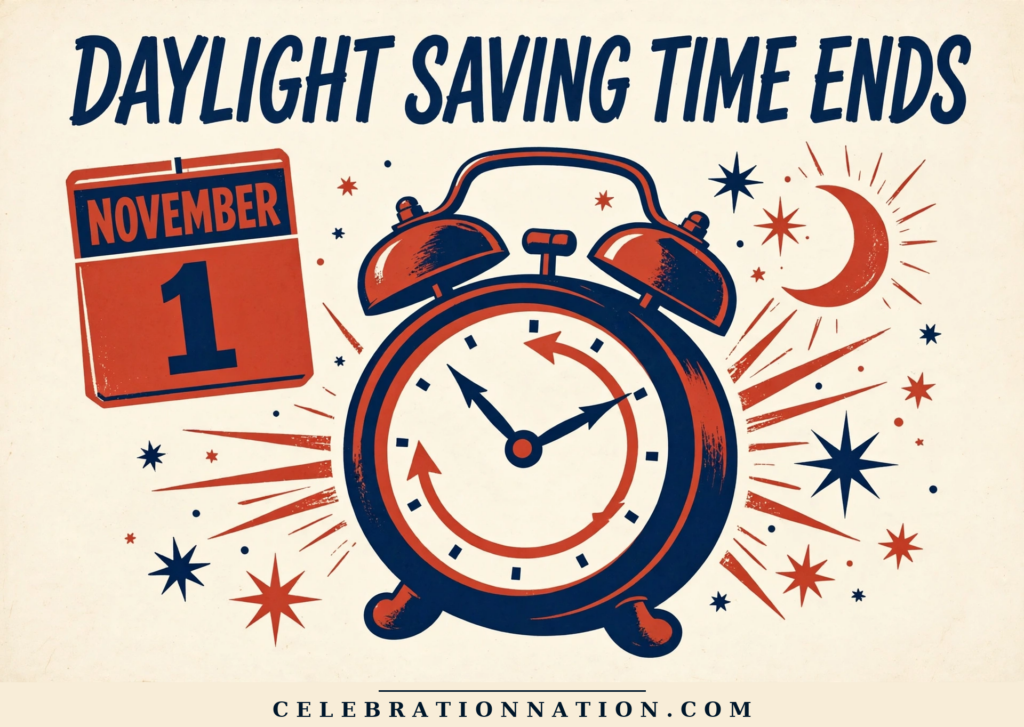
Daylight Saving Time Ends
As the days grow shorter, let's embrace the beauty of autumn with a warm cup of cider and moments of reflection.
- Roots
- First proposed by George Hudson in 1895
- Vibe
- A time for cozy gatherings and reflection
- Also on Nov 1
- Cinnamon Day · Cook for Your Pets Day · Deep Fried Clams Day
- Hashtag
- #DaylightSavingTimeEnds
3 ways to celebrate
Enjoy the extra hour
Use the gift of time for rest or a hobby.
Host a cozy morning
Meet for breakfast and enjoy the slower start.
Reset all clocks
Help update the clocks around the office or classroom.
Fast facts
The story
Daylight Saving Time ends on the first Sunday in November, as clocks revert to standard time at 2:00 a.m. This transition not only gives us an extra hour of sleep but also marks a shift in our daily routines. As the seasons change, many people find comfort in the familiar rituals that accompany this time of year.
Read the full story
Originating in the early 20th century, Daylight Saving Time was implemented to make better use of daylight during the longer days of summer. Benjamin Franklin famously joked about the idea in 1784, but it was World War I that first prompted its widespread adoption. Today, many countries, including the United States, continue to adjust their clocks twice a year.
As we approach this time change, it’s essential to consider how it impacts our daily lives. Some studies suggest that the end of Daylight Saving Time can affect mood and energy levels. Additionally, the darker evenings create opportunities for cozy indoor activities and gatherings with loved ones.
With the return to standard time, communities often embrace the season's spirit through various celebrations. Whether it's enjoying seasonal foods, participating in local events, or simply savoring the beauty of falling leaves, this time of year invites us to slow down and appreciate the warmth of our connections and the world around us.
Did you know?
Historical Roots
Daylight Saving Time was first implemented in Germany during World War I to conserve energy.
Health Impact
Some studies suggest the time change can affect mood and energy levels.
Global Variations
Not all countries observe Daylight Saving Time, leading to confusion in international scheduling.
Energy Conservation
The primary goal of Daylight Saving Time is to reduce energy consumption, though its effectiveness is debated.
Cultural Practices
The end of Daylight Saving Time gives many people an extra hour of sleep.
Technological Advances
Modern technology, such as smart devices, automatically adjusts for Daylight Saving Time.
Debate Continues
There is an ongoing debate about whether to keep or abolish Daylight Saving Time altogether.
Around the world
Every culture celebrates a little differently.
- USUnited StatesMost states observe Daylight Saving Time, with Arizona and Hawaii as notable exceptions.
- CACanadaMost provinces observe Daylight Saving Time, with some exceptions in Saskatchewan.
- GBUnited KingdomThe UK observes Daylight Saving Time from March to October, reverting in late October.
- AUAustraliaSeveral Australian states observe Daylight Saving Time, though it varies widely across the country.
- DEGermanyGermany was one of the first countries to adopt Daylight Saving Time during World War I.
- FRFranceFrance also observes Daylight Saving Time, aligning closely with European Union regulations.
Keep the party going
See the calendar



Celebrate every day, all year
Official gear from the people who track 1,700+ celebrations.
Browse the shop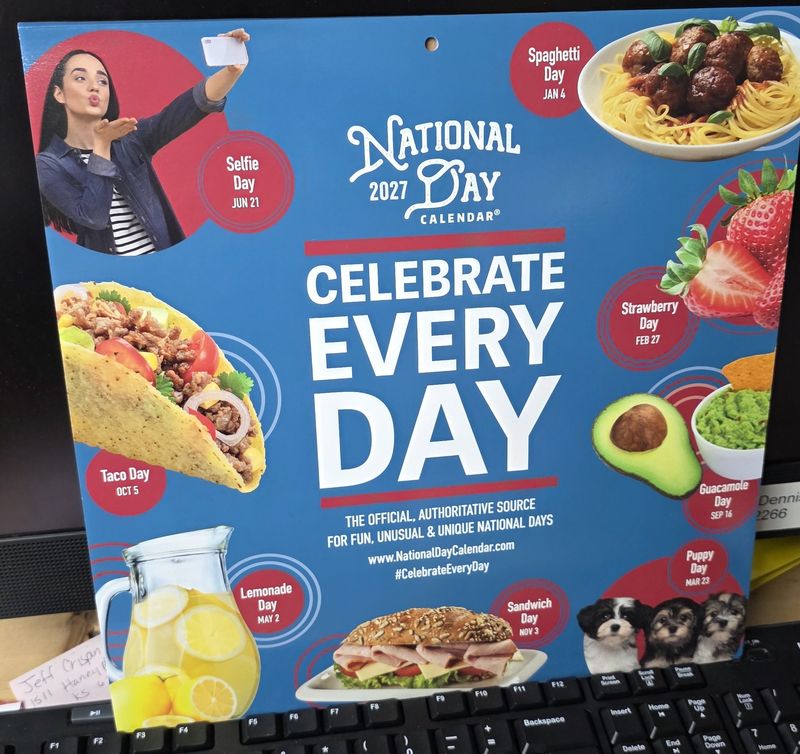 2027 Wall + Desk Calendar BundleCelebrate every day at home and at work.Shop now
Never miss a reason to celebrate.
One quick morning email with today's celebrations, ideas and posters. Free, unsubscribe anytime.
🎉 You're on the list! Watch your inbox for The Daily Confetti.